Линия — самая красивая вещь в рисовании
— Сол Стейнберг
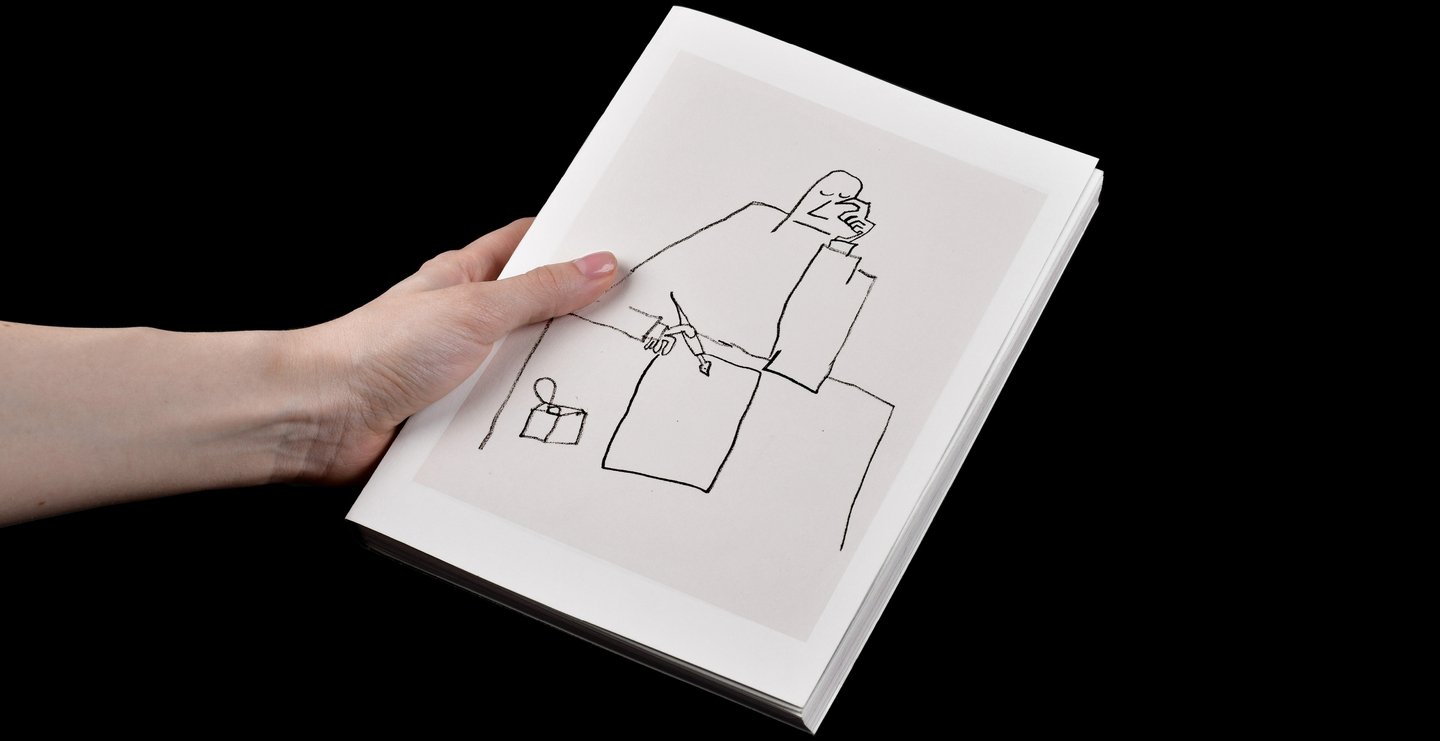
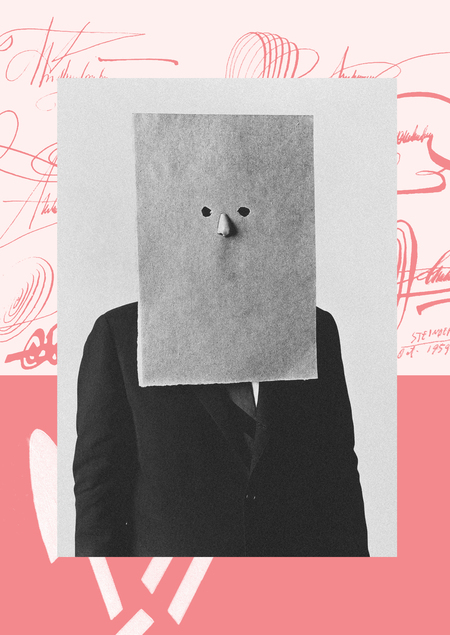
Издание раскрывает личность Сола Стейнберга одновременно и как устоявшегося художника-графика в главном американском журнале The New Yorker, и как человека, находящегося в постоянных жизненных и творческих поисках
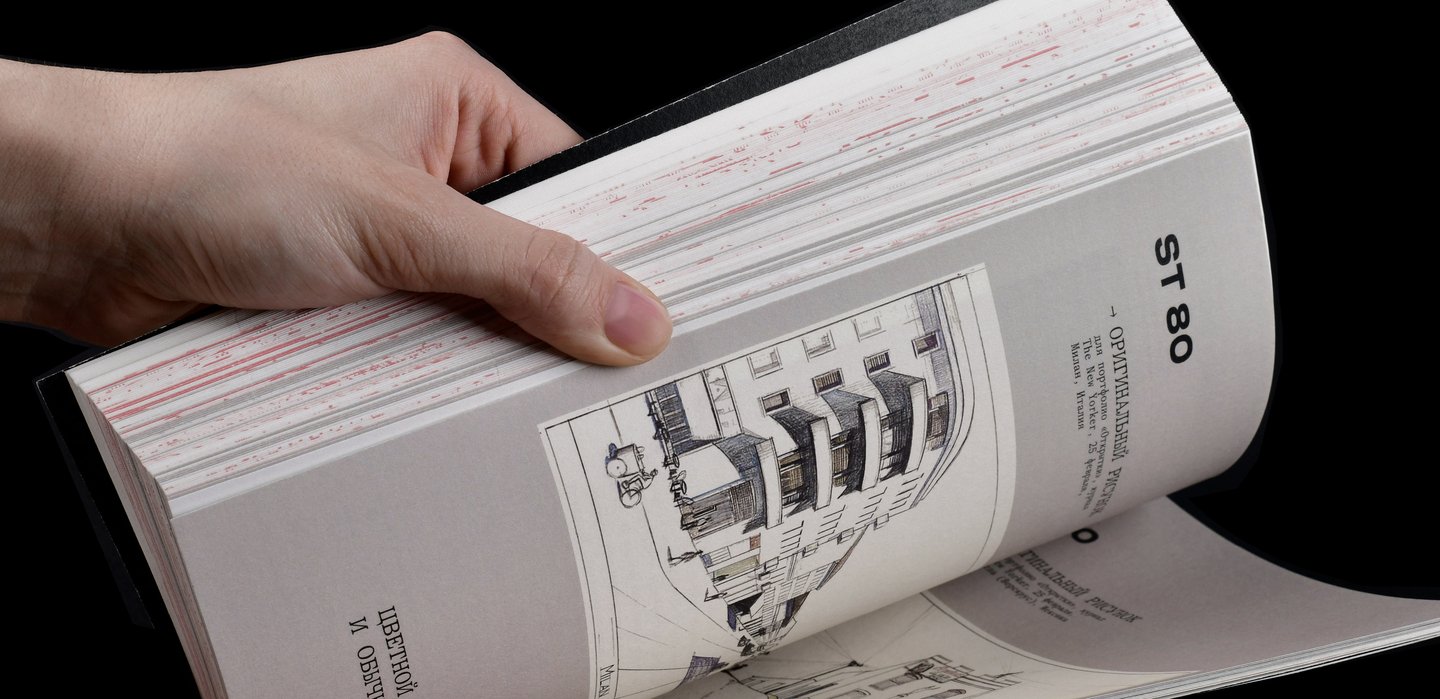
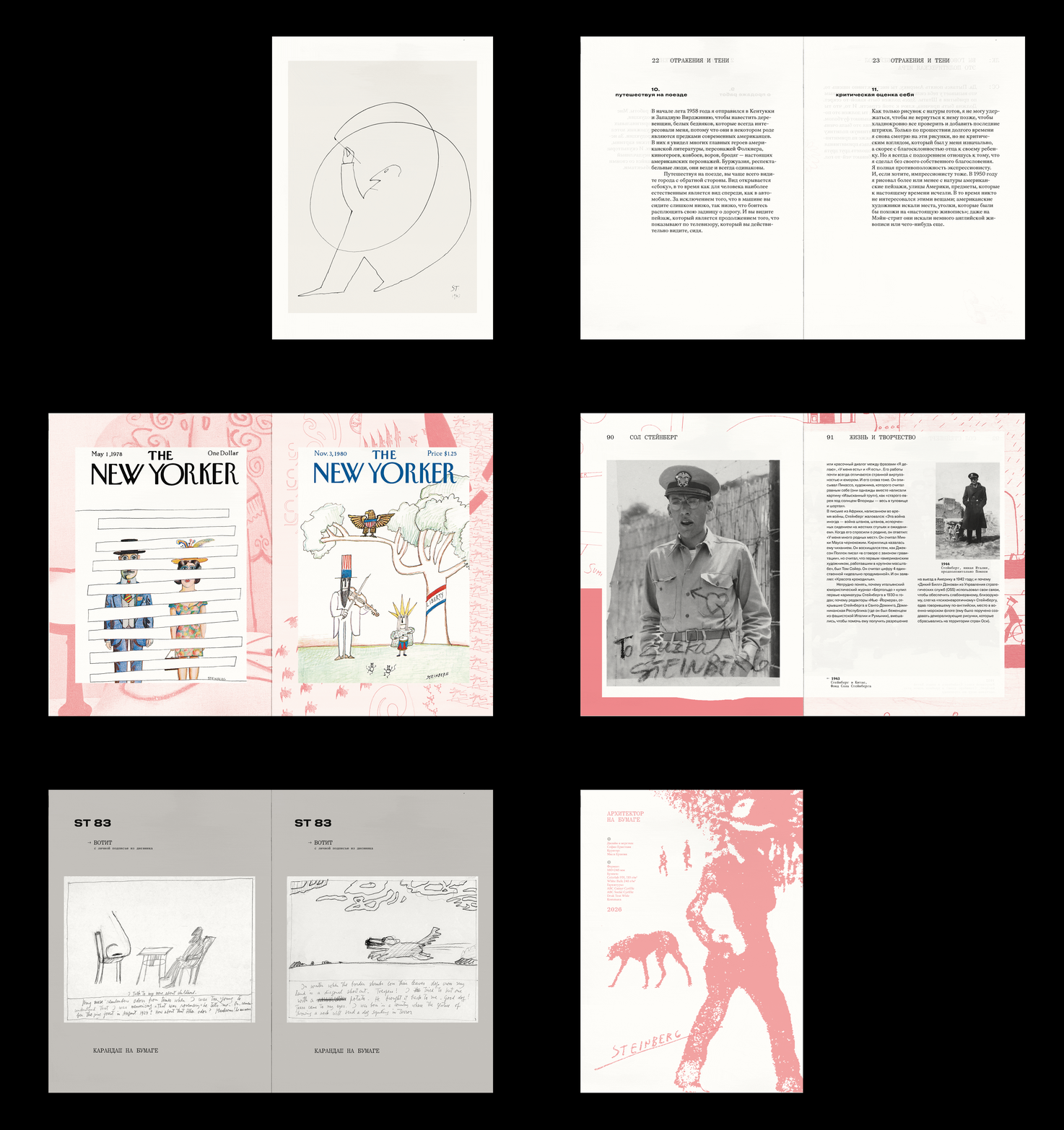
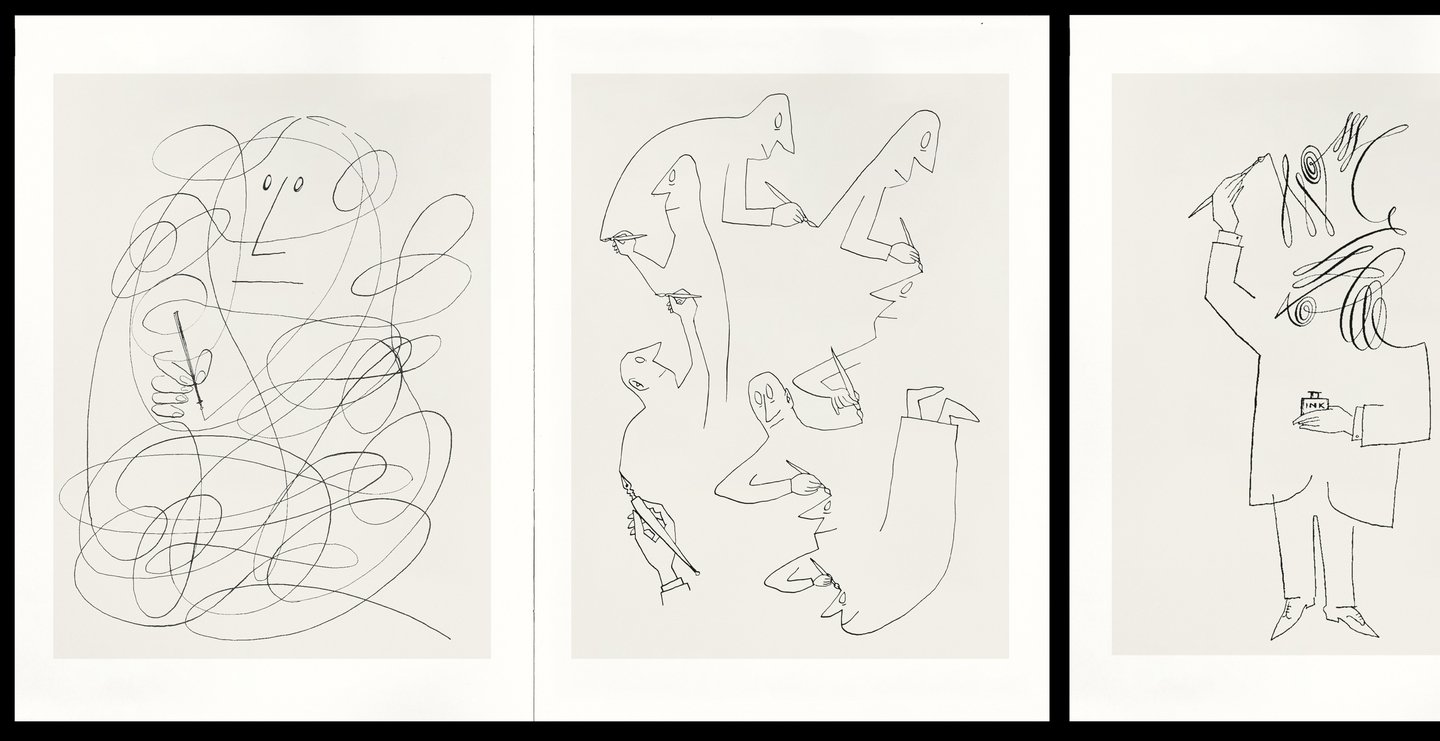
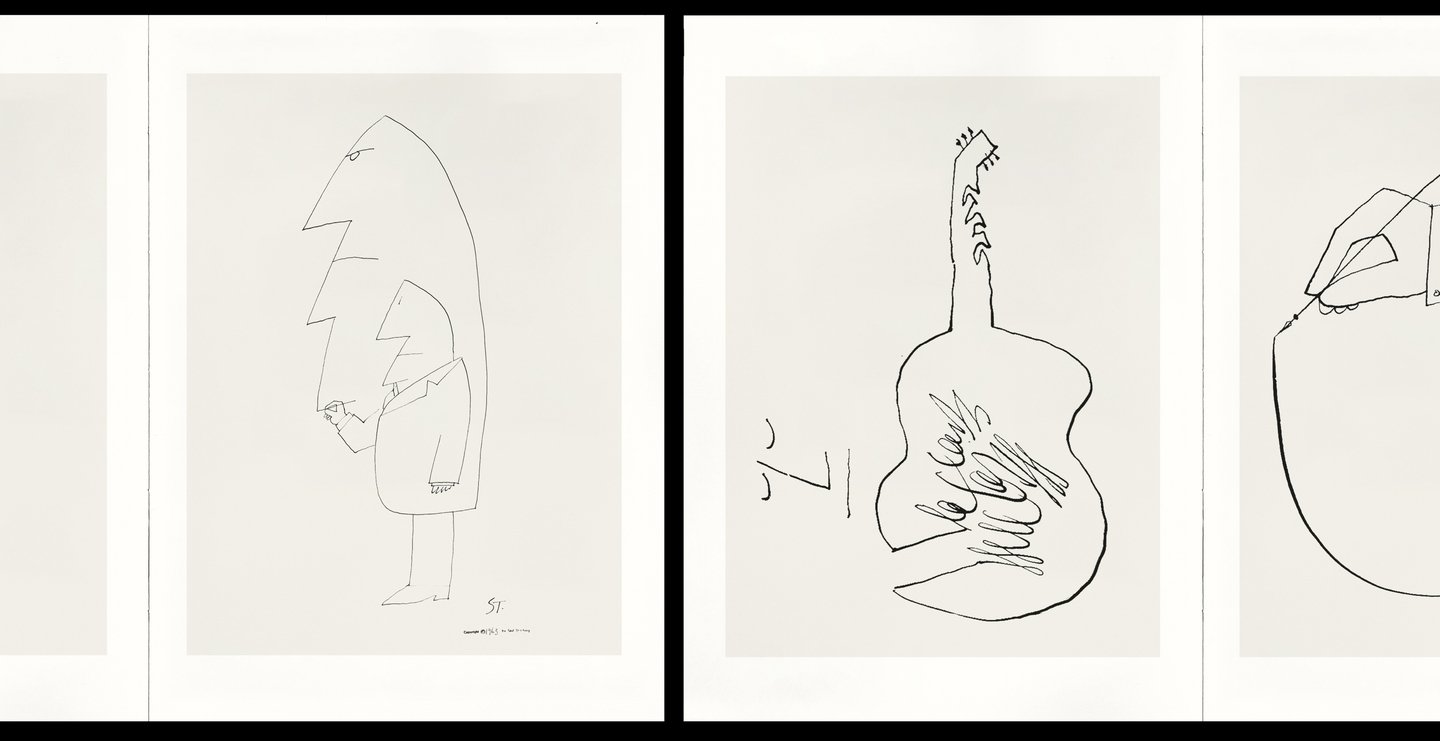
По смыслу книга делится на 4 условные части в зависимости от способа повествования: монолог, диалог, каталог и полилог. В издании нарочно отсутствует содержание — сам материал постепенно раскрывает личность художника, а визуальное повествование начинается уже с обложки
(1) Монолог
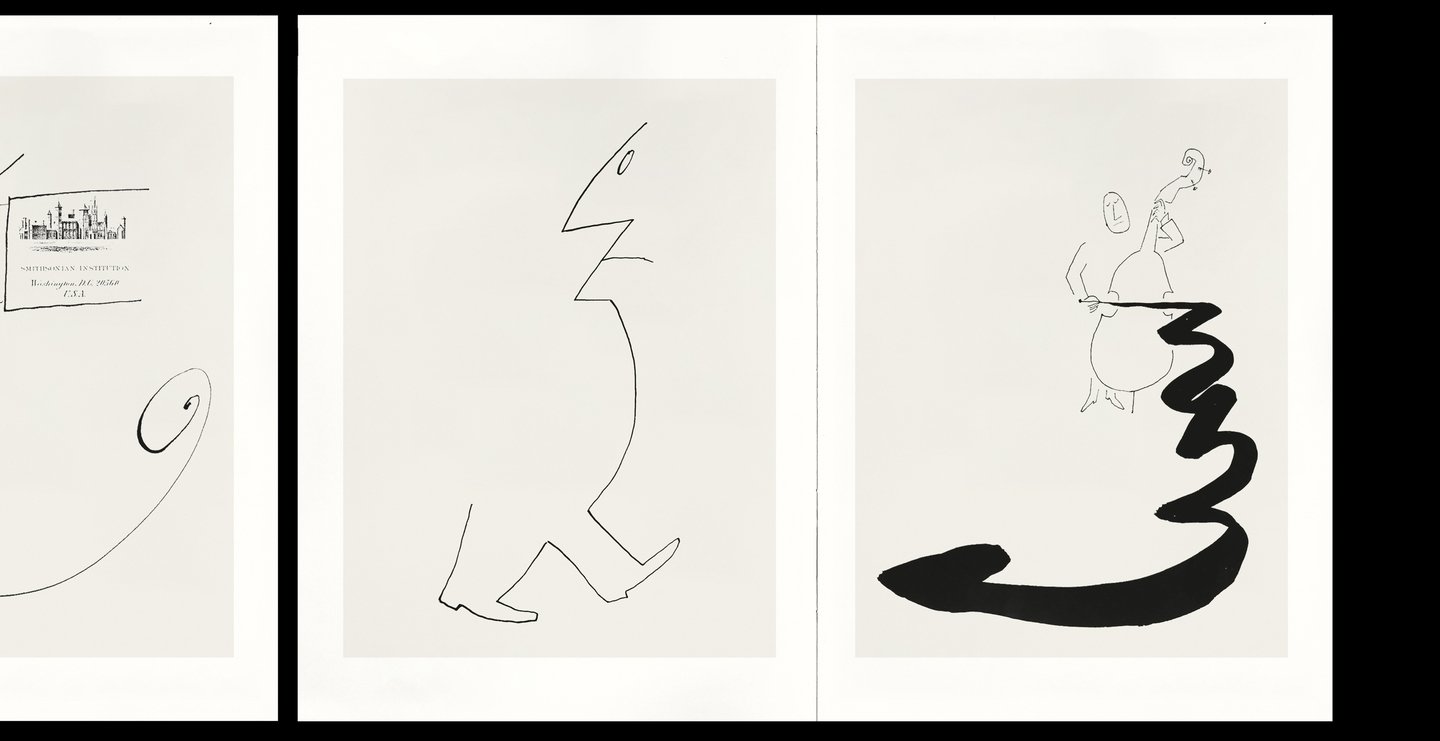
Книга начинается с линейной графики и личных заметок Стейнберга о жизни и искусстве: это первый уровень знакомства с художником — через его мысли и автопортреты
(2) Диалог
Следующий тип повествования — диалог. В этой части встречается интервью-рассуждение о графике, спорте и архитектуре в Америке
В части с диалогом вопрос интервьюера превращается в колонтитул и занимает его место
(3) Каталог
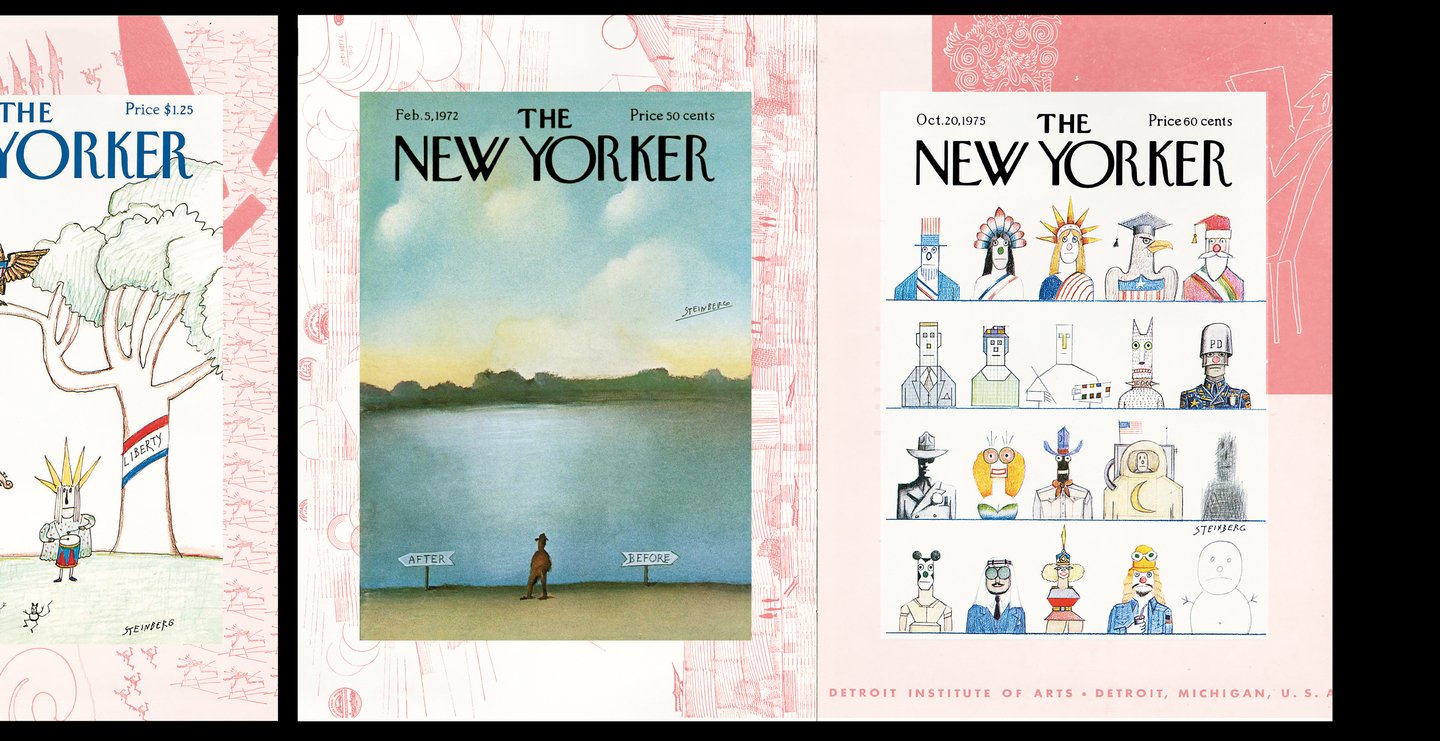
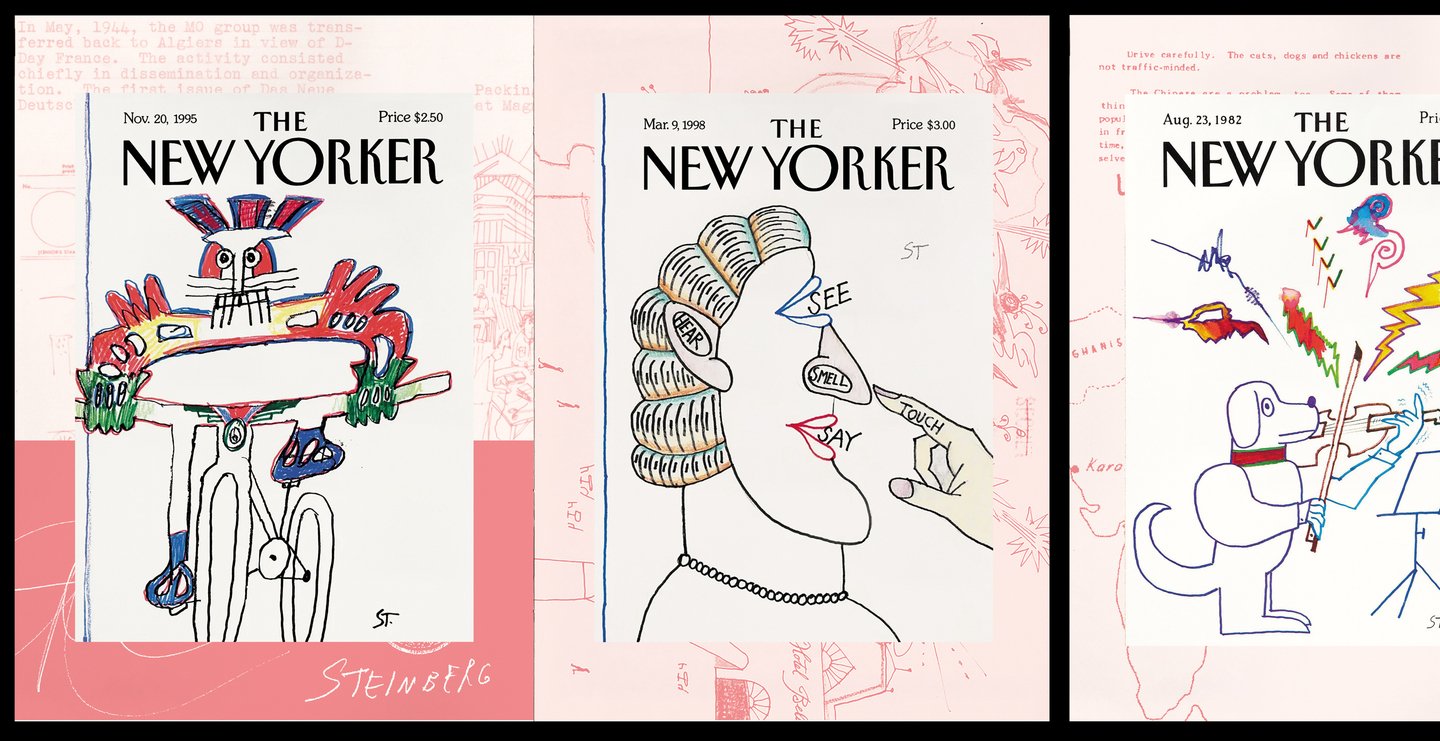
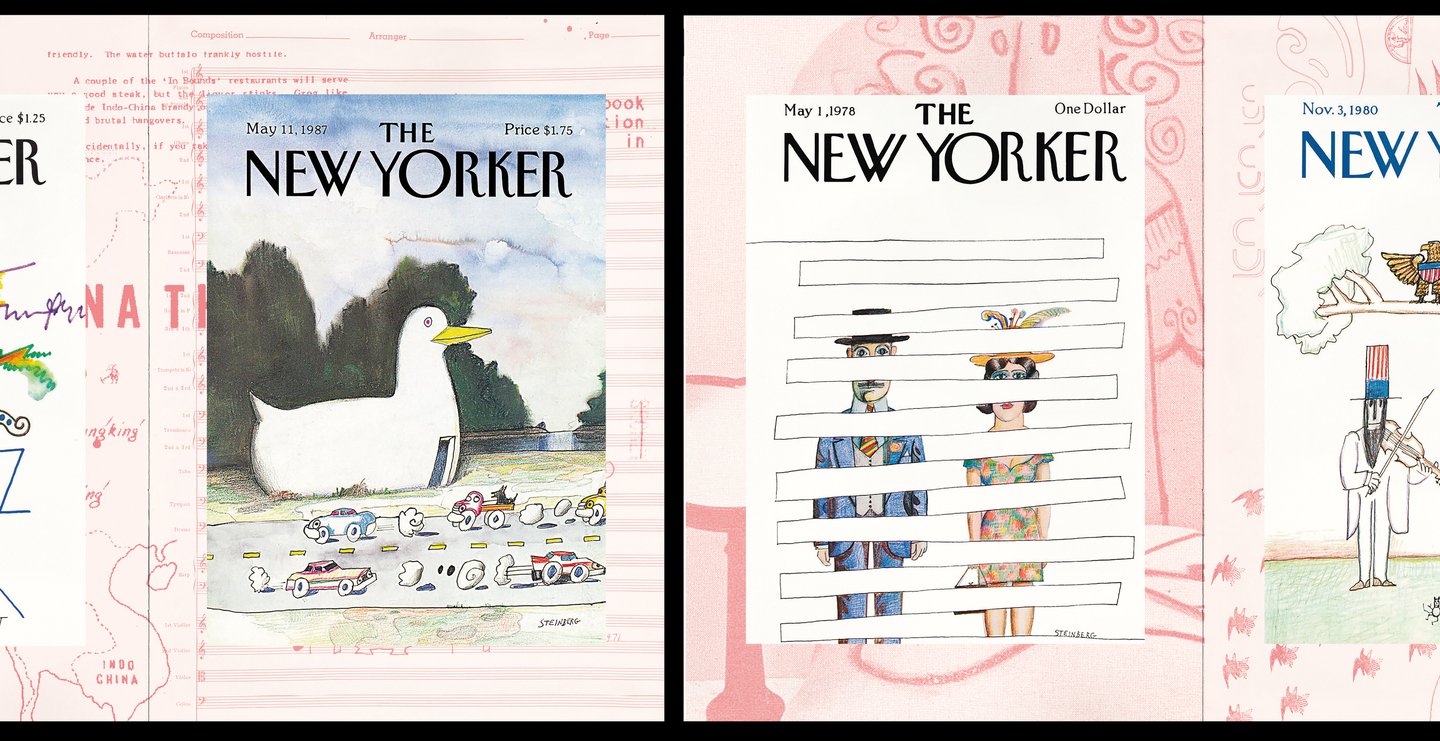
Вся часть состоит из обложек журнала The New Yorker, проиллюстрированных Стейнбергом в пик его коммерческой графики. На фоне — коллажи, собранные из его эскизов и набросков тех же периодов, что и сами обложки
(4) Полилог
Рассказ о Стейнберге «голосами многих»: вырезки из биографической статьи с его цитатами о себе, воспоминаниями друзей и фрагментами интервью
Коллажи на фоне появляются, если в тексте говорится о смене художественного жеста или техники в творчестве Стейнберга