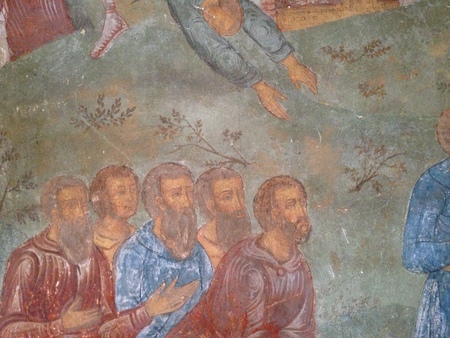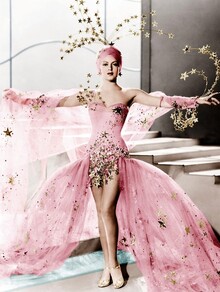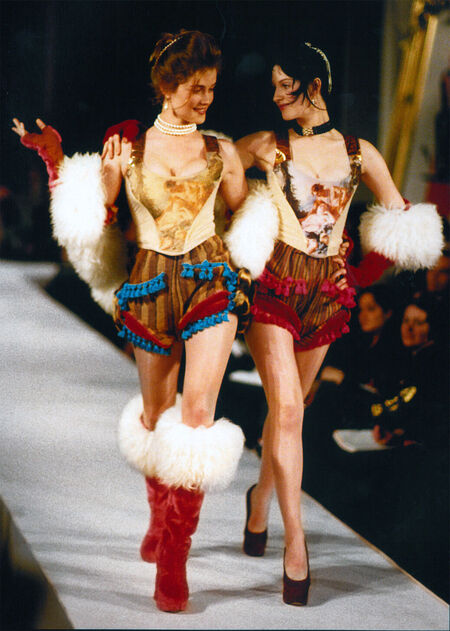
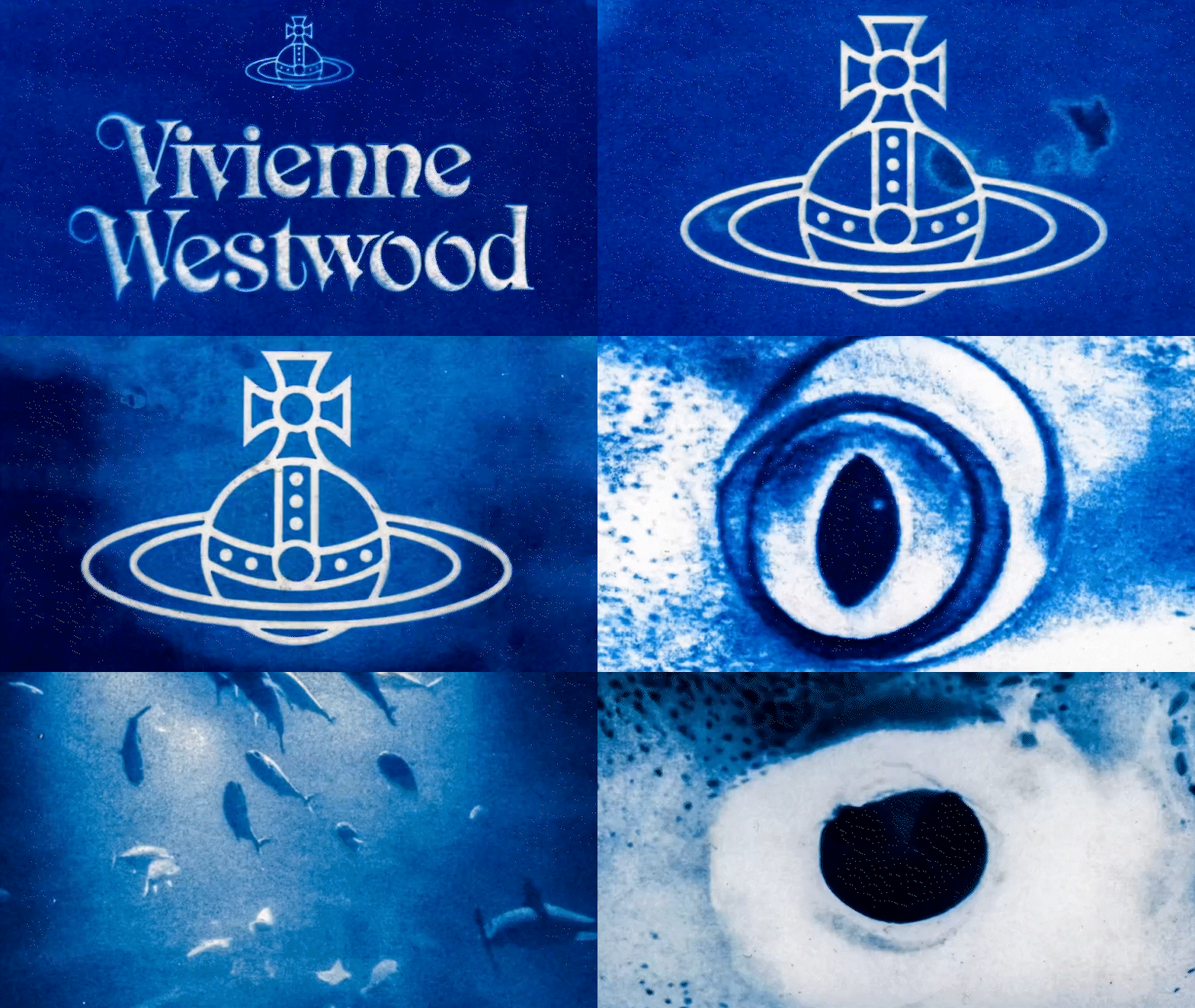
TikTok, @eddcarr, 2025
Vivienne Westwood is a British fashion brand founded by designer Vivienne Westwood in London in 1971.
The brand is considered one of the most influential names in modern fashion history due to its close association with punk culture, avant-garde design, and the critique of social norms. Vivienne Westwood played a key role in transforming punk aesthetics from a street movement into a global cultural phenomenon.
The first Vivienne Westwood boutique, called «Let It Rock», opened in London in 1971 and initially focused on rock-and-roll-inspired clothing. The store was later renamed several times, becoming a platform through which Westwood and her partner Malcolm McLaren, former manager of the Sex Pistols, promoted punk fashion and culture. This period shaped Westwood’s future creative direction and established her reputation as an avant-garde designer.
Today, the brand specializes in clothing, footwear, accessories, jewelry, and fragrances. Vivienne Westwood is known for its unconventional tailoring, historical references, provocative silhouettes, and the iconic Orb logo, which symbolizes the fusion of tradition and the future.

«The Orb», Vivienne Westwood official website, Ben Westwood, 2013
Vivienne Westwood communicates with its audience not only through fashion but also through cultural meaning. The brand cultivates an image of intellectual rebellion by combining elements of British history, punk culture, and contemporary social criticism. Unlike many luxury brands that emphasize status and wealth, Vivienne Westwood offers consumers a sense of belonging to a community of independent thinkers who share similar values.
Limited collections and a distinctive visual identity create a form of cultural capital, where customers acquire not simply clothing, but a symbol of a particular worldview. As a result, the brand occupies a unique position between high fashion, subculture, and social activism, attracting consumers who use fashion as a tool for expressing their identity and personal beliefs.
The vintage corsets, Vivienne Westwood official website, Westwood Heritage: Corsets, 2023
Key Positioning
Vivienne Westwood’s positioning is built around the idea of fashion as a form of cultural and social expression. Since its foundation, the brand has consistently challenged not only mainstream fashion but also the traditional understanding of luxury as a display of status and wealth. Instead, Vivienne Westwood promotes the concept of intellectual luxury, where the value of a garment is defined by its historical, cultural, and ideological significance.
The brand combines elements of British cultural heritage, historical costume, and punk aesthetics to create a visual language based on the collision of opposites. Eighteenth-century corsets coexist with deconstructed silhouettes, while symbols of monarchy are reinterpreted through the lens of protest. As a result, Vivienne Westwood’s designs become more than fashion products; they serve as commentaries on power, tradition, identity, and social norms.
Unlike many luxury brands that build communication around exclusivity and prestige, Vivienne Westwood establishes an emotional connection with its audience through shared values and worldview. The brand’s communication emphasizes independent thinking, cultural awareness, and a critical attitude toward imposed social standards. Consumers are positioned not merely as trend followers but as active participants in a broader cultural dialogue.
AME VIVIENNE WESTWOOD (center) with models on the catwalk following the Vivienne Westwood Red Label Autumn/Winter 2015
Social and environmental activism is also a central part of the brand’s positioning. For many years, Vivienne Westwood used her brand as a platform to raise awareness about climate change, overconsumption, and the problems of the modern fashion industry. In doing so, the brand promotes conscious consumption and presents an alternative to the culture of fast fashion and constantly changing trends.
As a result, Vivienne Westwood occupies a unique position within the luxury fashion market. The brand is perceived not only as a fashion house but also as a cultural institution that brings together high fashion, art, historical heritage, and social criticism. This is why its products appeal to consumers who use fashion not merely to display status, but to express their identity, values, and perspective on the world.
Green is the New Black: The rise of sustainable fashion, Remix Magazine, 2019 // Vivienne Westwood, London. GETTY IMAGES, 2018
Target Audience
The research uses ABCDX segmentation, a method of dividing audiences according to their level of demand for a product, purchase readiness, and consumer behavior patterns.
• A Segment — Fashion Connoisseurs. Consumers aged 20–40 who actively follow global fashion, collect designer pieces, and are interested in fashion history. They view Vivienne Westwood not simply as a luxury brand but as an important cultural phenomenon. For this audience, originality, craftsmanship, exclusivity, and brand heritage are particularly valuable.
• B Segment — Creative Community. Designers, artists, musicians, fashion students, and other professionals working in creative industries. They are attracted by the brand’s rebellious philosophy, unconventional aesthetics, and social commentary. For them, Vivienne Westwood functions as a tool for self-expression and a reflection of personal values and creative identity.
•C Segment — Pop Culture Followers. A younger audience that discovers the brand through social media, celebrities, music culture, and fashion-related media. Many consumers in this segment are introduced to Vivienne Westwood through popular cultural products such as the manga and anime Nana, where the brand became closely associated with the character Nana Osaki. For these consumers, Vivienne Westwood represents individuality, alternative fashion, and cultural authenticity.
• D Segment — Aspirational Consumers. Consumers who admire the brand’s aesthetics and values but are limited by its premium pricing. They often engage with the brand through jewelry, fragrances, second-hand pieces, or discounted collections. Although their purchasing power is lower, they contribute to the brand’s visibility and cultural influence.
• X Segment — Loyal Brand Community. The most dedicated consumers who perceive Vivienne Westwood as more than a fashion label. They follow new collections, collect archival pieces, and strongly identify with the brand’s philosophy. This audience is especially attracted to the intersection of fashion, art, activism, and cultural criticism that defines the Vivienne Westwood identity. For them, purchasing the brand is not simply a consumer decision but a reflection of personal beliefs and cultural belonging.
Vivienne Westwood client representatives: TikTok, @metiamorphosis, 2026 // TikTok, @tachio, 2025 // TikTok, @yasuwafound, 2026
PR strategies
Vivienne Westwood uses several communication channels: the official website, online store, newsletter, owned media sections such as collections, sustainability and activism, as well as social media platforms. The brand’s official website lists Instagram, TikTok, Facebook, Pinterest, X, LinkedIn, YouTube, Little Red Book, Weibo and WeChat. The brand works with both Western and Asian markets, adapting its communication to different platforms.
The main PR strategy of Vivienne Westwood is the combination of fashion and activism. The brand builds its public image around punk culture, protest, independence, environmental awareness and criticism of consumerism. Vivienne Westwood is connected with several organizations and charitable initiatives, such as Climate Revolution, Cool Earth, Greenpeace and Humane Society International. This works as framing: the brand creates a context in which it is perceived not only as a luxury product, but also as a cultural and political statement.
The brand also actively uses fashion shows, collaborations and celebrity PR as media events. The website has a separate section with current and archived shows, collections and lookbooks, so fashion shows work as regular newsworthy events and help maintain public interest in the brand.
Monica Bellucci in VW Couture, Cannes Film Festival, 2017. Lady Gaga in a VW Made-to-Order gown, 67th Annual Grammy Awards, 2025. 3. Anne Hathaway in the VW Moon Pencil Dress, The Tonight Show, 2014.
For example, the Vivienne Westwood x Palace collaboration in 2024 combined Westwood’s luxury heritage with London streetwear culture, expanding the brand’s audience. Another example is red carpet PR: Vogue notes that Vivienne Westwood often appears on celebrities, including Anne Hathaway, Lady Gaga and Zendaya. In this way, the brand maintains its cultural relevance and gains earned media — attention from the press and the audience without direct advertising.
In addition, Zendaya wore an ivory Vivienne Westwood gown to the 2015 Oscars and rewore the same dress in 2026 at the Los Angeles premiere of The Drama. This shows how the brand gains long-term cultural visibility through celebrity red carpet appearances and archival fashion moments.


1. Zendaya in an ivory Vivienne Westwood gown, 87th Annual Academy Awards, 2015. 2. Zendaya rewearing the ivory Vivienne Westwood gown, The Drama Los Angeles premiere, 2026.
Dialogic Theory
Dialogic Theory can be applied to Vivienne Westwood because the brand builds its communication as a dialogue with the audience about fashion, culture, ecology, protest, and conscious consumption. According to the principle of mutuality, the audience is perceived not only as buyers, but as a community of people who share the brand’s values and its distinctive visual language.

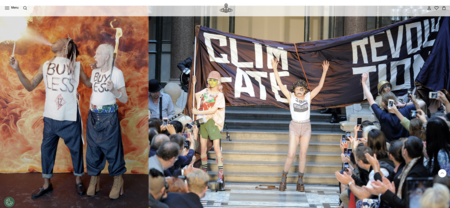
Activism tab on the official website
The principle of propinquity is reflected in the way Vivienne Westwood stays close to current cultural issues, such as ecology, over-consumption, identity, and self-expression.
Greenpeace Save The Arctic campaign at London Waterloo Underground Station, 2015
However, there is a contradiction: historically, the brand has been associated with punk and rebellion, but today its communication has become more aesthetic and luxury-oriented. More attention is often given to wearable products, such as bags, jewellery, and accessories with the Orb logo.
TikTok Ads for New Collections, 2025-2026
The principle of empathy is expressed through topics that are close to the audience: independence, protest, individuality, and environmental responsibility. Risk is connected with the fact that part of the audience may criticize the brand for moving away from its radical punk image toward a more commercial luxury aesthetic.


Stories in support of #ClimateStrike on Instagram*, 2019