

Aviasales logo
1. Introduction
Aviasales is the largest Russian metasearch service for finding and comparing airline tickets, as well as other travel-related services. The brand was established in 2007 as a project by Konstantin Kalinov and has since grown into one of the most recognizable players in the online travel market. Unlike airlines, which traditionally build their communication around reliability, safety, and a formal tone, Aviasales positions itself as a simple, accessible, and «human» assistant in travel planning. The online airline ticket market is highly competitive. Users can purchase tickets directly from airlines or use one of many aggregators available on the market. However, airline websites are often perceived as complicated and overly formal, while many aggregators are associated with a lack of transparency and reliability. Against this background, Aviasales occupies an intermediate position: the brand offers the convenience of an aggregator while maintaining a sense of trustworthiness and service quality. As a result, the company successfully differentiates itself from competitors not only through functional advantages but also through emotional appeal. A key feature of the brand is its communication identity. Aviasales uses an informal tone of voice and actively incorporates humor, self-irony, and cultural memes into its communication. Several brand archetypes can be identified within its communication strategy: the Everyman, the Jester, and, to some extent, the Explorer. The Everyman archetype is reflected in the brand’s desire to be «one of us», to understand the audience’s problems, and to help solve them. The Jester archetype is expressed through absurd humor, bold advertising campaigns, and unconventional creative solutions. The Explorer archetype reflects the romance of travel, the pursuit of new experiences, and the desire for discovery.
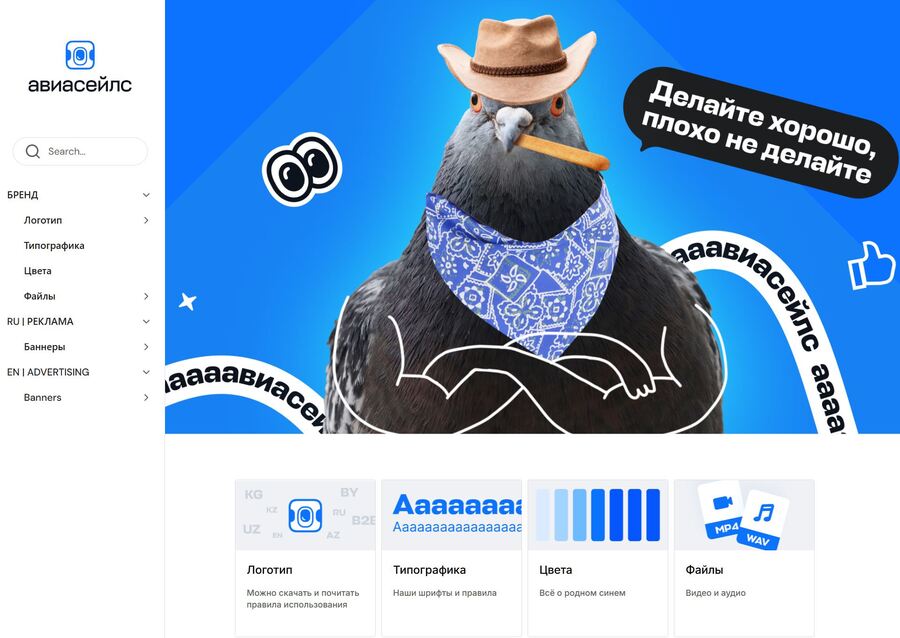
Giude Aviasales webpage
The brand’s visual and communication strategy is built around the idea of closeness to the user. Instead of relying on traditional advertising language, the company uses everyday speech, internet culture, and situations familiar to most travelers. This approach allows Aviasales to create the impression that the brand is «on the same side» as its audience, understands their needs, and shares their experiences. When discussing Aviasales’ target audience, it is important to note that the company itself positions the service as a product «for everyone.» However, its core audience can be described as active internet users interested in travel, finding good deals, and using digital services. This audience includes students, young professionals, families, and experienced travelers. Thus, Aviasales serves as an example of a modern digital brand that competes not only through the functional advantages of its product but also through a strong communication strategy. Its informal style of communication, consistent brand identity, and focus on emotional closeness with the audience enable the company to maintain a strong market position and achieve a high level of brand recognition among users.
2. Communication Channels
Aviasales’ communication strategy is built on the principle of maintaining a presence across all digital spaces where its potential audience consumes content. The brand actively utilizes social media platforms, video-sharing services, influencer collaborations, and special advertising projects, thereby creating a comprehensive media ecosystem around itself. At the same time, the company does not simply replicate identical content across different platforms but adapts it to the specific characteristics of each channel and the expectations of its users.
Aviasales Tiktok posts
Telegram* and Telegram Bot* Telegram* is one of the brand’s key communication platforms. Here, Aviasales publishes information about attractive travel deals, travel tips and hacks, aviation industry news, and entertainment content. The channel combines practical value with the brand’s signature sense of humor, allowing it to be perceived not only as a marketing tool but also as an independent travel media outlet. In addition to its main Telegram* channel, the brand uses Telegram bot* as a service communication tool. Users can receive fare alerts, monitor price changes for specific routes, and interact directly with the service. This enables the company to combine marketing communication with functional customer support.
YouTube* and Shorts* On YouTube*, the brand publishes advertising campaigns, special projects, and short-form video content. Many Aviasales campaigns achieve viral success due to their unconventional humor and rejection of traditional advertising logic. Video content is also actively distributed through the Shorts* format. One of the primary goals of these videos is not the direct sale of airline tickets but rather increasing brand awareness and establishing an emotional connection with the audience.
Instagram*, Reels*, and TikTok* Before platform restrictions were introduced, Instagram* was one of the brand’s key communication channels and remains an important element of the company’s communication ecosystem. Today, a significant share of Aviasales’ content activity is concentrated on TikTok*. The content is built around everyday travel-related problems and is presented through humor, self-irony, and relatable life situations familiar to travelers.
X* (Twitter*) The X* platform is used for the brand’s most informal and unrestricted communication. According to company materials and studies of its social media strategy, Aviasales allows itself its sharpest humor, situational jokes, and the most active interaction with users on this platform. This communication style strengthens the brand’s image as a relatable and approachable companion for its audience.
Aviasales Tiktok posts
Brand PR Strategies
1. Audience Proximity Strategy The main communication principle of Aviasales is to speak the same language as its users. The brand avoids formal corporate rhetoric and instead employs conversational language, internet memes, and familiar everyday situations. As a result, the company creates the image of a friend and helper rather than an impersonal ticket-booking service.
2. Humor as a Branding Tool Humor is a central element of the company’s communication strategy. Aviasales regularly employs absurd narratives, self-irony, and unexpected advertising solutions. Examples include the «Don’t Look for Meaning» campaign, viral social media videos, and numerous memes. This approach helps the brand stand out from competitors and increases its memorability.
3. Influencer Marketing Aviasales actively collaborates with bloggers, comedians, and entertainment content creators. One of the most notable cases was its advertising integration with comedian Danila Poperechny*, which attracted significant public attention due to its unconventional format—the comedian had an advertisement tattooed directly onto his skin. Such projects help the brand maintain its image as a bold and unconventional market player.
4. Viral Marketing The company regularly creates content designed for organic user-driven distribution. Memes, short videos, situational humor, and absurd advertising concepts encourage users to share brand materials on their own. As a result, the audience becomes an active participant in the communication process and effectively contributes to the dissemination of advertising messages.
5. Real-Time Marketing and Response to Current Events Aviasales actively uses current events and public discussions as a foundation for content creation. At the same time, the brand adapts trending topics to its own communication style while maintaining a balance between relevance and humor. This strategy helps sustain high levels of audience engagement and ensures the brand’s continuous presence within the public information space.
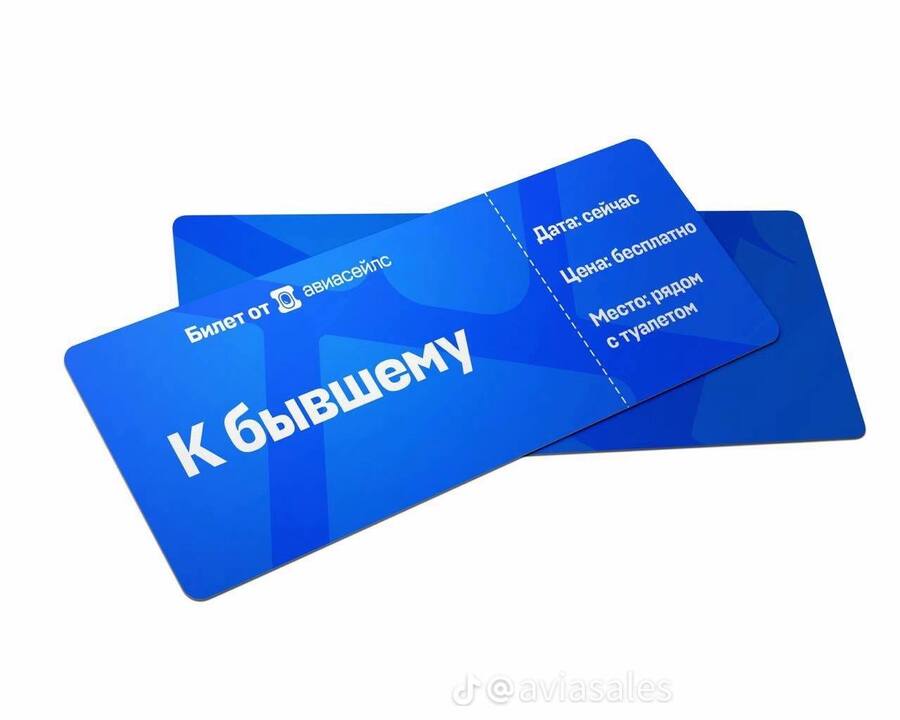

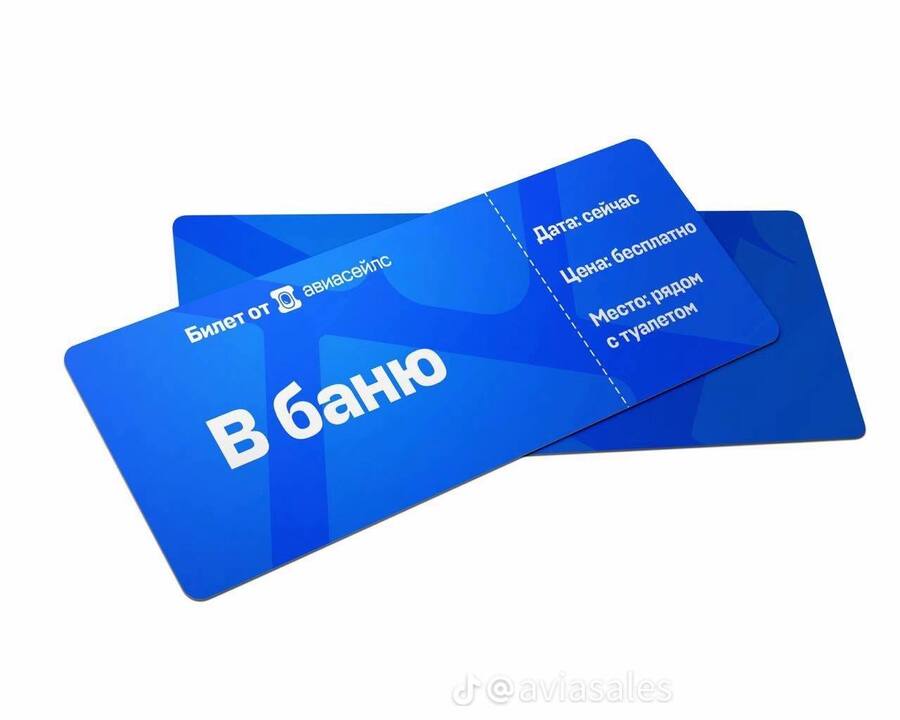
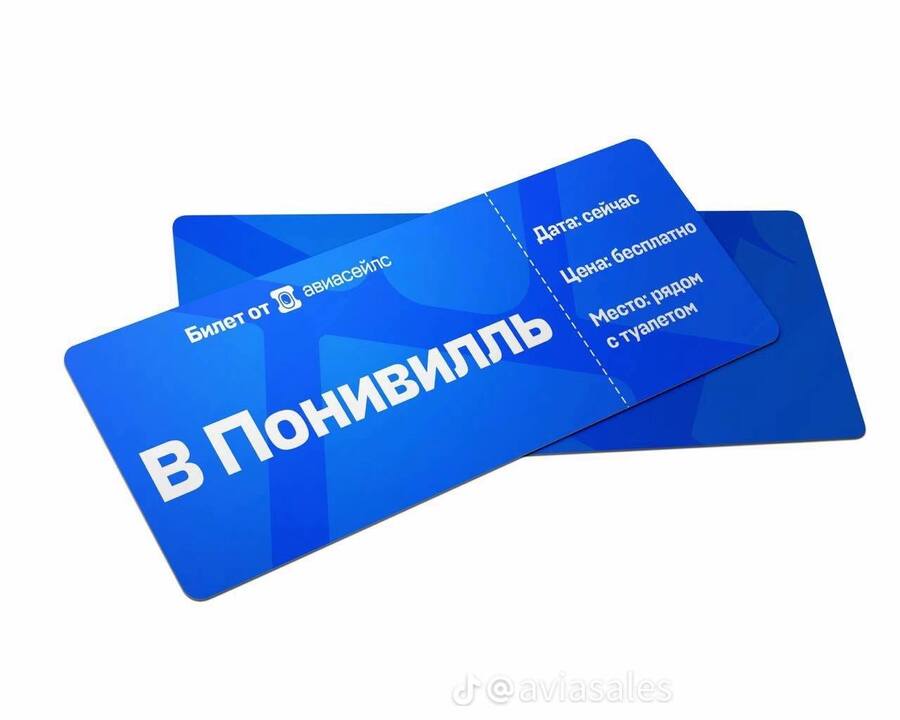
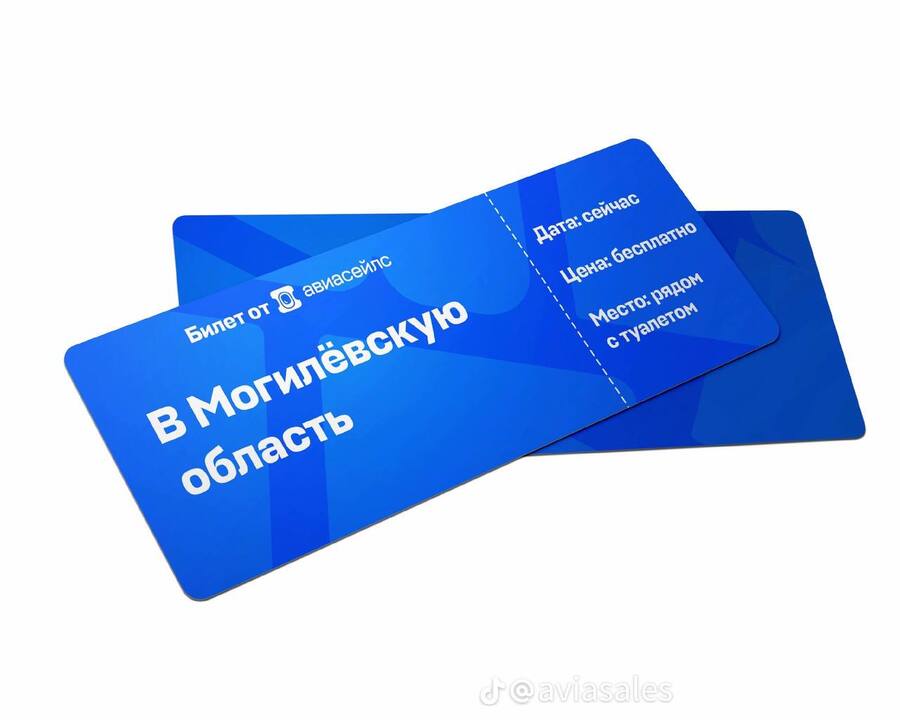
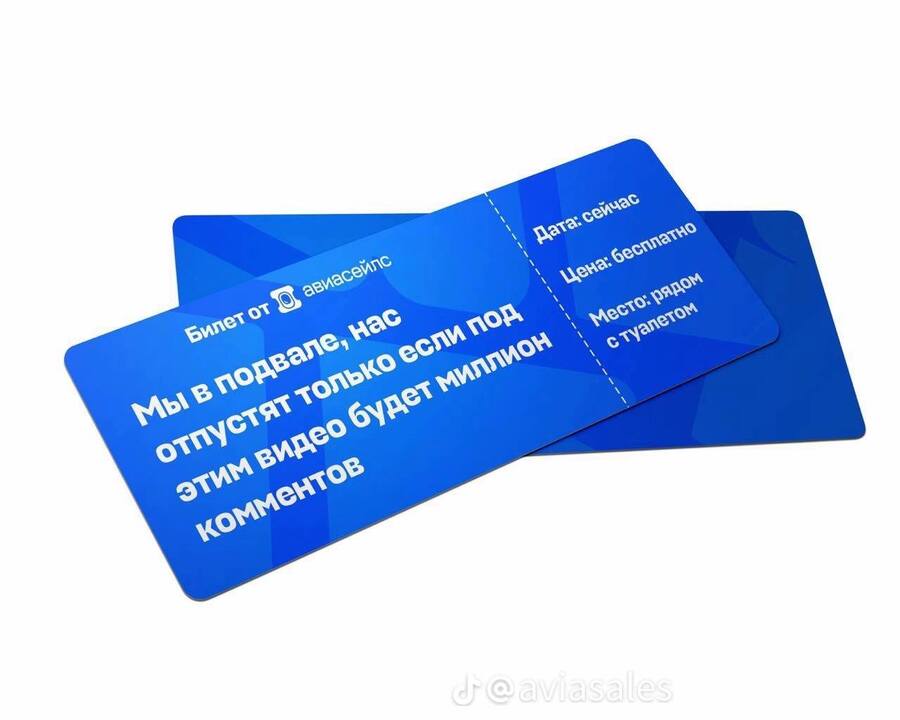
Aviasales Tiktok posts
3. Theoretical Framework
To analyze Aviasales’ communication strategy, this study employs two communication theories: the Elaboration Likelihood Model (ELM), developed by Richard Petty and John Cacioppo, and Social Identity Theory, proposed by Henri Tajfel and John Turner. These theories were selected because of the specific characteristics of the brand’s communication. On the one hand, Aviasales actively uses visual content, advertising, and humor to attract audience attention. On the other hand, it seeks to create a sense of belonging among users by fostering a community of travelers and people with shared experiences. The use of these two theoretical approaches makes it possible to examine both the mechanisms of audience persuasion and the processes of group identity formation surrounding the brand.
Elaboration Likelihood Model (ELM)
The Elaboration Likelihood Model (ELM) was developed in the 1980s to explain how individuals perceive and process persuasive messages. The central concept of the theory is elaboration, which refers to the degree to which a person carefully analyzes the arguments presented in a message and invests cognitive effort in understanding them. According to the theory, persuasion can occur through two distinct routes: the central route and the peripheral route.
Central Route
The central route involves a high level of audience involvement and active cognitive processing of a message. In this case, individuals carefully evaluate the quality of the arguments and compare the information with their existing knowledge and beliefs.
Two conditions are necessary for the central route to operate: — Motivation to process information — the topic must be relevant, interesting, or important to the individual; — Ability to process information — the individual must have sufficient time, knowledge, and freedom from distractions.
When both conditions are met, the audience primarily evaluates the content of the message rather than its presentation.
Peripheral Route
The peripheral route is used when individuals are not interested in deeply analyzing information or do not have the ability to process it carefully. In such cases, decisions are based on so-called peripheral cues — external characteristics of a message that function as cognitive shortcuts.
Examples of peripheral cues include: — Attractive visual design; — Popularity of the information source; — Credibility or authority of the communicator; — Humor; — Music; — Emotional imagery; — Novelty or surprise.
Under peripheral processing, audiences respond less to the quality of the arguments and more to the emotional and visual characteristics of the message.
The theory also distinguishes between three types of arguments: — Strong arguments — generate positive cognitive responses and encourage further reflection; — Neutral arguments — do not provoke a significant reaction; — Weak arguments — lead to negative evaluations of the message and reduce audience interest.
Argument quality is particularly important when the audience processes information through the central route, as individuals carefully evaluate the content of the message.
According to the ELM, the consequences of persuasion depend on the route through which information is processed.
Attitudes formed through the central route tend to be: — More stable over time; — More resistant to counterarguments; — More likely to influence actual behavior.
In contrast, attitudes formed through the peripheral route are generally: — Less stable; — Short-term in nature; — More dependent on context and external factors.
Thus, the Elaboration Likelihood Model provides a useful framework for examining how various communication elements—such as arguments, visual imagery, humor, and emotional stimuli—influence audience perception and the formation of attitudes toward a brand.
Social Identity Theory
Social Identity Theory was developed by social psychologists Henri Tajfel and John Turner in the 1970s. The central idea of the theory is that a significant part of an individual’s self-concept is derived from membership in various social groups. According to this theory, people seek not only to perceive themselves as unique individuals but also to categorize themselves into specific groups based on professional, cultural, age-related, national, or interest-based characteristics. Membership in such groups contributes to self-esteem, a sense of belonging, and social support. Social identity refers to the part of an individual’s self-concept that emerges from awareness of membership in a particular group and the emotional significance attached to that membership. Tajfel and Turner identified three key processes involved in the formation of social identity.
Social Categorization At the first stage, individuals classify both themselves and others according to various social characteristics. This process simplifies the perception of social reality and helps people understand their place within society.
Social Identification After categorizing themselves as members of a particular group, individuals begin to adopt the norms, values, and behavioral patterns associated with that group. Group membership becomes part of their self-definition.
Social Comparison People tend to compare their own group with other groups. In most cases, individuals perceive their own group more positively, which helps maintain positive self-esteem and strengthens their sense of belonging.
Social Identity Theory is widely applied in communication, marketing, and branding research. Many brands seek not only to sell products but also to create communities of users united by shared values, interests, and experiences. Within this framework, a brand becomes a symbol of a particular social group. Consumers begin to view their interaction with the brand as a way of expressing their identity and demonstrating membership in a specific community.
Research suggests that strong identification with a group contributes to: — Increased loyalty; — Greater trust in communication; — Willingness to defend the group against criticism; — More active sharing of messages within the community; — The development of long-term emotional connections.
Social Identity Theory enables researchers to examine how communication shapes collective perceptions, a sense of community, and the symbolic distinction between «us» and «them.» In the context of brand communication, this approach is particularly useful for analyzing how companies build communities around their products and how audiences come to perceive a brand as part of their own social identity.
4. Analysis
Aviasales VK post
ELM
The ELM describes two routes through which audiences process persuasive messages: the central route and the peripheral route. In Aviasales’ communication strategy, the peripheral route clearly dominates. The brand captures audience attention through humor, unexpected imagery, memes, and celebrity collaborations. However, elements designed for central-route processing can also be found in its communication, particularly when practical information, facts, or rational arguments are presented.
Central Route Processing Messages relying on the central route contain direct arguments or information that is useful to the target audience. For example, Aviasales published a Telegram* post beginning with the phrase «Listen to a sad story…», which introduced a real offer through humor: a free business travel management service with 20% cashback. Despite its humorous introduction, the post provided specific information about available services. Although the message employed a lighthearted tone, its primary persuasive element was factual information. Such content appeals to users who are genuinely interested in business travel solutions and are willing to carefully evaluate the benefits offered. In this case, the audience receives a clear proposition—a free service combined with financial advantages—and enough information to make a reasoned decision. Similarly, Aviasales occasionally publishes travel guides, informational articles, and practical recommendations. This type of content is capable of generating thoughtful responses among motivated audiences and therefore corresponds to the central route of information processing.
The main persuasive tools involved include: — Logical arguments; — Factual information; — Numerical data and statistics; — Practical benefits and recommendations.
According to ELM, these communication elements are effective when the audience possesses both the motivation and the ability to process information carefully.
Aviasales Telegram post
Peripheral Route Processing
The majority of Aviasales’ communication relies on peripheral cues, including visual creativity, absurdity, humor, and celebrity endorsements. Rather than persuading through detailed arguments, the brand attracts attention and creates positive associations through emotional and aesthetic stimuli.
«Don’t Look for Meaning» Advertising Campaign One of the most recognizable examples is the «Don’t Look for Meaning» advertising campaign. In these commercials, viewers encounter a sequence of absurd scenes. Throughout the video, a pilot repeatedly states: «Don’t look for meaning here, ” before eventually encouraging viewers to search for cheap flights through Aviasales. From the perspective of ELM, this campaign exemplifies peripheral-route persuasion. The audience’s attention is captured by bizarre imagery, visual aesthetics, and irony rather than by rational arguments. The core message—that Aviasales helps users find affordable flights—is secondary and emerges only after the emotional experience has already taken place. The visual style, often compared to the work of filmmaker Wes Anderson, functions as an aesthetic cue rather than a logical argument.
Emirates Advertisement Parody Another example is Aviasales’ parody of an Emirates commercial. The original Emirates advertisement famously featured a flight attendant standing on top of the Burj Khalifa. In the Aviasales version, a similar scene is recreated, but the „spectacular location“ is replaced by the roof of an ordinary residential building. The video concludes with the message: „Aviasales — tickets are so cheap that we even had to save money on the advertisement.“ The effectiveness of this communication lies primarily in humor and surprise. Rather than presenting rational evidence, the brand creates a memorable joke based on self-irony. The audience is likely to remember the humorous situation rather than any factual claim. Therefore, this example clearly demonstrates peripheral-route processing.



«Don’t look for meaning» Aviasales' advertising campaign screenshots


Emirates Advertisment Parody from Aviasales / Emirates Advertisment
Collaboration with Danila Poperechny* A particularly notable example of peripheral persuasion was Aviasales’ collaboration with comedian Danila Poperechny*. As part of the campaign, Poperechny* received a tattoo featuring the phrase «Even here there is an Aviasales advertisement.» The campaign did not attempt to provide rational arguments about ticket prices or service quality. Instead, it generated attention through shock value, celebrity endorsement, and the unusual nature of the action itself. The tattoo became a powerful peripheral cue, reinforcing the brand’s image as bold, unconventional, and culturally relevant.
Graffiti beneath the Vnukovo Flight Path Aviasales also implemented a well-known guerrilla marketing campaign beneath the approach path to Vnukovo Airport. A large rooftop inscription reading «Wow, even here there is an Aviasales advertisement» became visible to arriving passengers. This campaign relied entirely on surprise and creativity. Travelers frequently photographed the graffiti and shared it on social media, effectively becoming participants in the communication process. The campaign contained virtually no direct arguments about the service itself. Instead, engagement was generated through novelty and humor, making it another example of peripheral-route persuasion.
Common Life Situations Content Series On Instagram* and TikTok*, Aviasales publishes short videos focused on common travel frustrations and relatable situations. Examples include traveling with parents, dealing with baggage restrictions, or navigating airport inconveniences. These videos closely resemble internet memes. They rely on familiar scenarios, sarcastic commentary, trending formats, and emotional recognition. Audiences engage with the content because they see their own experiences reflected in it. Rather than processing rational information, viewers respond emotionally and socially, making these campaigns highly characteristic of peripheral-route communication.
The primary peripheral cues include: — Relatable humor; — Emotional reactions; — Trending formats and memes; — Familiar travel situations; — Recognizable traveler archetypes.
Danila Poperechny’s tattoo
Aviasales graffiti beneath the Vnukovo Flight Path
Social Media Posts and Community Interaction
Even short social media posts and comment replies often rely on peripheral processing. For example, Aviasales once published the tweet: «Smile, check whether you’ve had a stroke.» While the message contained no practical information about travel or ticket purchases, it generated substantial engagement through irony and shock humor. In this case, audience reactions were driven almost entirely by emotional resonance and the distinctive personality of the brand rather than by any rational argument. Overall, central-route communication appears only occasionally within Aviasales’ content, primarily in posts containing practical travel information, discounts, or service-related benefits. The dominant communication strategy relies on peripheral cues, including visual creativity, absurdity, humor, self-irony, celebrity collaborations, and emotional engagement. These elements attract attention, increase memorability, and foster positive attitudes toward the brand without requiring extensive cognitive effort from the audience.
Aviasales' Threads post
Aviasales' toilet advertisments