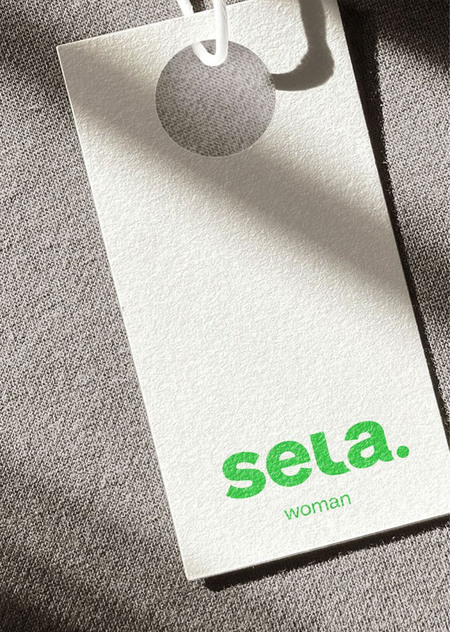
BRAND POSITIONING
Brand Evolution and Strategic Positioning Following a major rebranding phase, the label temporarily operated under the sub-headline moms & monsters, anchoring its identity in an empathetic, witty, and honest approach to modern motherhood. This targeted campaign fostered immense emotional attachment among women.
However, over the past 18 months, SELA has undergone an aggressive commercial expansion, significantly broadening its product assortment. To reflect this rapid scaling and to welcome a much wider audience, the brand has officially retired the moms & monsters tagline. Moving past the exclusive focus on maternal life, SELA has evolved into a comprehensive family lifestyle brand.
The brand’s contemporary philosophy centers on being a holistic, welcoming space for the entire household. SELA positions itself as a curator of effortless family living, offering versatile, stylish, and durable collections designed to bring comfort, aesthetic harmony, and practicality to everyday family life.
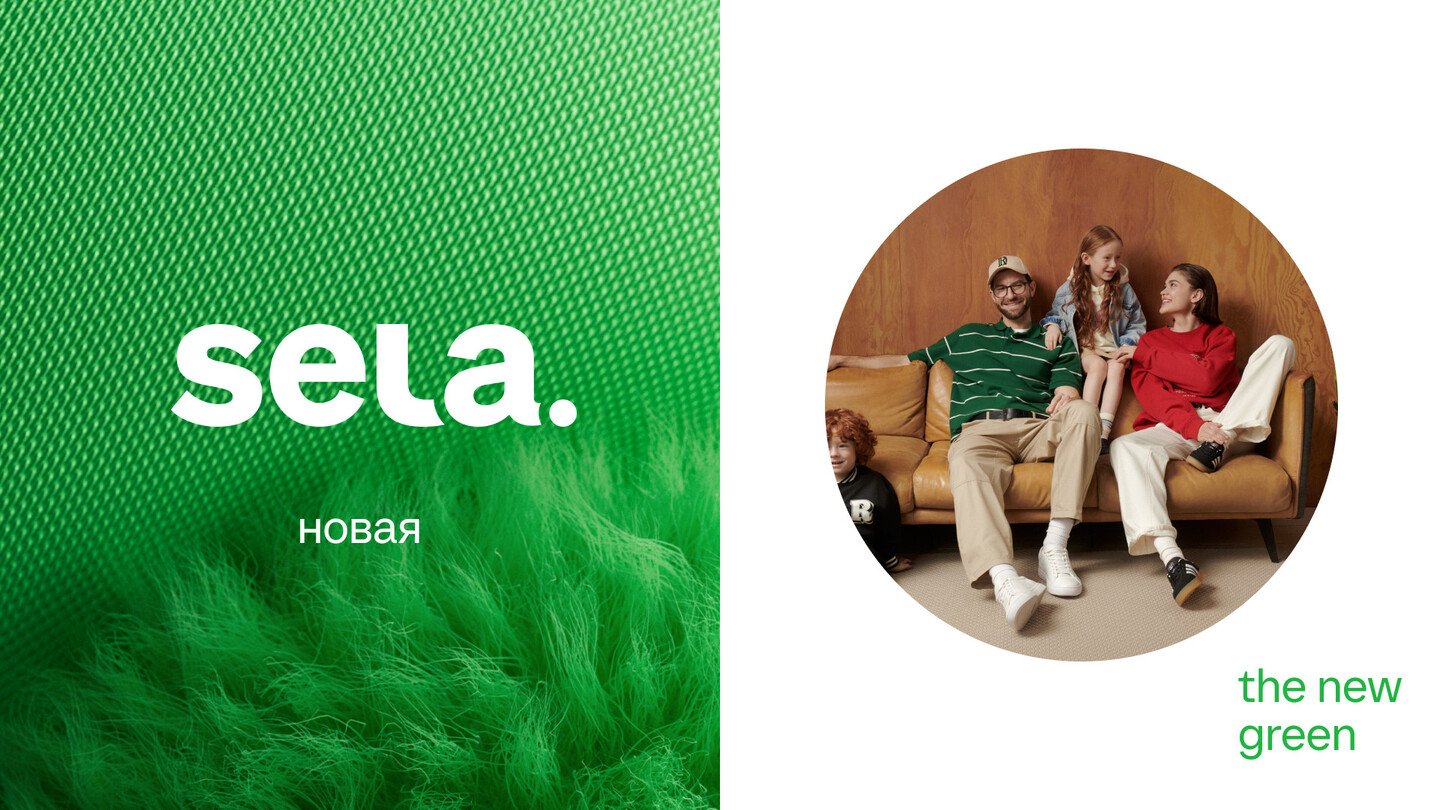
For Whom
Women (Core):
Fast-paced, modern individuals (25-45) who value functional, trend-aware urban fashion beyond their roles as parents.
Men:
Style-conscious pragmatists seeking straightforward, well-tailored, and premium wardrobe essentials.
Gen Z (17-24):
Digitally fluent youth looking for accessible self-expression through oversized silhouettes, gender-neutral basics, and streetwear trends.
Infants, Children & Teens (0-14):
A developing segment requiring everything from ultra-soft textiles for safety to edgy apparel for early self-expression.
SELA is a family lifestyle ecosystem.
To solidify this new identity, SELA has deliberately expanded far beyond the boundaries of traditional apparel. While the core clothing matrix was elevated through the launch of an expansive menswear line and a fully comprehensive kids' department (spanning from newborns to 14-year-old teenagers), the brand’s most significant recent milestone lies in its diversification into two entirely new lifestyle categories: home decor and experiential hospitality.
The introduction of SELA HOME marks the brand’s strategic entry into the domestic space, offering curated selections of minimalist textiles, tableware, and interior accessories designed to bring Scandinavian-inspired visual harmony to the modern household. Simultaneously, the launch of Vigge Cafe — an innovative chain of in-store coffee shops named after the brand’s beloved green mascot — redefines the brick-and-mortar shopping experience.
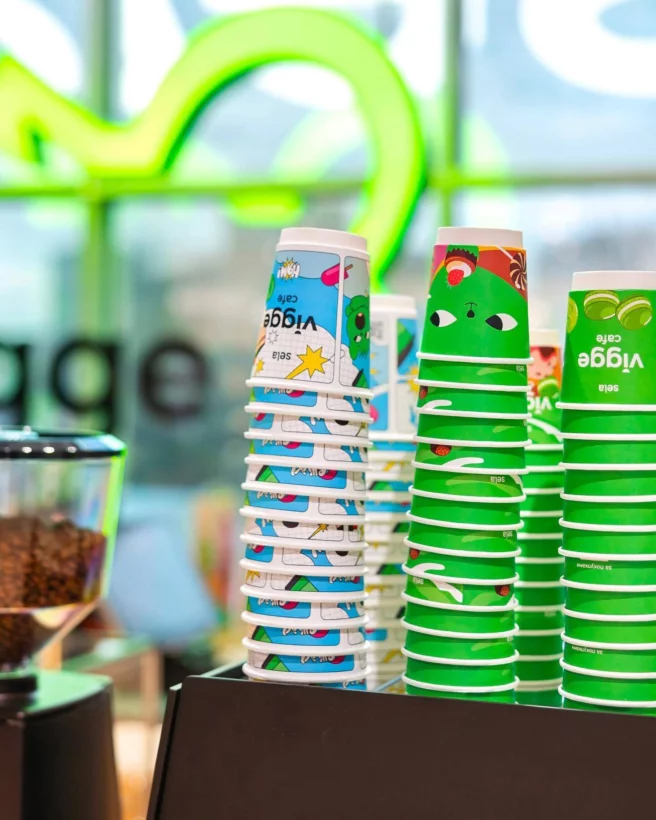
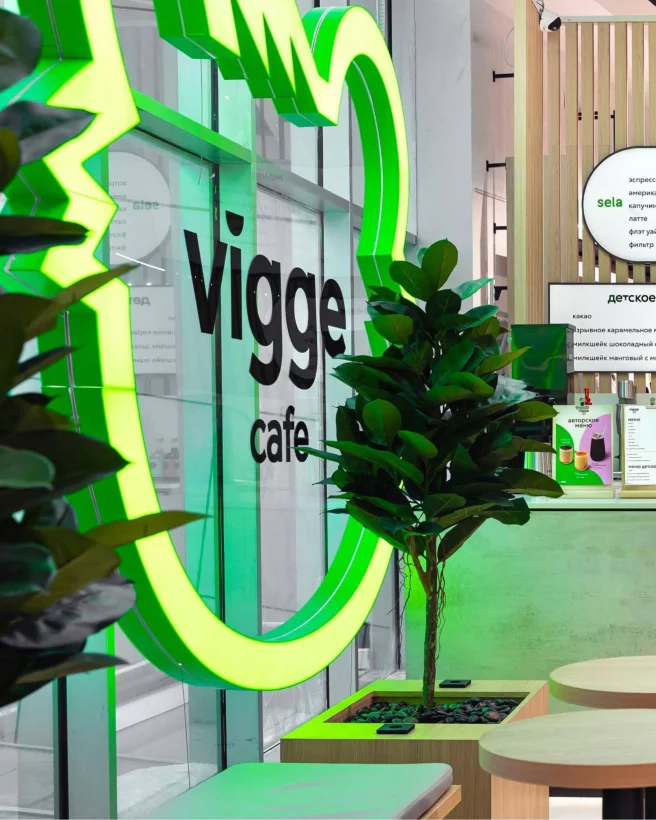
Vigge Cafe
COMMUNICATION CHANNELS AND PR STRATEGIES
Communication Channels
Official Website (sela.ru) and Mobile Application:
The digital user interface has been entirely redesigned to reflect a comprehensive lifestyle ecosystem. The catalog is seamlessly categorized into dedicated segments: Women, Men, Kids, SELA HOME, and Vigge (the brand’s signature mascot). Functioning as an interactive digital guide, the landing page instantly greets visitors with a promotional discount code paired with high-end imagery of a model styled in the latest collection. This is followed by a curated selection of seasonal lookbooks designed to inspire personalized outfits. From this point, users can easily navigate to their preferred product segment. The website layout follows a clean, intuitive logic, alternating between thematic collection reveals, cultural collaborations, and direct links to popular or newly arrived items available for online purchase or in-store pickup.
Screenshot from the brand’s website
Social Media Platforms (VK, Telegram):
Each social platform serves a distinct strategic purpose. The official VKontakte community functions as the primary vehicle for wide-reach announcements, promotional discounts, large-scale giveaways, and direct peer-to-peer engagement with a multi-million user base. Simultaneously, Telegram is actively leveraged to build deep community connections. The brand has launched a specialized channel, SELA HOME, which moves away from aggressive selling to focus on inspiring content rooted in Scandinavian minimalism, cozy interiors, and «hygge» aesthetics. Furthermore, the brand’s friendly green monster mascot, Vigge, is heavily integrated into digital communications and features prominently across the children’s product lines.
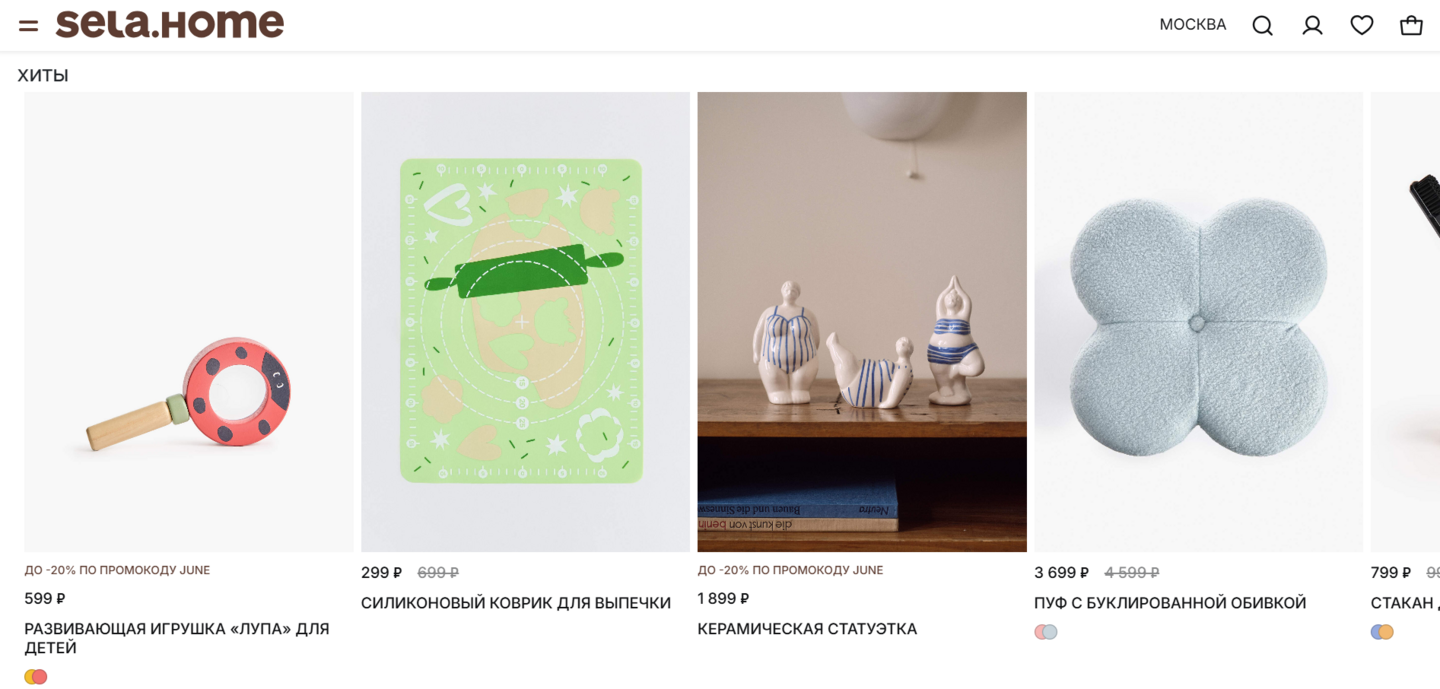
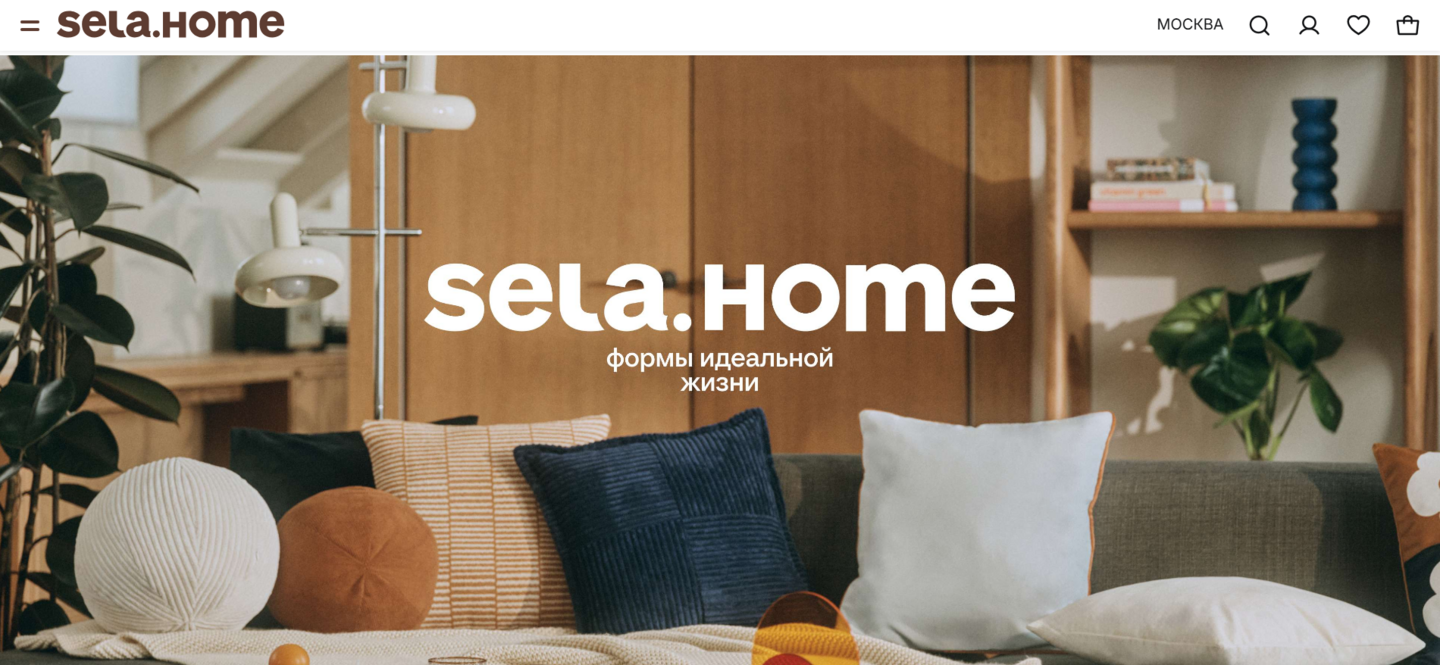
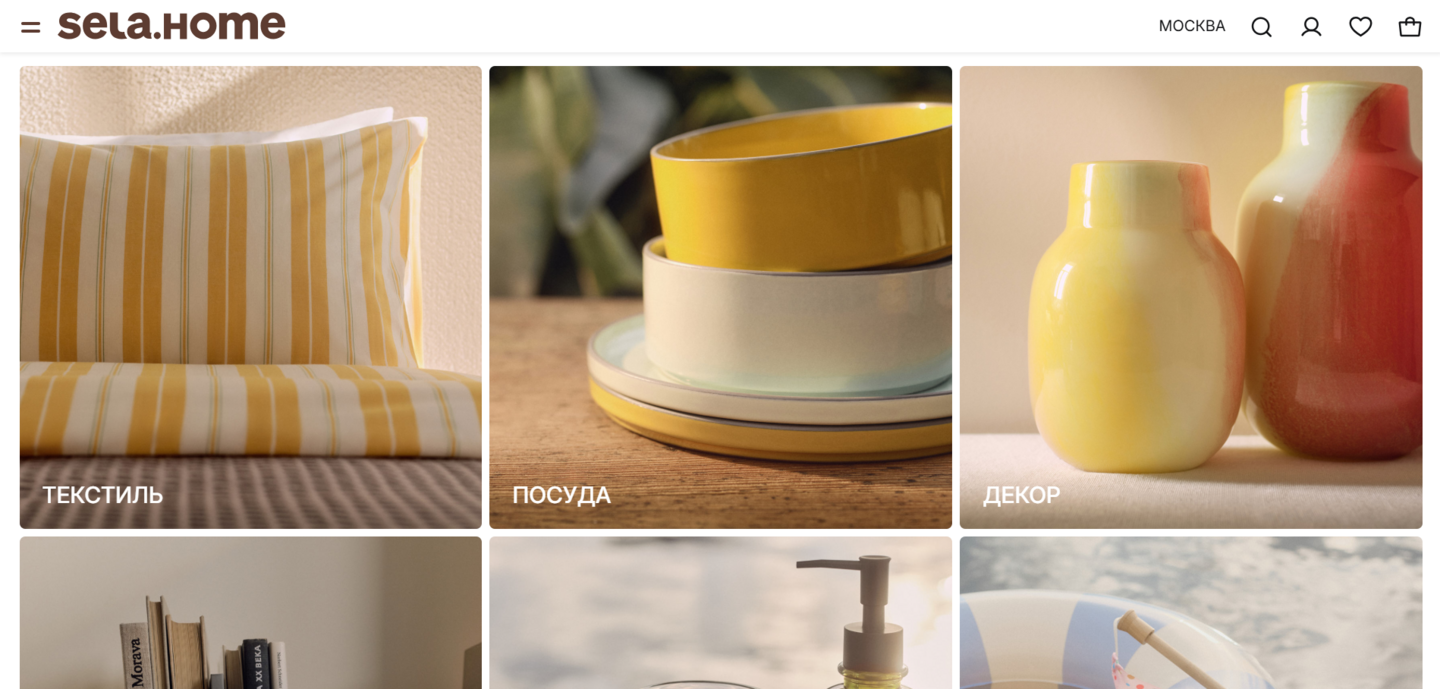
Screenshot from the brand’s website
Brick-and-Mortar retail as a media channel:
Physical storefronts operating under a newly updated concept have emerged as the brand’s most vital communication channel. SELA is successfully converting traditional retail spaces into a cozy «third place» for the entire household. These flagship stores harmoniously blend apparel corners, SELA HOME sections, and the experiential Vigge Cafe. This physical strategy engages consumers through sensory marketing, combining the aroma of fresh coffee and pastries with tactile materials and a visually soothing environment.
Advertising banner
Advertising and promotion:
SELA has completely moved away from high-pressure direct sales tactics. Instead, the brand prioritizes high-aesthetic out-of-home (OOH) image advertising, visually driven digital banners that highlight collection aesthetics, and highly targeted native promotions within its own mobile application and loyalty ecosystem.
Advertising posters
PR Strategies
Screenshot from the brand’s website
Socio-cultural collaborations:
SELA actively weaves cultural heritage into everyday lifestyle fashion. This is vividly demonstrated through limited-edition capsule collections developed in partnership with iconic cultural institutions, such as the Mosfilm Cinema Studio, the State Tretyakov Gallery, and the Soyuzmultfilm Animation Studio. Additionally, the brand’s ART MOMS initiative connects the label with contemporary artists, illustrators, and sculptors. These partnerships allow SELA to communicate through shared values, fine art, and historical memory, effectively engaging a more intellectual, discerning demographic alongside the trend-conscious youth market (the 17–24 age segment).
Emotional & supportive PR (Social Marketing):
the brand carefully cultivates its reputation as a socially responsible business entity. SELA frequently launches and sponsors community-driven initiatives focused on maternal well-being, child development, and environmental sustainability. Within the public sphere, the brand consistently champions messages of eco-consciousness, social inclusivity, and the reduction of parental stress, positioning itself as an empathetic ally rather than just a retail vendor.
Organic influencer marketing:
moving away from rigid, scripted celebrity endorsements, SELA focuses on authentic partnerships with a diverse mix of micro- and macro-influencers. This roster includes fashion creators, everyday mothers, young conceptual artists, and modern couples. The central brief centers on showcasing «real life in SELA style» — influencers organically demonstrate how the brand’s apparel, home decor, and coffee rituals naturally integrate into their authentic daily routines, home interiors, and lifestyle habits.
Screenshot from the brand’s website
THEORETICAL FRAMEWORK
To analyze SELA’s communication strategy, this study applies two complementary theoretical frameworks: the Elaboration Likelihood Model (ELM) and Uses and Gratifications Theory (UGT). Together, they provide a dual perspective on how the brand persuades its audience and how it sustains an emotional connection through its content ecosystem.
The Elaboration Likelihood Model (ELM)
The ELM posits that persuasion occurs through two distinct routes: the central route (requiring active evaluation of factual arguments) and the peripheral route (relying on emotional cues, aesthetics, and symbolic associations). This framework is highly relevant to SELA, as the brand operates in the mass-market apparel segment where consumers rarely engage in deep analytical processing before a purchase. Consequently, SELA’s strategy relies heavily on the peripheral route. Rather than highlighting complex technical product specifications or rational arguments, the brand communicates through family-oriented imagery, feelings of comfort, and relatable everyday scenarios. ELM allows us to assess how these visual and emotional peripheral cues successfully foster trust, familiarity, and positive consumer attitudes without demanding heavy cognitive effort from the buyer.
Uses and Gratifications Theory (UGT)
Uses and Gratifications Theory views the audience not as passive receivers, but as active participants who consciously select media to satisfy specific psychological and social needs. This perspective is essential for understanding SELA’s expansive digital presence. Consumers engage with SELA’s platforms not merely to gather product information, but to fulfill deeper personal requests. The brand’s content provides ready-made wardrobe solutions (practical utility), aesthetic inspiration for everyday living (cognitive stimulation), and a sense of belonging to a community of modern, mindful families (identity reinforcement). UGT helps explain why the audience voluntarily interacts with the brand, saves its content, and maintains a relationship with it even outside the active purchasing phase.
ANALYSIS
Analysis of SELA Through the Elaboration Likelihood Model (ELM)