
Original size 2480x3500

Communication Theory: Vkusvill

PROTECT STATUS: not protected
This project is a student project at the School of Design or a research project at the School of Design. This project is not commercial and serves educational purposes
The project is taking part in the competition
Original size 1200x656

Introduction

VkusVill is a Russian retail brand specializing in natural, fresh, and ethically-sourced food products.The brand is known for its strong focus on product quality, transparency, customer feedback, and sustainable business practices.

Unlike many retail brands that rely on aggressive sales messaging, VkusVill often uses warm, everyday imagery featuring families, farmers, employees, and real-life situations. The visual identity is characterized by clean design, natural colors (especially green and white), minimalistic layouts, and a focus on the products themselves. This creates an image of honesty, transparency, and closeness to customers.

Original size 770x512
0

Founded in 2012, the company has grown from a small chain of healthy food stores into one of the leading grocery retailers in Russia.

Original size 1180x730

The brand has built a distinctive image through its customer-centric approach and active digital presence. By combining online and offline communication channels, VkusVill has established strong relationships with its audience and created a community around the values of healthy living, responsibility, and transparency. VkusVill’s target audience includes health-conscious consumers, families with children, office workers and customers who value natural ingredients and ethical consumption in general.

This longread analyzes VkusVill’s communication strategy, visual identity, and public communication practices through the lens of communication theory.

Original size 1240x675

Communication Channels

The «VkusVill» brand represents a unique case study in the retail market. Its communication strategy radically differs from the aggressive marketing typical of its competitors. Instead of broadcasting direct purchasing appeals, the company focuses on forming a loyal consumer community through transparency, constant feedback, and active engagement. Below is an analysis of VkusVill’s PR strategies through the lens of five core communication theories, supported by recent advertising campaigns from 2025–2026.

Situational Theory of Problem-Solving (STOPS)

James Grunig’s STOPS theory posits that individuals actively seek and process information only when they recognize a problem that affects them personally (problem recognition), believe they can influence the situation (involvement level), and overcome internal or external barriers (constraint recognition). VkusVill masterfully engages this «active public.» Their PR strategy revolves around conscious consumption and healthy eating. When a consumer faces a problem—such as «how to find clean-label food free of hidden sugars and artificial additives”—VkusVill immediately provides an informational solution.

In the video „Продукты с чистым составом“ (link to the video: https://youtu.be/IJb7NH2xS-s?is=6iBUS6jg83AwqQ-J), the brand explicitly states: „We do not add flavor enhancers, artificial colorings, and flavorings“. It targets the consumer’s chronic anxiety regarding food quality. By showing relatable individuals relaxing while eating, VkusVill lowers the „constraint barrier,“ offering peace of mind alongside free delivery.

Loading...

Excellence Theory

According to Grunig’s Excellence Theory, the highest form of PR is two-way symmetrical communication. This means an organization does not merely manipulate public opinion but is genuinely willing to adapt its own practices based on public feedback. For VkusVill, this is a core philosophy. The PR team functions as a facilitator of open dialogue. A prime example is their handling of negative feedback. When customers complain about a product’s altered taste, the brand does not delete comments; instead, they publicly report on modifying recipes or changing suppliers. This mirrors the theoretical ideal of mutual adjustment.

Relationship Management Theory

Developed by John Ledingham and Stephen Bruning, this theory asserts that PR should manage relationships, not just perceptions. Successful relationships are defined by trust, mutuality, commitment, and satisfaction. VkusVill translates this theory into digital spaces (Telegram, VK) through gamification and tailored loyalty programs. Меchanics like «Favorite Product» discounts or post-purchase item ratings shift the consumer-brand dynamic from purely transactional to communal, fostering deep-seated brand advocacy.

Dialogic Theory

Michael Kent and Maureen Taylor identified five pillars of digital dialogue: mutuality, propinquity (spontaneity/closeness), commitment, empathy, and risk. Dialogue requires corporate authenticity and the abandonment of bureaucratic arrogance. VkusVill’s social media channels completely lack corporate stiffness. The SMM team interacts with users using self-deprecation, memes, and sincere empathy.

In the dynamic, music-driven video «Приготовил ужин с чистым составом» (link to the video: https://youtu.be/6lusO9fBDHQ?is=NOTVKJde-NDmp4pV) the brand utilizes a fast-paced User-Generated Content (UGC) aesthetic, featuring diverse characters like a gamer girl eating onigiri. This builds propinquity by speaking to youth on their terms. Similarly, in «The Most Ordinary Advertisement of the Most Extraordinary Roll,» the brand pairs cosmic imagery (a cat astronaut) with ironic commentary («This is the most ordinary advertisement…»). This playful self-awareness breaks the «fourth wall,» inviting the audience into a casual, peer-to-peer dialogue.

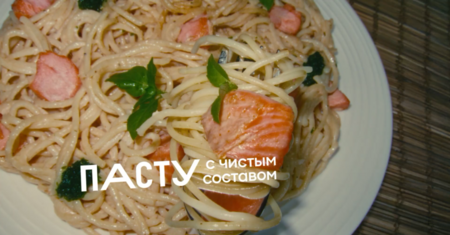
Moreover, take a look at scenes with pasta. The dish itself looks simple and tasty at the same time. This makes it very familiar and appealing to the potential buyer, since simple meals like macaroni and pasta are known to every citizen.

Loading...

Fully Functioning Society Theory (FFST)

Robert Heath’s theory dictates that organizations must help society function better by aligning with shared values and demonstrating Corporate Social Responsibility (CSR).PR serves as an instrument to generate social capital. VkusVill integrates heavily into this framework through urban eco-initiatives (battery recycling, plastic bottle reverse vending machines). Furthermore, they apply this societal care to their internal community.

In the HR video «Мы не ищем» (link to the video: https://youtu.be/TXTbYQHBnvE?is=aRn3Fa3r0o1XDYSm) the company humorously rejects the corporate myth of the «flawless robotic worker» (such as telepathic cashiers or multi-armed order pickers). Instead, they state they are simply looking for decent, «good people» for standard roles. This public commitment to humane employment standards elevates VkusVill’s status as a «good corporate citizen» contributing to a healthier society.

Original size 1920x1224

Examples of humorous scenes from Vkusvill HR advert

Loading...

In this way, by showing some unrealistic skills, such as telepathy, Vkusvill is trying to show auditory that they are hiring decent and average people. In their company workers don’t need special talents, just a desire to make citizens life much better.

Theoretical Frameworks

Original size 1240x675

In the case of VkusVill, a Russian specialty grocery retailer focused on health-conscious urban consumers in Moscow and other major cities of European Russia, its communication strategy can be explained through two key theories: Social Comparison Theory and Selective Exposure Theory.

Social Comparison Theory was developed by Leon Festinger in the 1950s. The theory suggests that people define and evaluate themselves by comparing themselves to others. This mechanism is particularly effective among relatively affluent consumers who lead busy and often stressful lifestyles. Such individuals frequently compare themselves to others and seek ways to improve their self-image and quality of life. Exposure to peers, influencers, and media representations of desirable lifestyles can encourage individuals to adopt behaviors and consumption patterns that they associate with success, health, or social responsibility. As a result, purchasing decisions are often influenced not only by practical needs but also by the desire to align oneself with an aspirational social group or personal ideal.

«There exists, in the human organism, a drive to evaluate his opinions and his abilities.» © Leon Festinger, «A Theory of Social Comparison Processes», 1954

Original size 1240x675

Selective Exposure Theory can be summarized by the saying «birds of a feather flock together.» The theory argues that people prefer information, products, and communities that align with their existing beliefs and values. This tendency helps individuals maintain a coherent sense of identity and reduces the psychological discomfort that can arise from encountering contradictory information.

The theory also originates from the work of social psychologist Leon Festinger in the same timeframe. Festinger argued that individuals experience mental discomfort when their beliefs, attitudes, or behaviors are inconsistent with one another. To reduce this discomfort, people often gravitate toward information and experiences that reinforce their existing perspectives. Over time, this selective process can shape not only media consumption habits but also purchasing decisions, social relationships, and lifestyle choices.

Research in communication, psychology, and consumer behavior has generally supported the existence of selective exposure. Studies have shown that people are more likely to pay attention to information that aligns with their values and are more receptive to messages that reflect their existing preferences. The effect is particularly strong when the subject matter is closely connected to personal identity, morality, health, or political beliefs. As a result, brands and organizations frequently tailor their messages to resonate with the values and aspirations of specific audiences, increasing the likelihood that consumers will engage with and respond positively to those messages.

Analysis

These consumers aspire to become better versions of themselves: eating healthier, supporting local producers, following environmentally conscious practices, or contributing to charitable causes. Marketing messages that consistently emphasize positive qualities such as health, self-expression, family values, and generosity can encourage consumers to reflect on whether they are doing enough or making the right choices.

VkusVill’s products are not necessarily marketed as the tastiest or the most affordable options available. Instead, the brand’s primary selling points are health, natural ingredients, and support for local production. The target audience is often willing to sacrifice some degree of taste, convenience, or price in exchange for feeling that they are making healthier and more environmentally responsible choices. In this way, purchasing from VkusVill becomes part of the consumer’s self-image and lifestyle.

Original size 1240x675

VkusVill does not need to fundamentally change consumers' attitudes. Instead, it targets an audience that already shares its values, such as interest in healthy eating, environmental responsibility, and support for local producers. The brand’s communication therefore focuses on attracting and retaining this existing market segment rather than persuading consumers who do not share these priorities.

This approach is common among smaller brands that serve specific niche audiences. VkusVill’s target customers are typically career-oriented, health-conscious, and financially comfortable urban residents, often with families. They live fast-paced lifestyles and have limited time for cooking, which creates demand for convenient ready-made meals and snacks. The brand’s product range reflects this preference for quick, portable, and easily accessible food options.

At the same time, these products may not always provide the highest nutritional value or the most affordable option compared to available alternatives. For example, employees engaged in physically demanding work, such as delivery drivers or warehouse staff, may be less likely to rely on VkusVill’s ready-made meals as a regular part of their diet, as such products can be relatively expensive and may not always meet the caloric requirements associated with intensive manual labour. However, for the brand’s target audience, the perceived benefits of health, convenience, and ethical consumption often outweigh these concerns.

Original size 1240x675

Conclusions

The analysis demonstrates that VkusVill has developed a consistent and effective communication strategy that reflects its core values of quality, transparency, and customer care. The brand successfully uses multiple communication channels, including social media, mobile applications, and in-store interactions, to maintain continuous engagement with its audience. Its visual identity, simple design, and customer-oriented messaging contribute to a strong and recognizable brand image.

From the perspective of communication theory, VkusVill’s strategy effectively supports trust-building and long-term customer relationships. The company encourages two-way communication by actively collecting customer feedback and incorporating consumer preferences into product development. This approach strengthens customer loyalty and differentiates the brand from competitors in the retail market. Through transparency, dialogue, and community engagement, VkusVill has successfully positioned itself as a lifestyle brand that extends beyond the sale of food products.

Original size 1240x675

Recommendations

To further strengthen its communication strategy, VkusVill should place greater emphasis on communicating its sustainability initiatives and social responsibility efforts. While the brand is already associated with transparency and customer trust, more detailed storytelling about product sourcing, environmental practices, and community engagement could further enhance its reputation among socially conscious consumers.

The company could more actively highlight its efforts to reduce environmental impact through sustainable packaging, waste reduction initiatives, and support for local farmers. Additionally, VkusVill could promote ethical consumption by providing greater transparency about animal welfare standards, sourcing practices, and responsible production methods for animal-based products. Such initiatives would resonate with environmentally conscious consumers and reinforce the brand’s commitment to social responsibility.

Furthermore, VkusVill could expand its use of interactive digital content, such as short-form videos, live streams, user-generated content campaigns, and educational materials on sustainable lifestyles and conscious consumption, to increase audience engagement across social media platforms. Finally, implementing more data-driven personalization in its online communication could improve the customer experience and foster even stronger brand loyalty.

Original size 2560x1440

By integrating sustainability, ethical values, and innovative digital engagement more prominently into its communication strategy, VkusVill can enhance customer trust, attract new audiences, and maintain a competitive advantage in the evolving retail market.

Original size 2560x1200
Bibliography
1.

Course Communication Theory: Bridging Academia and Practice. Accessed 3 June 2026.

2.

Griffin, E. A First Look at Communication Theory. New York: McGraw-Hill, 2012.

3.

Dainton, M., and E. Zelley. Applying Communication Theory for Professional Life. Thousand Oaks, CA: Sage Publications, 2015.

Communication Theory: Vkusvill
Project created at 11.06.2026
We use cookies to improve the operation of the website and to enhance its usability. More detailed information on the use of cookies can be fo...
Show more