

Sections
- Introduction 1.1 Target Audience 1.2 Core Positioning
- Communication Channels 2.1 Communication Ecosystem 2.2 Social Media Communication 2.3 Push Notifications
- Theoretical Analysis 3.1 Cybernetic Tradition 3.2 Semiotic and Socio-Cultural Traditions
- Conclusion
- List of literature
- Images Sources
Introduction
Duolingo is one of the most popular educational technology platforms in the world. The company specializes in language learning through a mobile application and website. Founded in 2011, Duolingo offers free and premium courses in dozens of languages. The platform uses interactive lessons, quizzes, and gamification techniques to make language learning more engaging. Today, Duolingo serves millions of users worldwide and has become one of the most recognizable educational brands in digital media.
To develop the best education in the world and make it universally available
This mission reflects the company’s commitment to accessibility and inclusion. The brand believes that education should be available to everyone regardless of financial background or geographical location. Its core values include innovation, accessibility, motivation, and continuous learning.
Core Positioning
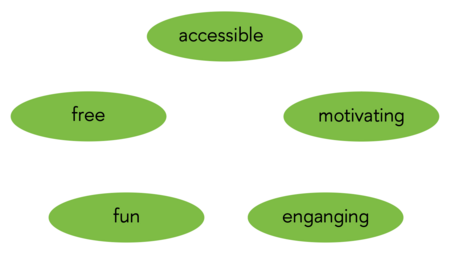
Duolingo positions itself as a fun, friendly, and accessible learning platform. The brand breaks the stereotype that studying is boring and difficult, focusing on gamification, viral humor and free access to knowledge. The platform uses colorful visuals, rewards, and challenges to create a positive learning experience. The company’s communication consistently reinforces the idea that learning should be enjoyable and motivating.
Target Audience
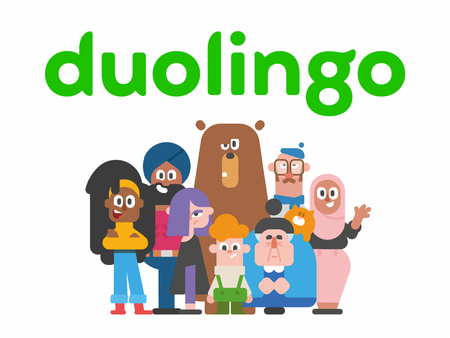
Duolingo targets a broad audience of learners. Its primary users include students, young professionals, travelers and self-leaners. The platform is especially attractive to younger generations because of its mobile-first design and strong social media presence. At the same time, Duolingo also appeals to adults who want to learn new languages for personal or professional reasons. The diversity of its audience requires flexible and adaptive communication strategies.
Communication Channels
Communication Ecosystem

Duolingo uses multiple communication channels to interact with users. These channels include the mobile application, official website, social media platforms, email marketing, and push notifications. Together, these channels create a comprehensive communication ecosystem. Each channel serves a specific purpose, from delivering lessons to maintaining user engagement and strengthening brand identity. By integrating these communication channels, Duolingo ensures consistent messaging across all user touchpoints.
Social Media Communication
Social media plays a significant role in Duolingo’s communication strategy. The brand is present on all key platforms, adapting the content to the format of each of them.
TikTok: The main PR engine of the brand. The videos are based on absurd humor, ridiculing intrusive app notifications and using current trends. YouTube and Instagram*: Publishing short videos (Reels, Shorts) and reposting successful content, humorous sketches, collaborations, and interact with the audience through comments. X (formerly Twitter): A text format where mascots and brands communicate with each other, fueling the interest of the audience through healthy absurdity.
Unlike traditional educational brands, Duolingo often uses humor, memes, and viral trends in its content. This approach helps the company appear relatable and entertaining. As a result, Duolingo has successfully transformed itself from a language-learning platform into a highly recognizable digital brand.
*Продукт компании Meta, которая признана экстремистской организацией и запрещена на территории РФ
Push Notifications

Push notifications are one of Duolingo’s most effective communication tools. Users regularly receive reminders to complete lessons, protect their streaks, or celebrate achievements. These notifications are designed to encourage continued engagement with the platform. Through personalized and timely messages, Duolingo maintains regular contact with users and motivates them to return to the application. This communication channel plays an important role in user retention and habit formation.
Theoretical Analysis
This analysis applies three communication traditions from communication theory: the Cybernetic Tradition, the Semiotic Tradition, and the Socio-Cultural Tradition. Each theory provides a different perspective on how Duolingo communicates with users. The Cybernetic Tradition focuses on information exchange and feedback. The Semiotic Tradition examines the role of signs and symbols. The Socio-Cultural Tradition explores how communication creates social practices and shared meanings.
Cybernetic Tradition
According to the Cybernetic Tradition, communication is a process of transmitting information through systems of feedback. Communication involves a sender, message, channel, receiver, and feedback mechanism. Feedback is particularly important because it allows communication systems to adapt and improve over time. This theoretical perspective is useful for analyzing digital platforms because many online systems rely on constant user interaction and data-driven responses.
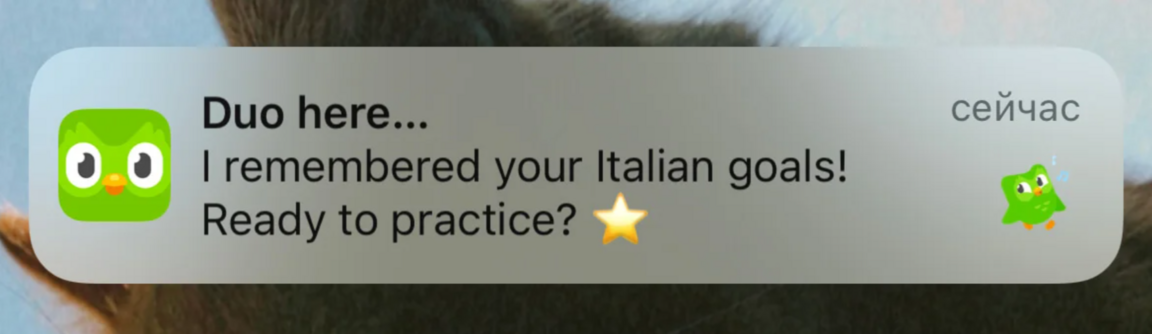
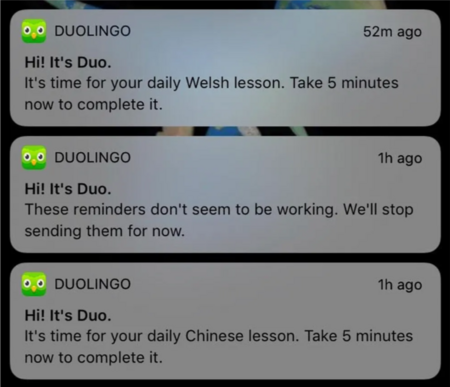
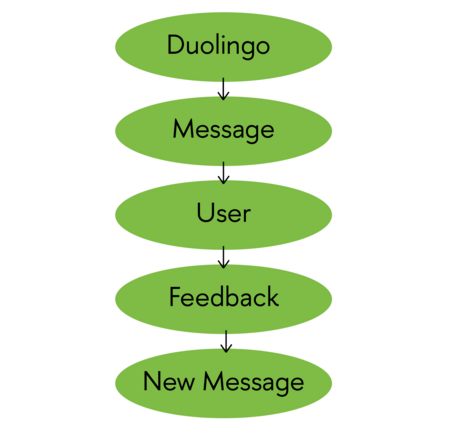
According to the Cybernetic Tradition, communication is based on the exchange of information and feedback. Duolingo follows this model through its communication system: — Push notifications remind users to study. — Users respond by opening the app or ignoring the message. — The platform collects feedback from user behavior. — Future communication is adapted based on these actions. This feedback loop helps maintain user engagement and supports habit formation.
Semiotic and Socio-Cultural Traditions
The Semiotic Tradition views communication as the creation and interpretation of meaning through signs and symbols. Visual elements, colors, icons, and images all contribute to communication. The Socio-Cultural Tradition focuses on how communication shapes social reality and cultural practices. Through repeated interactions, people develop shared meanings, norms, and behaviors. Together, these theories help explain how Duolingo communicates not only through information but also through symbols and cultural influence.
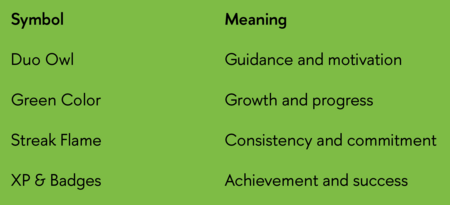
The Semiotic Tradition focuses on how meaning is created through symbols and signs, which communicate important ideas without relying on long explanations. It helps users understand their progress and strengthen emotional connections with the platform. Duolingo makes excellent use of this system: it transforms the process of learning languages from a routine into an exciting game with the help of understandable codes and memes.
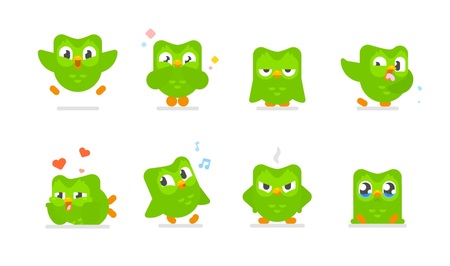
The brand has brilliantly reinterpreted a popular Internet meme about the «Evil Duo» (an evil owl who punishes for missing lessons). In advertising campaigns and social media, the owl acts as a passive-aggressive but caring friend, creating a powerful emotional bond.

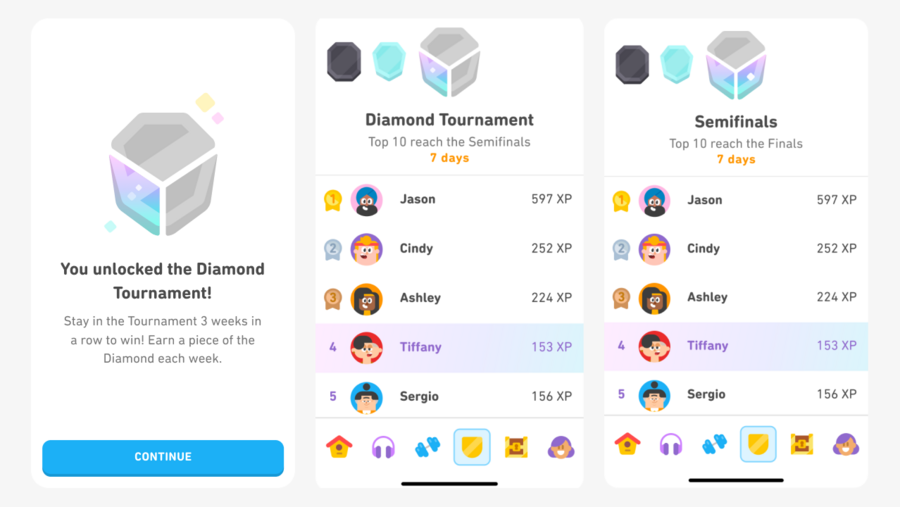
Duolingo Leaderboards
The Socio-Cultural Tradition explains how communication creates shared practices and social norms. Duolingo encourages users to: — study every day; — maintain learning streaks; — participate in challenges; — compare achievements with others in leaderboards and friends quests. Over time, these activities create a learning culture in which daily language practice becomes a normal and expected behavior.


Duolingo streak society
Gamification as a social tradition creates a culture of «streakes» (continuous series of activities) among users, which has become an independent social phenomenon.
The focus on language as a cultural code. Brand promotes the idea that learning a language is not grammar, but a way to understand other people’s culture, emotions, and lifestyle.
Duo Place campaign, 2026
For instance, the Duo Place campaign, in which the brand invited users to share regional slang, swear words and authentic expressions from different countries, emphasizing the importance of intercultural communication.
Duolingo extends communication beyond the application through social media. The company uses memes, humor, viral trends and audience interaction. As a result, Duo has become a recognizable internet character and an important part of online culture. This strengthens brand awareness and creates a sense of community among users.
Conclusion
Several recommendations can improve Duolingo’s communication strategy:
Firstly, the company could increase its focus on educational outcomes rather than purely gamified rewards.
Secondly, communication could become more personalized based on user needs and learning goals.
And finally, Duolingo could expand community-building activities that encourage collaboration rather than competition among learners.
The analysis demonstrates how communication theory can explain the effectiveness of Duolingo’s brand strategy and user engagement practices. Through cybernetic communication, the platform uses feedback to encourage user engagement. Through semiotic communication, it creates meaning through symbols and visual elements. Through socio-cultural communication, it establishes learning habits and community practices. Together, these approaches contribute to the platform’s success and popularity.
Available at: https://about.duolingo.com (accessed: 13 June 2026).
Available at: https://www.duolingo.com (accessed: 11 June 2026).
Available at: https://design.duolingo.com (accessed: 8 June 2026).
Available at: https://www.tiktok.com/@duolingo (accessed: 14 June 2026).
Available at: https://www.instagram.com/duolingo (accessed: 10 June 2026).
Available at: https://www.youtube.com/@duolingo (accessed: 12 June 2026).
Available at: https://eland.az/ru/blog/52-duolingonun-ustunluklri-dil-oyrnmnin-asan-yolu.html (accessed: 12 June 2026).
Available at: https://www.instagram.com/p/DT1CMPejbk3/ (accessed: 10 June 2026).
Available at: https://www.internetmatters.org/ru/advice/apps-and-platforms/skills-building/duolingo/ (accessed: 14 June 2026).
Available at: https://ru.pinterest.com/pin/719942690474338728/ (accessed: 11 June 2026).
Available at: https://vk.com/wall-194944166_2451424 (accessed: 9 June 2026).
Available at: https://ru.wikipedia.org/wiki/X_(социальная_сеть) (accessed: 13 June 2026).
Available at: https://quokka.media/novosti/industriya/youtube-ob-otvetstvennom-biznese/ (accessed: 8 June 2026).
Available at: https://gpn.duolingo.com (accessed: 14 June 2026).
Available at: https://blog.duolingo.com/duolingo-leagues-leaderboards/ (accessed: 12 June 2026).
Available at: https://www.adsoftheworld.com/campaigns/duo-place (accessed: 9 June 2026).
Available at: https://neurohive.io/ru/gotovye-prilozhenija/duolingo-ispolzuet-modeli-dlya-obucheniya-inostrannym-yazykam/ (accessed: 11 June 2026).
Available at: https://bropush.com/blog/faq/populyarnye-voprosy-pro-monetizacziyu-trafika-push-podpiskami/ (accessed: 14 June 2026).
Available at: https://www.linkedin.com/posts/keerthana-chandrasekhar-42062719b_marketingstrategy-brandvoice-productmarketing-activity-7315683762636300290-AgOb (accessed: 14 June 2026).
Available at: https://altcraft.com/ru/glossary/mascot-chto-eto-takoe-i-kak-pomogaet-privlech-klientov (accessed: 8 June 2026).