Разговор с Анастасией Нефёдовой — многократным лауреатом «Золотой маски», главным художником Электротеатра Станиславский, руководителем курса в Школе дизайна — о пути театрального художника, о магии режиссёрско-художнических тандемов и об образовательных трендах.
Интервью ведёт театральный менеджер и педагог Марина Андрейкина.


Фото из социальных сетей Анастасии Нефёдовой
Творческие планы: выставка «Тело цвета» в Электротеатре
М: Что тебе сейчас в принципе интересно, Настя? А: Сейчас такой период, когда хочется анализировать то, что уже пройдено, чтобы понять, куда двигаться дальше. Это, мне кажется, важно и для образовательного процесса, и для моего собственного творческого. Поэтому я затеяла большую персональную выставку, на которой подведу возможные итоги своего пути, чтобы найти новый.
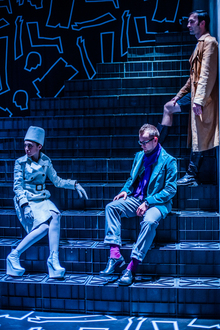
М: Выставка будет посвящена какому-то периоду твоего творчества, например, связанному с Электротеатром, или ты хочешь сделать большую ретроспекцию? А: Идея большой ретроспекции была, мы даже сделали проект и посчитали бюджет. К сожалению, реализовать его пока не получается, поэтому мы решили сделать выставку в урезанном варианте, то есть как проект периода «Электротеатра». Выставка будет называться «Тело цвета». Мы здесь рассматриваем цветовые тела как вынутое из тела костюма артистическое тело. Когда оно остаётся одно, само по себе — имеет ли оно какую-то ценность? Мы хотим посмотреть на это с точки зрения цветового, светового и пространственного телесного ощущения.


Костюмы к спектаклю «Синяя птица» Электротеатра Станиславский. Фото Олимпии Орловой
М: Ты все время говоришь «мы». Кто в твоей команде? Есть ли какая-то драматургия в твоей выставке? Будет ли какая-то световая история? А: Надеюсь, что световая история будет, хотя в Электротеатре она довольно ограниченная. Но да, мне бы хотелось, чтобы мы выстроили световое пространственное движение. Со мной сотрудничают Лидия Чугунова и Людмила Алябьева, обе из Школы дизайна, так что у меня очень хорошая команда. Я надеюсь, что всё будет хорошо.
М: Сколько работ ты планируешь представить и где вы их разместите? А: Мы хотим сделать массовое вмешательство в «тело Электротеатра». Там будет порядка 20-ти манекенов с костюмами, 20-ти панелей, развешанных в воздухе, один большой костюм Упыря из «Сверлийцев» и, наверное, ещё штук 20 стоек с фотографиями спектаклей. Всё-таки хочется показать большое количество экспонатов.
М: Зная, какое количество костюмов ты создавала по разным спектаклям — ведь иногда речь шла о сотнях (!), — хочется сказать, что это просто крошечная верхушка айсберга. Сколько же всего спектаклей будет представлено? А: Да, ты права. Что касается спектаклей, сейчас мы включили порядка десяти — довольно приличное количество. Сейчас предстоит отбор, и это будет, конечно, сложная история.
М: Это был мой следующий вопрос: как же вы будете отбирать по десяти спектаклям те костюмы, которые достойны быть представленными? А: Это будет очень сложно, поэтому я, наверное, отдам это коллегам. Пусть сделают это без меня — чтобы я не расстраивалась.


Костюмы к спектаклю «Сверлийцы» Электротеатра Станиславский. Фото Олимпии Орловой
Профессиональный путь: как стать театральным художником по костюмам?
М: Ты заканчивала постановочный факультет Школы-студии МХАТ. Специализироваться на костюмах ты стала уже во время обучения или там ты всё-таки получала более широкое образование? А: Образование было широкое, в том числе была дисциплина по костюму, технологии костюма. Мы работали с Региной Хомской. Она нам дала очень крутую базу, которая потом позволила заниматься костюмом профессионально. Когда я выпустилась, мои однокурсники позвали меня делать костюм — у них как раз не было нужного художника. Я согласилась. С тех пор как-то получалось, что я уже развивалась в двух направлениях — и как сценограф, и как художник по костюмам (но как художник по костюмам сделала работ больше, чем как сценограф).
М: То есть, определение профессионального пути произошло случайно? А: Да, случайно. Просто была такая вакансия.
Студенты Школы-студии МХАТ начала 1990-х годов. Фото из социальных сетей Анастасии Нефёдовой
М: Для меня отдельно важен вопрос: как художнику-постановщику сотрудничать с художником по костюмам. Нужно же совпасть в какой-то истории, оказаться на одной волне. Ты с очень разными художниками-постановщиками работала, так ведь? А: Да, с разными. И с разными художниками по-разному работается. Это соединение происходит каким-то магическим способом. Логикой его очень сложно измерить. Оптимальный вариант — когда ты сам у себя сценограф. У меня были спектакли, когда я делала сценографию, разрабатывала проект, а потом обнаруживала, что ещё не сделала костюмы. Было такое удивление — ещё и костюмы! Ведь это действительно целая вселенная. Когда ты сталкиваешься с чужим художественным сознанием, очень сложно соединить всё в одну стройную картину — и режиссёрское видение, и видение художника-постановщика. Но я стараюсь очень бережно относиться к чужой сценографии, уважительно и внимательно, чтобы можно было каким-то способом выразить себя тоже.
М: Какие у тебя самые приятные воспоминания о сотрудничестве с художниками-постановщиками? А: Мне кажется, со Стёпой Лукьяновым у нас оптимальная спайка. Он очень уважительно относится к художнику по костюмам, с ним очень комфортно работать. Я просто получаю его сценографию и уже обрабатываю ее сама как художник.
М: У меня от работы со Стёпой тоже всегда самые лучшие воспоминания. Это какая-то невероятная чуткость и высочайший профессионализм. А: Согласна полностью с тобой. И это при том, что Стёпа пришёл в театр из дизайна, а не изначально из сценографии.


Творческие команды со Степаном Лукьяновым.в Электротеатре Станиславский. Фото из социальных сетей Анастасии Нефёдовой
Преподавательский опыт: запрос на широкого специалиста
М: У тебя ведь был курс в Школе дизайна. Как он назывался? А: Сначала он назывался «Художник театра и кино», а потом «Ивент-дизайн. Театр. Перформанс».
М: Насколько я знаю, сейчас это существует как сквозная специализация, которую может выбрать студент любой образовательной программы Школы дизайна на 3-м курсе . Я правильно понимаю, что вы давали очень широкое художническое образование, не ограничиваясь костюмами и сценографией? Кого вы готовили? А: Мы готовили универсального художника, который может окунуться в любой жанр, в любое медиа, может там чувствовать себя свободно и привнести туда что-то новое. Этим мы и отличаемся от других вузов. Мне кажется, сейчас есть запрос именно на художника большого масштаба, который может сделать и no-budget проект, и перформативный, и киношный, и сценографический, и любой другой проект.
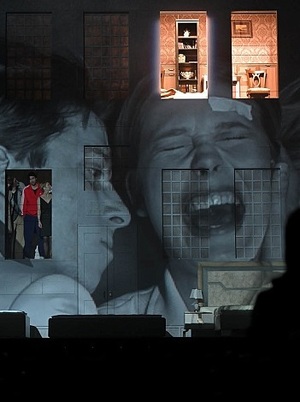
М: То, что ты говоришь, очень перекликается с концепцией Бориса Юрьевича Юхананова в Мастерской Индивидуальной Режиссуры, когда мы набирали МИР-4 в 2011 году. Там был образ Ниндзя-режиссёра на плакате. У Бори была идея, что нужно готовить всестороннего режиссёра, который будет работать во всех сферах, с любыми медиа. А: Получается, что именно на этой почве мы и смэтчились с тем курсом. Я у них тоже преподавала тогда, и мы сделали разные совместные проекты. Я сейчас навскидку не вспомню, но тогда у меня самой со многими режиссёрами случился мэтч. Самый хороший был с Климом Козинским. Мы с ним сделали спектакль «Идиотология» в Электротеатре, этот спектакль тоже будет представлен на выставке. Это всё тот же самый МИРовский курс.
М: Спектакль, по-моему, до сих пор идёт в театре? А: Да, спектакль идёт, идёт успешно, он действительно классный. М: Зовём всех в театр!


Костюмы к спектаклю «Идиотология» Электротеатра Станиславский. Фото Олимпии Орловой
Как художнику найти своего режиссёра?
М: Есть классический вопрос: как молодому специалисту, молодому творческому профессионалу войти в профессиональное поле, как найти первые заказы. Сколько лет бы ни прошло, этот вопрос всегда будет открыт, если не налажена система. Ты уже сказала, что отношения между сценографом и художником по костюмам выстраиваются на каком-то магическом уровне, то есть, это что-то из области чуда, которое должно случиться. А ведь чтобы возник спектакль, должна ещё случиться встреча художника и режиссёра! Можно ли этому чуду как-то помогать? Как делать так, чтобы художники с режиссёрами встречались? Как сделать так, чтобы молодые художники входили в профессиональную сферу? Можно ли это настроить как систему? А: Безусловно, это должно быть включено непосредственно в образовательную программу. У нас это было поставлено на поток. Мы всё время делали практические работы. Мы начали с уличного парада для воронежского театрального фестиваля. Это был первый мой курс. Мы соединили режиссёров и художников. Я это сделала весьма любопытным способом: у меня тогда были студенты-режиссёры из МИР-5, и был набран первый курс художников. Я соединила их путем художнического аукциона — приходил режиссёр к художникам, рассказывал свою заявку, свою идею, концепцию, и художники выбирали, с каким режиссёром они хотели бы сотрудничать. И таким образом у нас образовались творческие команды. Это было очень забавно, я это практику потом вполне успешно отрабатывала и на других курсах. Ребята узнают друг друга, могут потом разъединиться, перетечь к другому режиссёру, но какая-то основа, структура, чтобы найти общий язык с незнакомым сознанием — уже будет задана. Это очень важно. Я знаю, что многие ребята до сих пор сотрудничают, до сих пор работают вместе.
М: Получается, ты делала, по сути, режиссёрский питчинг! Как режиссёры в этой ситуации выглядели? Убедительно? Как они вообще соглашались на это? Охотно ли? А: Охотно, потому что это был игровой жанр. Я его назвала аукционом, а не питчингом, поэтому это был всё-таки более расслабленный вариант. И режиссёрам было интересно презентовать свои идеи перед такой необычной аудиторией.


Первый набор курса Анастасии Нефёдовой в Школе дизайна. Уличный парад на воронежском театральном фестивале
Театральные курсы в Школе дизайна: где работают выпускники, на кого ещё можно выучиться
М: Ты знаешь, чем занимаются твои первые выпускники? Вы поддерживаете отношения? А: Да, мы поддерживаем отношения. В основном это девчонки. Они все, так или иначе, работают по профессии. Кто-то уже преподаёт, кто-то даже занимается станковой живописью. Кто-то работает в большом бюро. Есть девчонки, которые занимаются созданием презентаций в крупных агентствах. Есть девочка, у которой своё агентство, разрабатывающее презентации для клиентов. То есть все работают по специальности.
М: То, что этот курс оказался у тебя в Школе дизайна, с твоей точки зрения, естественная история? Это «просто так случилось» или это всё-таки была правильная рамочка для твоего курса? А: Мне кажется, это правильная рамка для такого необычного явления. Это был первый набор в Школу дизайна по направлению «художник театра и кино». Все понимали, что это эксперимент. И я очень счастлива, что этот эксперимент удался в полной мере. Хотя все мы проторивали эту дорожку интуитивно, на ощупь. Но она состоялась. Не случайно это произошло не в академическом вузе — я всё-таки художник особенный.
Студенты Анастасии Нефёдовой — художники и режиссеры — готовятся к уличному параду на театральном фестивале в Воронеже
М: Сейчас в Школе дизайна открывается театральная режиссёрско-актерская мастерская в ДПО. Тебе это странно, что в Школе дизайна будут учить ещё актёров и режиссёров? Или для тебя это абсолютно естественная история? А: Мне кажется, сейчас и актёры, и режиссёры нужны в каких-то необычных проектах, необычных направлениях, поэтому для меня это естественно. Я очень рада, что это произойдёт. Тем более, что мы уже начинали такую историю в ДПО, её вел прекраснейший Миша Макеев, это всё было довольно успешно, и я надеюсь, что это будет отличным продолжением той, хорошей уже традиции.
Фото на обложке Александр Смирнов