Ещё несколько лет назад разговоры об искусственном интеллекте в моде сводились к онлайн-примеркам и рекомендательным системам интернет-магазинов.
Сегодня AI стал куда более заметным участником индустрии: он проектирует лекала, прогнозирует спрос, генерирует рекламные кампании, «создаёт» цифровых моделей и пишет маркетинговые тексты.
При этом мода — отрасль, где искусственный интеллект сталкивается сразу с несколькими уровнями сложности: с взаимодействием с реальным, телесным миром; с автоматизацией процессов, на протяжении тысячелетий основанных на ручном труде; с эстетическими предпочтениями, плохо поддающимися машинному анализу; и, наконец, с вопросами прав человека на собственный образ. Именно поэтому разговор об AI в fashion нельзя сводить к простому «он заменит дизайнеров» или «это очередной более умный компьютер».
В этом материале в 2-х частях мы попробуем разложить происходящее по полочкам: где AI уже стал рабочей инфраструктурой, где он остаётся экспериментом, а где — источником новых конфликтов и вопросов. Опираясь на академические исследования и данные уже работающих проектов, мы расскажем, как в индустрии моды применяется искусственный интеллект: от дизайна и производства до съёмок, цифровых моделей и маркетингового языка.

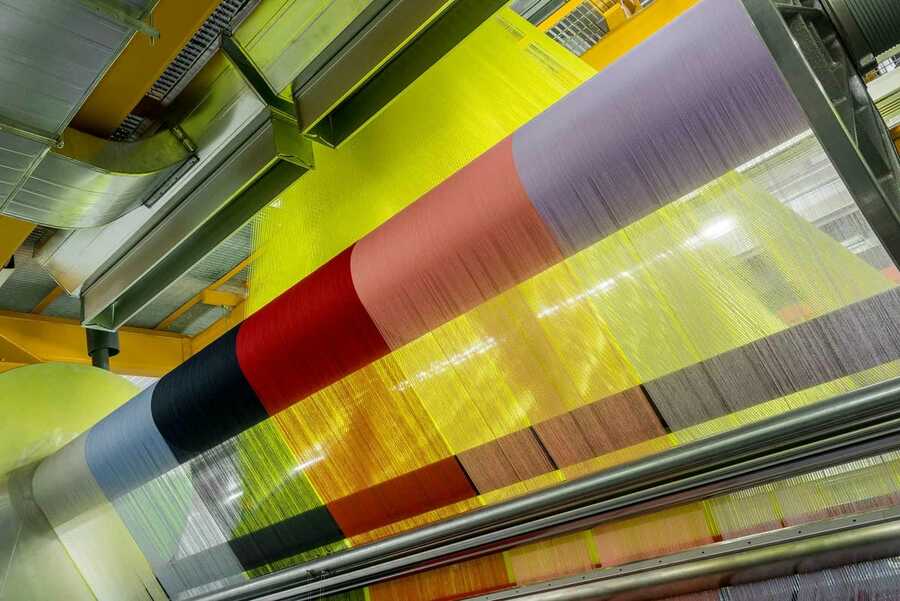
Источник фото: Easytex
Что вообще называют AI в моде, и почему это не один «тренд»
Под «искусственным интеллектом» в моде имеется в виду несколько разных технологий:
Машинное обучение (machine learning) — алгоритмы, которые учатся на данных и делают прогнозы, например, в области изменений сезонного спроса, объёмов продаж, вероятности возвратов.
Компьютерное зрение (computer vision) — системы, анализирующие изображения и видео: контроль качества ткани, распознавание дефектов, анализ силуэтов, виртуальная примерка.
Генеративный AI — модели, которые создают новый контент: изображения, тексты, видео, 3D-объекты. Именно они — самые заметные сегодня.
Большие языковые модели (LLM) — системы, работающие с текстом: описания товаров, маркетинговые тексты, бренд-платформы, внутренние инструкции, контроль за юридическими требованиями.
Исследователи моды и текстильной индустрии подчёркивают: говорить о «влиянии AI на моду» как о едином процессе некорректно. Каждая из этих технологий встраивается в разные сегменты цепочки индустрии и имеет разный эффект — от экономии ресурсов до влияния на восприятие моды в целом [1].
AI и дизайн: от вдохновения к систематизации
Генеративный AI как «первый черновик»
Самая видимая часть AI-революции — генерация изображений. В контексте разработки одежды это чаще всего: быстрые визуализации концептов коллекций, создание вариантов силуэтов, принтов и орнаментов, примеров сочетаемости в ассортиментной матрице.
Исследования показывают, что дизайнеры чаще всего используют генеративный AI не для финального результата, а для ускорения ранних этапов работы: поиска форм, тестирования цветовых сочетаний, расширения диапазона вариантов, что не влияет на эстетическую составляющую конечного результата, но позволяет быстрее пройти стадию разработки [2].
Приложение Fashion diffusion: создание и редактирование фэшн-скетчей на основе текста или фотографии. Источник
От «красивой картинки» к технических картам
Ограничение генеративных изображений очевидно: они редко содержат информацию, необходимую для производства. Поэтому в 2024–2025 годах наметился сдвиг от «красивых визуалов» к более продуктивным результатам: описанию необходимых материалов, конструктивных элементов и особенностей посадки. Появление специализированных AI-сервисов хорошо иллюстрирует этот переход от визуального эксперимента к системной работе с дизайном.
Платформы вроде The New Black AI или Mercer позволяют использовать генеративный AI для формирования более структурированных «первых черновиков» и описаний изделий, которые уже учитывают ассортиментную матрицу и производственные возможности.
Более узкоспециализированные инструменты, такие как Resleeve, работают на стыке визуализации и 3D-примерки, помогая проверить форму и посадку до создания образцов в материале.


Пример работы приложения Style AI: создание технических рисунков на основе фотографии обтравки или на модели. Источник
В совокупности такие сервисы показывают, как генеративный AI постепенно начинает выполнять роль связующего звена между визуальным поиском и подготовкой изделия. Исследователи подчёркивают: наибольшую ценность AI приобретает тогда, когда удается связать его с системами разработки лекал (CAD-системами) для генерации эскизов с нужными системе параметрами [3].
Конструирование и лекала: может ли AI шить?
Конструирование — один из самых точных процессов цепочки индустрии, ведь ошибка в миллиметр может привести к испорченной партии изделий и километров ткани. Поэтому автоматизация построения лекал остается областью, где AI применяются крайне осторожно. Алгоритмы хорошо справляются с базовыми формами и адаптацией под индивидуальные параметры тела. Это особенно востребовано в массовом кастомизированном производстве [4].
На практике массовая кастомизация уже используется крупными игроками индустрии. Например, Levi’s адаптирует базовые модели джинсов под индивидуальные параметры длины и посадки, развивая идею «идеального денима» внутри массового рынка. Hugo Boss встраивает made-to-order и made-to-measure в фабричные процессы — через цифровые лекала и автоматизацию без посредничества ателье. Nike предлагает кастомизацию цвета и деталей, делая покупателя соавтором. Такая модель всё чаще реализуется не брендами напрямую, а через специализированные платформы, например, технологическую компанию Unmade.
Приложение Style3D. Дизайнеры могут редактировать отдельные зоны изделия, менять цвета и фактуры, что ускоряет прототипирование. Источник
Несмотря на то, что наряду с ускорением процессов базовой кастомизации в научных лабораториях ведутся работы по более сложным задачам, например, генерации 2D-лекал и 3D-изображений посадки на основе текста [5], более распространенным вариантом оказывается не полная автоматизация, а ситуация, когда AI выступает как помощник конструктора: предлагает варианты, проверяет ошибки, ускоряет рутинные операции. В экспериментальных исследованиях подчёркивается принцип augment, not replace — «дополнять, а не заменять» [6].
Warp / weft thinking: искусственный интеллект в создании современного текстиля
Одним из заметных трендов в моде в последние годы становится смещение фокуса с силуэта на фактуру и материал. Дизайнеры всё чаще работают не столько с формой одежды, сколько с поверхностью ткани, её плотностью, ритмом и тактильными свойствами, соединяя сложные фактуры с графикой. Здесь использование AI также оказывается востребованным — прежде всего при создании современных жаккардовых тканей.
В основе такого подхода лежит так называемое warp / weft thinking — способ проектирования, при котором изображение мыслится не как плоская картинка, а как результат пересечения основы (warp) и утка (weft). В отличие от простой автоматизации, которая механически переводит изображение в схему переплетений, AI позволяет интерпретировать визуальный материал: выделять ключевые ритмы, уровни контраста и структурно важные элементы, адаптируя их к ограничениям ткачества и помогая проектировать ткани, в которых изображение встроено в структуру материала. Это особенно важно при работе со сложной графикой, типографикой, логотипами и многослойными изображениями.
Важно отметить, что использование AI не заменяет сам процесс ткачества, а только помогает в создании схемы, которая потом может быть использована как на ручном, так и на цифровом ткацком станке.
Приложение Weaver AI используется для перевода сложных изображений в паттерны для ткачества. Источник
Этот подход созвучен практике Concept Carpet Lab — творческой лаборатории, которая работает с ковром как с медиумом актуального искусства и переосмысляет традиции ковроткачества через современное авторское высказывание.
Дебютная коллекция была создана по работам Игоря Гуровича, а затем лаборатория продолжила работу в коллаборации с Юрием Гордоном — в обоих случаях ковры выступают не как декоративные объекты, а как самостоятельные художественные произведения и форма визуального сторителлинга.


Ковры из коллаборации Concept Carpet Lab с Юрием Гордоном в интерьер. Источник: Concept Carpet Lab
Производство и контроль качества: невидимый, но самый зрелый AI
В отличие от генеративных инструментов, computer vision на фабриках — это уже не эксперимент, а рутина, которая помогает обнаруживать дефекты ткани, контролировать ровность швов и проверять готовую продукцию на наличие брака. Исследования в области текстильного производства показывают, что такие системы снижают количество брака и ускоряют процесс проверки без увеличения нагрузки на работников [7].

Стартапы SolVision и WiseEye по выявлению дефектов на ткани. Источник 1, Источник 2
В первой части мы рассмотрели, как искусственный интеллект встраивается во «внутреннюю инфраструктуру» модной индустрии — от дизайна и конструирования до производства, текстиля и контроля качества.
Однако влияние AI не ограничивается фабриками и профессиональными процессами. О том, как AI влияет на опыт потребителя моды читайте во второй части материала.
Во второй части речь пойдёт о тех зонах, где технологии становятся напрямую видимыми для аудитории: виртуальной примерке, фэшн-съёмках с цифровыми моделями, маркетинговом языке брендов и новых требованиях к прозрачности и регулированию AI-контента.
Источники:
[1] Chen, Y. et al. Generative AI in Fashion Design: Opportunities and Challenges. 2024. [2] Kim, J., Kim, S. AI as a Creative Assistant in Fashion Design. 2024. [3] Dwivedi, Y. et al. Generative AI and Business Transformation. 2023. [4] Zhao, X. et al. AI-driven Pattern Making for Personalized Apparel. 2024. [5] Dong, J. et al. TELA: Text to Layer-wise 3D Clothed Human Generation. 2024. [6] Zhang, H. et al. Augmenting Fashion Pattern Design with LLMs. 2024 [7] Li, Q. et al. Computer Vision for Textile Defect Detection. 2023.
Фото на обложке: AI-генерация на основе фотографии с показа бренда N21 ss2026