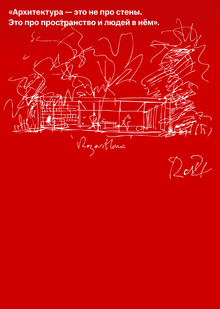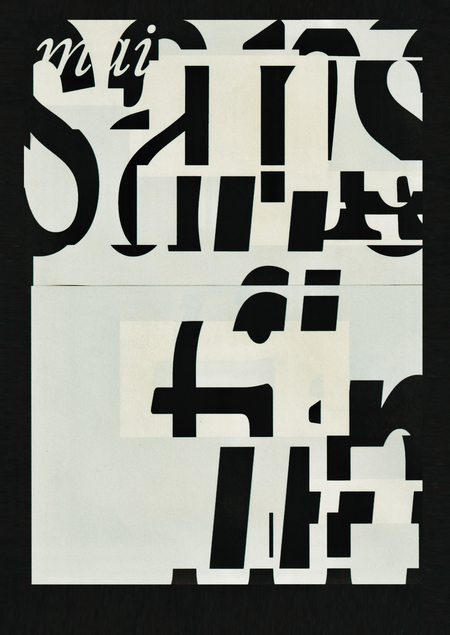
mai sans fin или бесконечный май — это книга, как сказали бы французы — té moignage — свидетельство и вместе с тем — коллаж из артефактов эпохи: дневники очевидцев, интервью, статьи, листовки профсоюзов, партий и groupuscules, вырезки из газет и плакаты формируют многоголосое и, пользуясь словом эпохи, — спонтанное повествование — полифонический нарратив, звонко резонирующий и сегодня
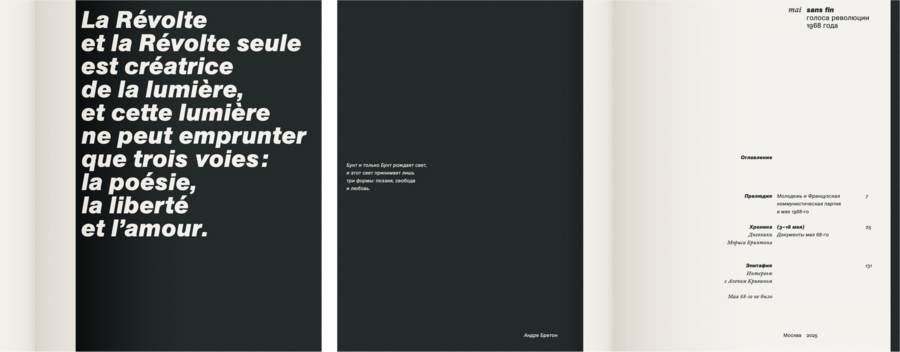
Эпиграф и титульный лист/оглавление
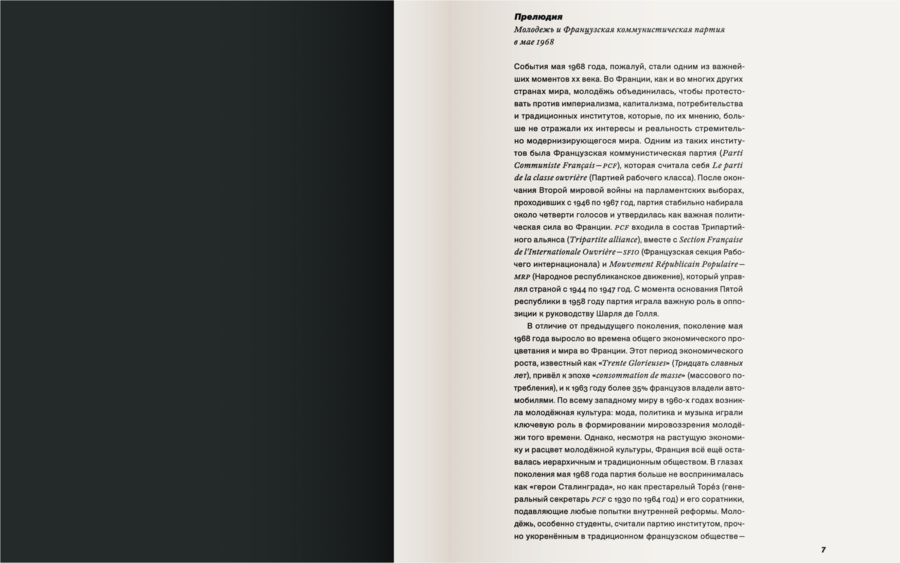
Книга начинается с исторической статьи, погружающей читателя в контекст и описывающей предпосылки назревающей революции
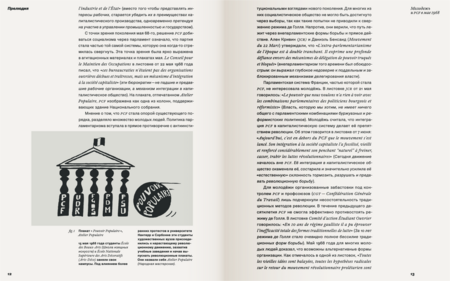
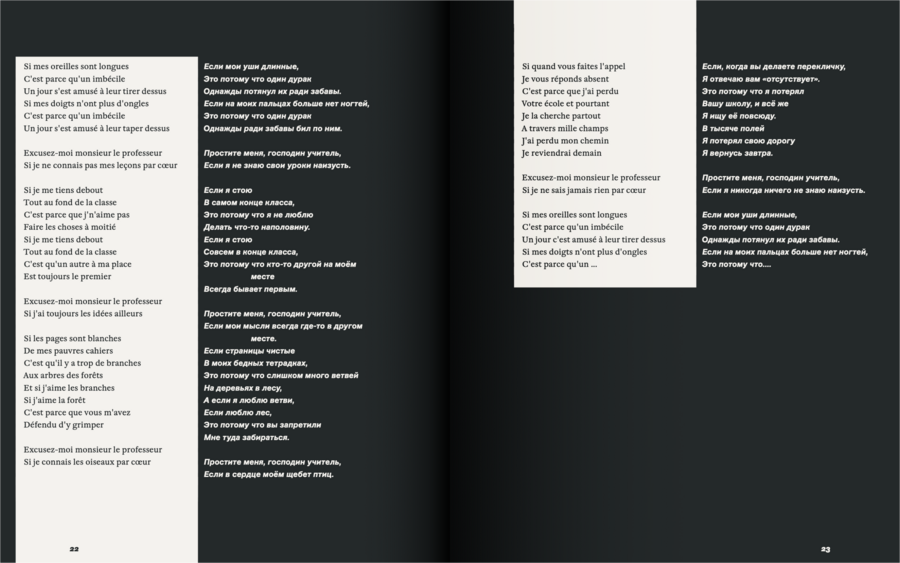
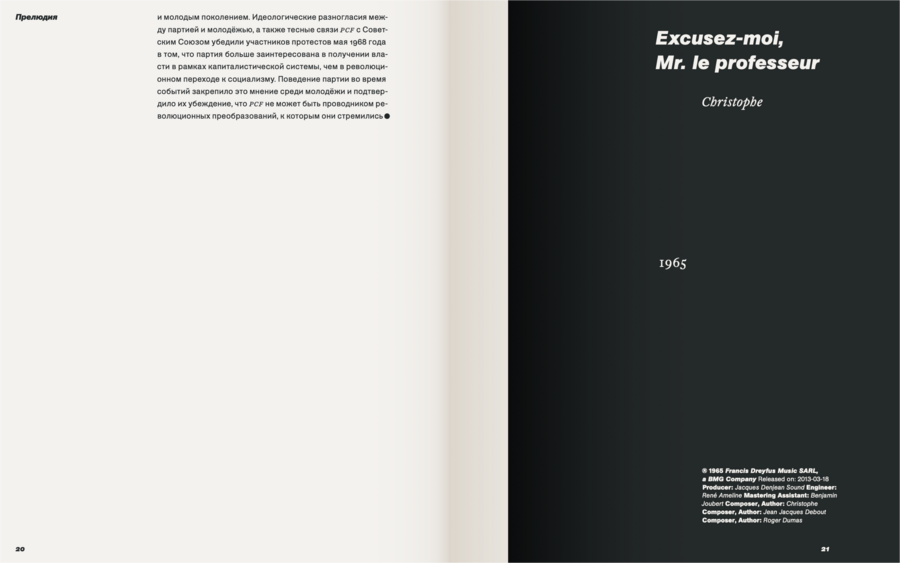
Между разделами помещены тексты французских популярных песен, отражающих настроение эпохи. Разворот заполнен черным ради разделительной функции и создания драматического эффекта
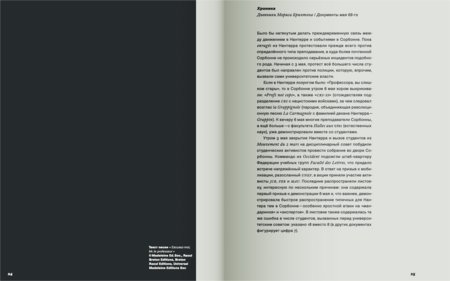
Черное из разделителя перетекает на разворот, открывающий следующий раздел
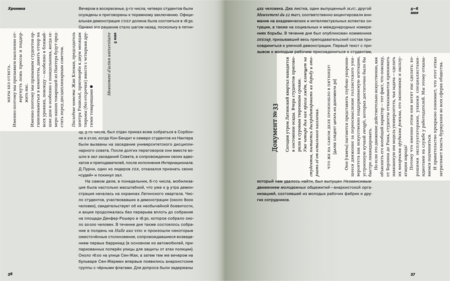
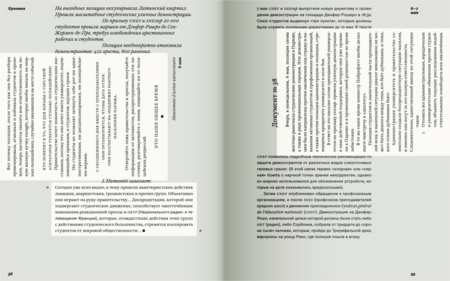
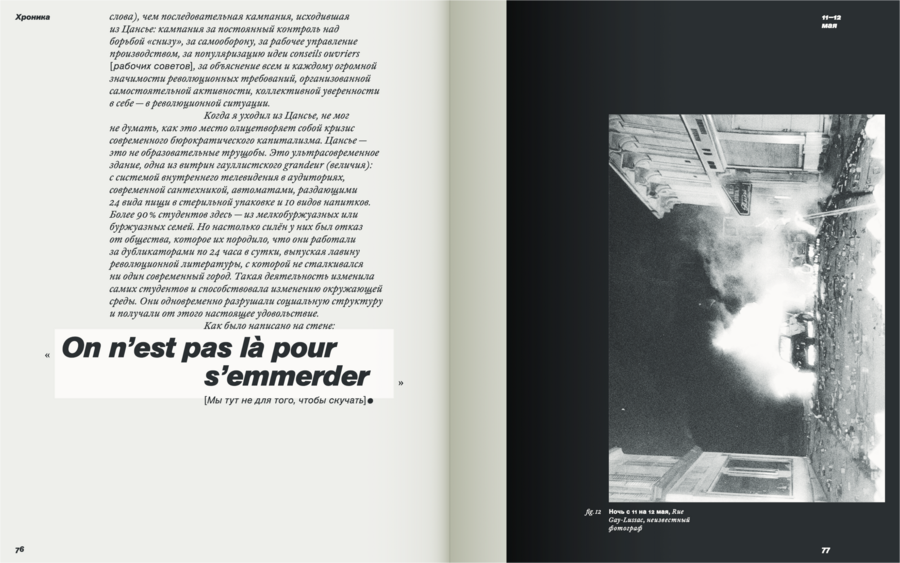
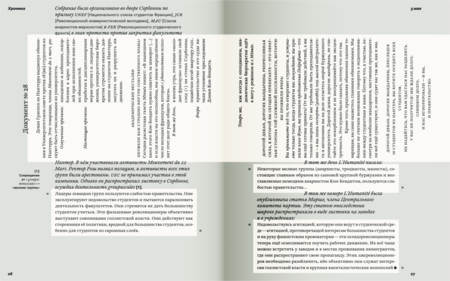
Второй раздел — хроника. Он содержит тексты из « Journal de la commune étudiante » с документами, которые повернуты на 90° и перетекают на следующие развороты
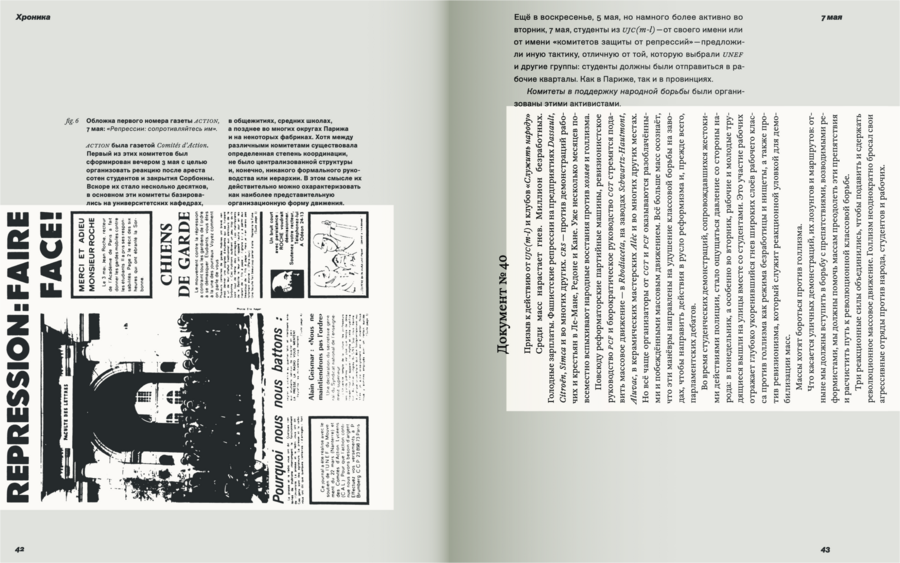
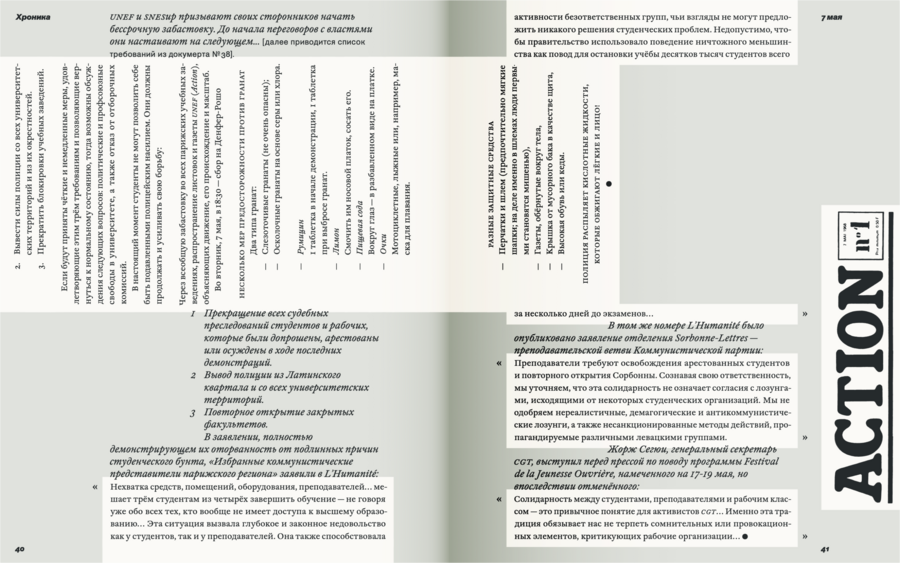
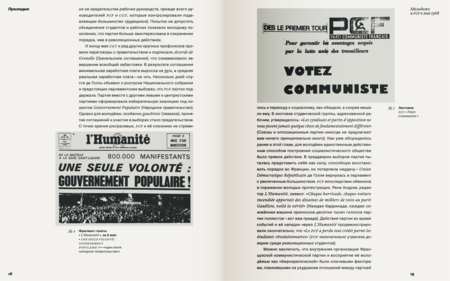
Вырезки из газет и плакаты также перетекают на следующие развороты. В хронике роль серого тона изменилась: разворот тонирован, а иллюстрации и документы проступают на естественном цвете бумаги
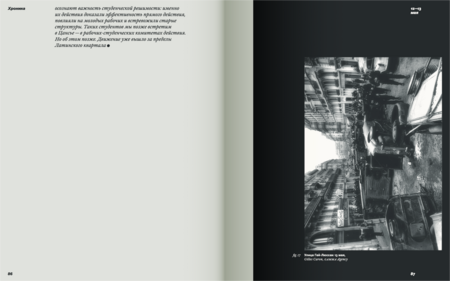
Фотографиям отведены отдельные страницы, заполненные черным. Они расположены хронологически
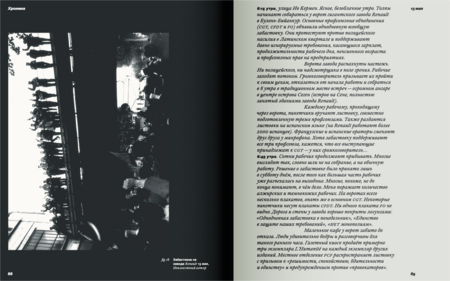
Второй текст в хронике — дневники Мориса Бринтона — набран курсивом с жестким флагом, что контрастирует с типографическим образом статей
Цитаты в основном тексте также помещаются на белые плашки, перетекающие на следующий разворот
Лозунги в тексте приведены в оригинале, также помещены на белые плашки, набраны крупно и рифмуются с эпиграфом (цитата для которого также служила лозунгом)
Черный из разделителей заканчивается на левой полосе, уступая белому или серому, но не в случае с заключительной главой — Эпитафией
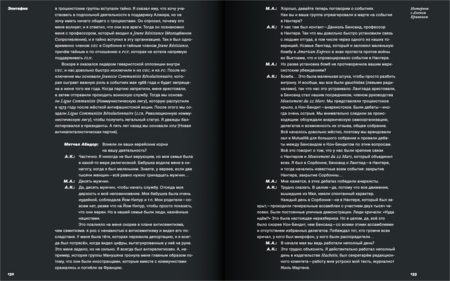
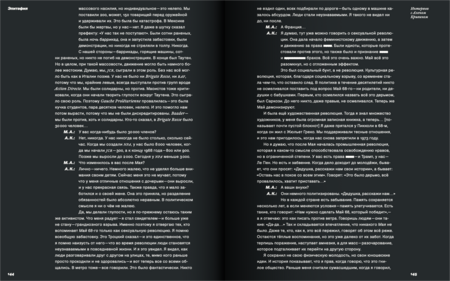
Её открывает интервью с Аленом Кривином, руководителем одной из левых организаций, принимавших активное участие в событиях мая 68-го…
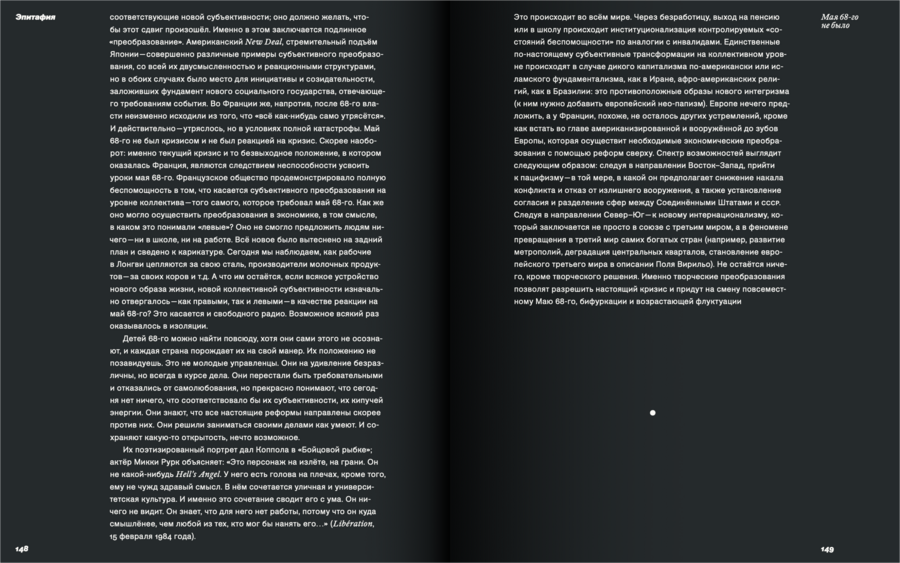
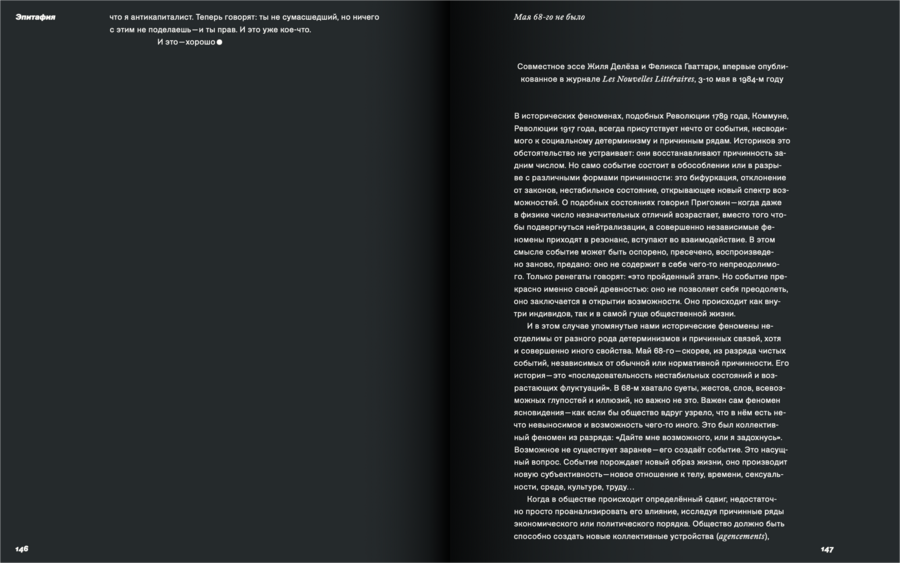
…и закрывает небольшое эссе Жиля Делёза и Феликса Гваттари «Мая 68-го не было»


Плейлист на стриминг-сервисе
Для книги был составлен треклист:
- Sea Power — Red Rock Riviera (From the Sea to the Land Beyond LP, 2013)
- Nicolás Jaar — History Lesson (Sirens LP, 2020)
- Miroslav Vitous, Terje Rypdal, Jack DeJohnette — To Be Continued (To Be Continued LP, 1981)
- Sleaford Mods, Billy Nomates — Mork n Mindy (сингл, 2020)
- John Abercrombie, Dave Holland, Jack DeJohnette — Unshielded Desire (Gateway LP, 1975)
- Massive Attack, Horace Andy — Hymn of the Big Wheel (Blue Lines LP, 1991)
- The Burning Hell — Fuck the Government, I Love You (Public Library LP, 2020)
- Thom Yorke — FeelingPulledApartByHorses (сингл, 2016)
- Salut C’est Cool — Baladeur (Maison LP, 2019)
- The Comet is Coming, Kae Tempest — Blood of the Past (Trust in the Lifeforce of the Deep Mystery LP, 2020)
- Beck — Chemtrails (Modern Guilt LP, 2009)
- The Burning Hell — Nonfiction (Public Library LP, 2020)
Тексты, использованные в книге:
- Морис Бринтон — Paris: May 1968
- Ален Шнапп — Journal de la commune étudiante [номера документов соответсвуют оригинальному изданию]
- Джек Кенни — Young People & the French Communist Party: May 1968, the final straw?
- Марк Рохан — Paris ‘68: graffiti, posters, newspapers, and poems of the events of May 1968
- Жиль Делёз и Феликс Гваттари — Мая 68‑го не было
- Митчел Абидор — May Made Me: An Oral History of the Uprising in France of 1968
- Клэр Фушеро — The ‘Darkening Sky’: French Popular Music of the 1960s and May 1968
Кураторы: Евгений Корнеев Софья Круглова Контент-консультант: Михаил Нисенбаум Дизайнер: Георгий Новиков
Гарнитуры:
- AG Book Pro (Гюнтер Герхард Ланге, Berthold, 1969)
- William Text Pro (Мария Дореули, Typotheque, 2016)
Формат: 200 × 250 mm 156 с. Бумага: Arena Ivory 120 gsm
Напечатано Владимиром Семенковым в HSE Prepress Lab, переплетено Георгием Новиковым