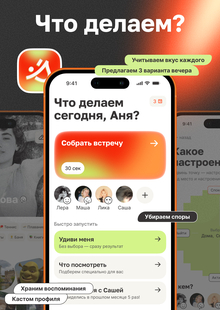
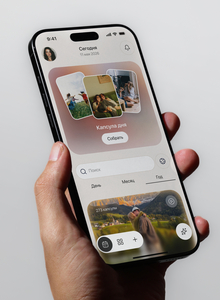
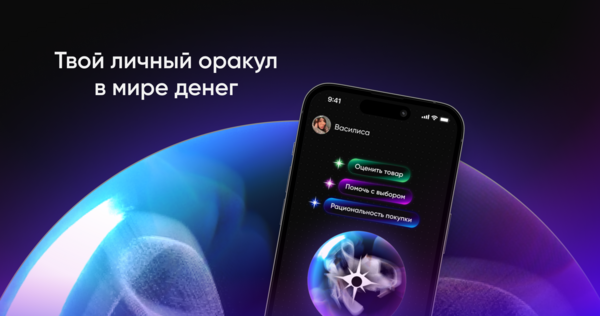
Смартфон — не миниатюрный компьютер, а экзистенциальный протез: он встраивается в телесность. Лекция объясняет, почему мобильное проектирование принципиально отличается от десктопного, что значит «проектировать внутри прерывистости» — и как роль дизайнера сдвигается от создателя красивого к формулировщику гипотез, на фоне Энди Кларка, Донны Харауэй и вопроса о новой киборгизации.
Телефон — это устройство, которое живёт в теле и повседневности пользователя. Всё, что вы здесь проектируете, будет существовать в движении, в спешке, в усталости, в холоде, при плохом сигнале и блокировках. Поэтому мобильный сервис — это особая форма проектирования, принципиально отличающаяся от дизайна для настольных компьютеров. И мы начинаем не с кнопок, а с самой сцены этого существования.
Почему мы больше не начинаем дизайн с экранов
Быстро генерируемые экраны — больше не проблема.
ИИ делает «красивое» за минуты; красивый UI стал достаточно дешёвым товаром. Чем же тогда занимается дизайнер?
Дизайнер — тот, кто формулирует гипотезу, концентрируется на главном, выбирает лучшее.
Когда экраны можно генерировать быстро, они перестают быть редкостью. Поэтому проект не может больше держаться на красоте интерфейса. Роль дизайнера сдвигается. Проектировать — это больше не означает «придумывать красивое», но — «формулировать гипотезы; доказывать, что эта задача требует мобильности; выбирать, что показывать».
📸 Параллель
Тот же сдвиг происходит в AI-фотографии. Олег Цербаев (ВШЭ ШД) различает «красивость» и «красоту»: «„красивость» — скорее механизм. Он про то, как насытить картинку выразительными инструментами, привычными и типовыми, как у всех. Красота, в противовес, — попытка выразить смысл через форму, не прибегая к штампам».
Нейросеть производит «красивость» за секунды. Ни в UX, ни в генерации она не заменяет смысл.
Мобильность — это характеристика опыта
Мобильный интерфейс разворачивается в совсем другой онтологии, непохожей на ту, в которой работает настольный компьютер.
● Телефон, фактически, стал частью тела. ● Внимание всегда рассеяно (метро, улица, спешка, усталость). ● Среда постоянно вмешивается. ● Одна рука, плохой свет, разрыв сети. ● Телефон — инструмент прерывистого, рассредоточенного действия.
Настольный компьютер требует внимания: человек должен сесть, открыть браузер, выделить время. Телефон работает в другом режиме. Его вы достаёте в спешке, одной рукой, в шуме и давке. Пока стоите в очереди, пока едете, пока думаете о чём-то другом. Необходимо проектирование внутри прерывистости, внутри телесного шума, внутри среды, которая вас отвлекает. Интерфейс должен работать с этим, а не требовать от человека непосильной внимательности.
Антропологические и онтологические импликации
Современный смартфон стал продолжением нашего тела и сознания — своего рода экзистенциальным протезом, расширением памяти, восприятия, коммуникативных возможностей. Мы постоянно носим его с собой, спим рядом, первым делом берем в руки по утрам. Он всегда на расстоянии вытянутой руки.
Это новая форма киборгизации — встраивания цифровой логики в нашу повседневность, наши ментальные и социальные практики.
Энди Кларк и распределённая агентность
Энди Кларк, философ из движения Extended mind, даже ввел специальный термин для этого феномена: wideware, «широкие» системы, включающие в себя и биологические, и технические элементы, распределенные в пространстве. Человек со смартфоном — типичный пример такой системы.
Это частный случай более общей тенденции — размывания границ человеческой субъектности, ее распределения по сетям и устройствам. Картезианская концепция автономного, самотождественного субъекта, чётко отделенного от мира объектов, больше не работает. Технологии, алгоритмы, медиа проникают в нас на микроуровне и формируют наше поведение.
Мы всегда уже «заражены» неведомым Другим — будь то бактерии в нашем кишечнике или алгоритмы рекомендаций в наших смартфонах. Наша субъектность всегда уже нечиста, всегда содержит в себе нечто чужеродное, и мы в принципе не можем полностью контролировать эти процессы «заражения». Технологии, медиа, коллективные идеологические фантазмы действуют как своего рода «нечеловеческие» акторы, проникающие в нас на микроуровне и определяющие наше поведение.
Возможно, нам стоит начинать переходить от создания дружественных интерфейсов к более радикальным и «нечеловеческим» формам, указывающим на эту фундаментальную технологическую трансформацию субъекта.
Киборгизация в хтулуцене
Донна Харауэй и её сородичи в хтулуцене
Донна Харауэй, одна из ключевых фигур современной философии технологий и феминистской теории, предлагает фигуру киборга как способ переосмысления традиционных границ — между человеком и нечеловеческим, организмом и машиной, культурой и природой. Для неё киборг — это не только человек с цифровыми имплантами, но и вообще любое гибридное существо, воплощающее размывание этих границ.
Более того, киборг для Харауэй — это политическая фигура, способ подрыва устоявшихся режимов власти и идентичности. Быть киборгом — значит ускользать от навязанных категорий, изобретать новые формы солидарности и сопротивления.
Но киборг амбивалентен. Это не только освобождение, но и новые формы эксплуатации — например, использование трекинга и Big Data для манипуляции. Осознавая себя киборгами, мы можем более критично относиться к своей технологической обусловленности и искать новые, более продуктивные способы сосуществовать с технологиями — то есть быть киборгами.
Телефон ближе к тебе, чем твоя яремная вена
В Коране есть строки: «Бог ближе к человеку, чем даже его яремная вена» (аят 50, сура 16). Телефон сейчас, конечно же, дальше от человека, чем Бог, но всё ещё ближе к человеку, чем его яремная вена. Это констатация глубокой психологической и даже физиологической связи, которая возникает между нами и нашими гаджетами.
Смартфон — к нему мы прикасаемся тысячи раз в день; это самая интимная личная вещь, продолжение нашего тела. И это накладывает особую ответственность на дизайнеров.
Это центр управления повседневностью.
Он при нас 24/7 — будильник, карта, деньги, сигнал тревоги и убежище от скуки; он крайне персонален, он — узел памяти, навигации, коммуникации, самонаблюдения. Удобство вызывает стойкую привычку, малейшее неудобство — раздражение, как от камушка в ботинке.
Любая неаккуратность, любой сбой в этом тонком эмоциональном механизме вызывает непропорционально сильное раздражение. Уродливая иконка, неточное выравнивание, подтормаживающий скролл — казалось бы, мелочи, но они могут испортить всё. Это как маленький камешек в ботинке, который бесконечно раздражает, пока его не вытряхнешь.
Интерфейс смартфона разворачивается как продолжение нашего личного пространства, нашей территории. И любое вторжение, любое нарушение его целостности воспринимается как угроза.
Эмоциональный дизайн служит способом установить доверительные, почти интимные отношения с пользователем. И, как в любых близких отношениях, здесь нет мелочей.
Более того, эмоциональный дизайн оказывается мощным инструментом дифференциации в перенасыщенном мире приложений. Когда функциональные возможности примерно одинаковы, именно эмоция и стиль становятся решающими факторами выбора.
Чем мобильное устройство отличается от других наших экранов
Главное для мобильного проектирования — набор возможностей, которых нет у компьютера. Телефон — это медиум.
Специфические особенности, которые вы должны учитывать и использовать:
● Он всегда рядом — послушный, исполнительный и интимный.
● Любой жест — это живой, телесный контакт с интерфейсом.
● Он принадлежит одному человеку — а значит, может помнить подробности и весь контекст его жизни.
● У него есть сенсоры: GPS, камера, микрофон, акселерометр, гироскоп, вибрация и так далее.
● Он знает, где находится, куда движется, и который теперь час.
● По умолчанию он онлайн (шутка про РКН) — это означает мгновенное подключение к данным, сервисам, людям.
Но есть и ограничения
Маленький экран
В отличие от настольных компьютеров и ноутбуков, мобильные устройства имеют гораздо меньшую площадь экрана. Это накладывает серьезные ограничения на количество информации, которую можно разместить на одном экране, и требует тщательной приоритизации контента.
Нестабильное подключение к интернету
Смартфоны часто используются в условиях нестабильного или медленного интернет-соединения. Чтобы обеспечить бесперебойную работу, дизайнеры должны оптимизировать приложения для быстрой загрузки, использовать кэширование данных, прогрессивную загрузку и предусмотреть режим офлайн-доступа к ключевым функциям.
Часто используются «заглушки» — у пользователя создаётся иллюзия бесперебойной подгрузки контента, хотя в действительности он видит просто анимированную графику.
Аккумулятор
Приложения, которые быстро разряжают батарею, вызывают раздражение у пользователей и могут даже привести к удалению приложения. Дизайнеры должны оптимизировать приложения для энергоэффективности, минимизировать использование ресурсоемких функций, таких как GPS или фоновая синхронизация.
Феноменология тачскрина
Тачскрин, в отличие от мыши, обеспечивает прямое, непосредственное взаимодействие с цифровыми объектами. Когда мы касаемся иконки пальцем, мы как будто действительно «трогаем» её, манипулируем ею в реальном пространстве.
В каком-то смысле, тачскрин открывает принципиально новый способ бытия-в-цифровом-мире, требующий радикального переосмысления самих основ дизайна.
Пример zero design: нет никакого смартфона, вы просто держите в руке калькулятор
Это создает ощущение естественности и «готовности-к-руке» (если использовать хайдеггеровское понятие). Конечно, это иллюзия — на самом деле мы взаимодействуем с плоскостью экрана, а не с самими объектами. Но эта иллюзия критически важна для пользовательского опыта.
Это накладывает особые обязательства на дизайнеров. Раз уж мы даем пользователю иллюзию «прямого доступа», цифровые объекты должны вести себя естественно и предсказуемо. Любой сбой этой иллюзии будет восприниматься как фрустрация, разрушение «магии» интерфейса.
Хрестоматийный пример такого сбоя — неудачный дизайн раннего приложения Kindle для iPad, где для перелистывания страниц использовался неестественный жест «свайп и отпускание», вместо простого свайпа, как в реальной книге. Многие пользователи жаловались, что это «выбивает из потока», напоминает им, что они имеют дело не с настоящей книгой, а всего лишь с её цифровым симулякром.
Парадоксально, но чем «прямее» и «естественнее» взаимодействие, тем более изощрённым должен быть сам дизайн. «Нулевой дизайн» (zero design), стремящийся к полной прозрачности интерфейса — это на самом деле результат огромной работы по оптимизации опыта.
Эргономика
Типичное использование смартфона — это одна рука, большой палец. Очень естественная и интуитивная позиция, но она создает серьезные ограничения досягаемости разных зон экрана.
В частности, до левого верхнего угла большим пальцем почти невозможно дотянуться. Именно поэтому там редко располагают важные элементы интерфейса. И наоборот, нижняя область справа — самая «горячая», там обычно находятся ключевые кнопки и опции.
Хороший дизайнер должен создавать интерфейсы, удобные и физически, и ментально. Гайдлайны платформ дают конкретные рекомендации по размерам и расположению элементов на основе исследований. Но иногда осознанное нарушение конвенций может стать инновацией (пример — «длинные» свайпы в Tinder, которые поддерживают эмоциональное действие на моторном уровне).
Четыре ингредиента в одном стакане
Человек, который пользуется вашим интерфейсом, например, в метро, несёт на себе четыре слоя нагрузки одновременно.
● Визуальная — ему нужно видеть мелкий текст в плохом свете, нужно найти нужный элемент среди других. ● Когнитивная — ему нужно понять, что здесь делать, помнить схему приложения, а его мозг уже занят десятью другими вещами. ● Моторная — ему нужно попасть одним пальцем в маленькую кнопку, пока рука трясётся от движения поезда. ● И контекстная — шум, спешка, толпа, прерывистое внимание, и сейчас ему нужно на другую станцию.
Если контекстная и моторная нагрузка уже высоки, необходимо уменьшать визуальную и когнитивную.
Вопрос этики, а не эстетики
Редукция в мобильном UI — форма сочувствия.
● Убрать всё, что отвлекает от действия. ● Предложить один путь, одно решение, один выбор. ● Не требовать мышления там, где нужна спешка. ● Не конкурировать с миром, который и так уже отвлекает человека.
Когда человек спешит, суетится, растерян, сомневается — в его распоряжении ровно столько когнитивных ресурсов, сколько нужно ему для выживания. Ваш интерфейс не должен их похищать. Редукция — это не дизайнерское упрощение, а форма уважения к перегруженности человека. Вы убираете лишнее не потому, что вам нравится минимализм, а потому, что каждый элемент — это конкуренция за ресурс, которого у человека нет.
Интерактив 1. Уберите лишнее
Формат: FigJam. 12–15 минут.
Задание студентам:
Найдите перегруженный экран приложения — городской сервис, нейросеть, здоровье, что угодно. На экране одновременно могут быть, например:
● карта или основной контент, ● 4–5 конкурирующих кнопок (CTA), ● баннер с акцией, ● новости или ленту, ● поиск, ● профиль, ● рекомендации.
Ваша задача:
За 5 минут вы уменьшаете этот экран до одного главного действия. Не рисуете — просто пишете на скриншоте или в соседней доске:
● ОСТАВИТЬ — это ядро ● УБРАТЬ — это шум ● ПОНИЗИТЬ — это контекст второго уровня ● ОБЪЕДИНИТЬ — это можно слить в одно меню
Потом одной строкой: в какой ситуации жизни нужен этот экран?
Что я буду разбирать:
2–3 особенно показательных редакции: ● одну, где убрали слишком много (и как исправить), ● одну, где ядро ясное (и почему это сработало), ● одну, где студент переосмыслил ситуацию (и как это изменило выбор).
Что это проверяет:
Умеете ли вы редуцировать под конкретное действие, а не просто украшать?
Один экран — одна доминанта
Вы должны ответить за три секунды: что здесь главное?
Главным может быть:
● Одно действие (отправить платёж, заказать такси) ● Одно решение (выбрать дату, согласиться) ● Одно чтение (срочное сообщение) ● Один выбор (куда идти)
Если не видно за три секунды — экран перегружен. Перестраивайте.
Это не значит, что на экране может быть только один элемент. Просто вся композиция, иерархия, цвет и движение должны вести к одной точке внимания.
Смотрите на экран свежим взглядом. За три секунды поняли, что здесь главное? Если нет — что-то не так. Может быть, слишком много конкурирующих элементов. Может быть, главное спрятано под второстепенным. Может быть, нет ясной иерархии. Мобильный интерфейс не может себе позволить неясности. Человек не будет разбираться, он просто свернёт и откроет другое приложение.
Забудьте про «целевую аудиторию». Проектируйте состояние
Когда дизайнер говорит «наша целевая аудитория — молодые люди 18–25 лет», это бесполезная информация. Один и тот же молодой человек утром — сонный и машинальный, днём — спешит, вечером — исследует, ночью — паникует. В разных режимах нужно разное. Когда вы проектируете приложение для «человека вообще», оно работает ни для кого. Забудьте про демографию. Спросите: в каком конкретном состоянии находится человек, когда он открывает мой интерфейс прямо сейчас?
Представьте: вы едете в трамвае, одной рукой держитесь за поручень, в другой — смартфон. В таких условиях любая сложность интерфейса воспринимается как насилие над пользователем. Дизайнер должен брать выбор на себя, освобождая юзера от необходимости принимать решения.
Один экран — одно действие, одна мысль, один гештальт. Это создаёт ощущение контроля и целостности, позволяет сохранить фокус.
Deeplyapp
Хорошие примеры такого подхода — приложения для медитации вроде Headspace. Каждый экран — отдельная медитация, с минимумом настроек и отвлекающих элементов.
Три контекста
Рассмотрим три ключевых контекста использования мобильных приложений.
Скучающий
В такие моменты мы ищем быстрых развлечений, коротких «дофаминовых петель». Здесь задача дизайнера — создать циклы быстрых вознаграждений, удерживающих внимание.
Яркий пример — механика pull-to-refresh в соцсетях, когда каждое обновление ленты приносит микродозу нового контента. Или система наград и бонусов в игровых приложениях. Этическая сторона таких «петель» сомнительна, но их эффективность неоспорима.
Экстренный
В ситуациях спешки, под давлением обстоятельств, нам нужен минимализм и концентрация на главном, надёжность, безошибочность и скорость работы.
Поэтому экстренные сценарии требуют особого минимализма и концентрации на главном. Никаких лишних опций, никакого визуального шума — только самые необходимые элементы, крупные кнопки, четкие указания.
Хороший пример — интерфейс приложения Uber, где вызов машины производится парой тапов по большим кнопкам
Заблудившийся
В непривычной обстановке на первый план выходят навигация, поиск, рекомендации. Интерфейс должен быть понятным компасом, проводником в незнакомом пространстве.
Хороший пример — приложения для путешественников вроде Foursquare или Lonely Planet, которые сочетают четкие маршруты и рекомендации с элементами спонтанности.
К какому контексту относится Netflix?
Конечно, эти три контекста не исчерпывают всего многообразия сценариев использования мобильных приложений. Но они задают хорошую базовую рамку для дизайн-мышления. В каждом случае мы имеем дело с особым психоэмоциональным состоянием пользователя и особыми условиями среды — и наша задача в том, чтобы адаптировать интерфейс под эти состояния и условия.
По сути, хорошее мобильное приложение должно быть чутким собеседником, подстраивающимся под наше состояние и ситуацию. Развлекать, когда скучно, поддерживать в стрессе, направлять, когда потерялись.
Интерактив 2. В каком состоянии пользователь?
Формат: FigJam. 10–12 минут.
Три ситуации, которые я описываю:
Спешка: Человек бежит из метро на электричку. Осталось 4 минуты до отправления. Он держит в одной руке сумку, в другой телефон.
Блуждание: Человек впервые гуляет по незнакомому городу. У него есть время и нет четкого плана или маршрута. Он изучает переулки, открывает много вкладок, отвлекается.
Страх: Ночь. Человек в части города, где ему неуютно. Ему нужен безопасный маршрут домой срочно. Рука трясётся, внимание сужено.
Ваша задача (для каждой ситуации):
⚫️ В каком режиме находится пользователь? (скучающий, экстренный, заблудившийся?) ⚫️ Какая нагрузка здесь главная? (визуальная, когнитивная, моторная, контекстная?) ⚫️ Что интерфейс не должен делать в этой ситуации? (запретите себе одно). ⚫️ Что должно стать главным действием на экране? (одно, не два).
Напишите в доске 4 строки для каждой ситуации.
Что я буду разбирать:
2–3 особенно точных ответа: ⚫️ где студент точно назвал главную нагрузку, ⚫️ где студент понял, что интерфейс мешает больше, чем помогает, ⚫️ где студент видит разницу между тремя ситуациями (не одно решение на всех).
Что это проверяет:
Видите ли вы, что мобильный интерфейс проектируется не для роли пользователя, а для его состояния в конкретный момент?
Главный вопрос, который вы должны задавать всегда: почему это должно быть приложением, а не сайтом?
Может быть, это вообще не интерфейсная задача, а систематическая проблема. Но если приложение действительно нужно — вы должны уметь назвать, что именно его оправдывает. Спросите себя:
● Зачем это в телефоне, а не в браузере настольного компьютера? ● Что даёт мобильность именно в этой задаче? ● Геолокация? Камера? Персональность? Срочность? Работа на ходу? Push-логика? Телесный жест как форма мышления? ● Какая часть решения невозможна без мобильного устройства?
Два формата проекта в этом модуле
В этом модуле вы можете идти двумя путями.
Первый — приложение, которое решает конкретную пользовательскую задачу. Человек открывает его, чтобы достичь конкретной цели. Это может быть скучно проектировать, но это должно работать.
Второй путь — приложение как исследование. Как способ пересобрать опыт, восприятие, движение по городу, внимание. Приложение может быть философским, экспериментальным, может вообще не быть коммерческим.
Но это две разные вселенные? Нет, это один образовательный стандарт. В обоих случаях вам нужна гипотеза, нужно понять контекст, нужна логика сценария, нужен прототип, который работает. Различие только в том, что пытается сделать ваш интерфейс: решить задачу или переосмыслить опыт.
Интерактив 3. Одна идея — две версии
Формат: FigJam + групповое обсуждение. 15–18 минут.
Задание индивидуально (5 минут):
Придумайте одну идею мобильного приложения (любую — от банка до психогеографического дрейфа).
Потом описать эту идею в двух версиях:
Версия А: как продукт
● Какую конкретную задачу решает? ● Для кого? ● В чём практическая польза?Пример: Приложение безопасных маршрутов ● Решает: помочь человеку найти самый безопасный путь в незнакомом городе. ● Для: туристы, женщины, люди с тревогой. ● Польза: снижение риска, уверенность, спокойствие.
Версия Б: как исследование опыта
● Какой режим восприятия или отношения к среде исследует? ● Что приложение позволит пережить (не просто сделать)? ● Что изменится в том, как человек видит город?Пример: То же приложение, но как исследование. ● Исследует: психогеографию города — чего и как мы боимся, как мы чувствуем себя в пространстве, как наша внутренняя карта отличается от реальной. ● Позволяет пережить: переоценку города, смену отношения к знакомым улицам. ● Изменится: способ, которым мы движемся по городу (не путь, а внимание к пространству).
Что я буду разбирать (групповое обсуждение, 10 минут):
2–3 особенно интересных идеи: ● где версия А очень ясная и практическая, ● где версия Б неожиданно глубокая (интерфейс как исследование), ● где одна идея разворачивается в две совсем разные логики.
Что это проверяет:
Поняли ли вы, что один интерфейс может быть решением задачи ИЛИ исследованием опыта в зависимости от того, как вы на него смотрите? Что обе версии требуют одинаковой дисциплины, но разного выбора фокуса?
Роль дизайнера в эпоху генеративных инструментов
Красивые экраны ИИ делает быстро, красиво и правдоподобно. Если задача уже лежит в культурной колее — мобильный банк, такси, доставка еды — он выдаст убедительный результат очень быстро. И это будет казаться нормальным. Но нормальное и хорошее — не одно и то же.
Ваша роль — выбирать, отсекать, проверять, держать рамку гипотезы. ИИ — производитель материала. Вы — носители вкуса, критериев, суждений.
Поэтому мы здесь начинаем не с мудбордов или рефбордов, а с самого трудного: с понимания того, почему предлагаемое нами решение должно жить именно в телефоне человека.
Правила работы с ИИ в этом модуле
Прежде чем мы пойдём дальше — договоримся о правилах. Они действуют на весь модуль, на все восемь занятий.
ИИ в этом курсе разрешён. Pencil, v0, ChatGPT, Claude, Midjourney, что угодно ещё — можно. Более того, на последнем занятии мы будем специально разбирать, как собирать ИИ-пайплайн для мобильного проекта. Запрета нет.
Но есть условие: ИИ должен быть видимым.
Что это значит на практике:
Документируйте. Если вы использовали генеративный инструмент — покажите, какой именно, на каком этапе и зачем. Не список названий, а объяснение решений: «Я попросил Pencil сгенерировать 40 экранов, выбрал 6, потому что…», «ChatGPT помог структурировать Job Stories, но я переписал формулировки, потому что…».
Показывайте отсечение. Самое интересное — не то, что вы взяли из ИИ-результата, а то, что вы не взяли и почему. Это и есть проектное суждение. Журнал отсечений — часть вашей финальной сдачи.
Не выдавайте сгенерированное за самостоятельное. Это единственное, что действительно является нарушением. Не факт использования ИИ, а скрытость этого факта.
Факт использования ИИ не снижает оценку. Оценивается не «чистота», а качество вашей работы с ИИ как со средой: уместность, прозрачность, осмысленность отбора, способность объяснить решения.
Минимальный пакет ИИ-документации к просмотру
● Карта пайплайна: какие инструменты, на каком этапе, для чего.
● Краткий лог отбора: что принято, что отклонено, почему.
● Ответ на один вопрос: где проходит граница между тем, что сделал инструмент, и тем, что решили вы?
Мы вернёмся к этому на последнем занятии, когда будем собирать презентацию. А пока просто запомните: ИИ — среда, а не фетиш. Документировать, сравнивать, решать самому.
Три философские линзы
Чуть перенастроим оптику, и нам откроются ещё три способа думать о мобильном устройстве, которых нет в стандартных курсах по UX-дизайну — из философии техники, тёмной онтологии и нигредо-дизайна.
Линза 1. Фармакон: телефон — яд и лекарство в одном стакане
Бернар Стиглер, философ техники, заимствовал у Деррида и Платона понятие фармакон (φάρμακον) — вещь, которая одновременно является и лекарством, и ядом. Письменность — фармакон: расширяет память, но ослабляет способность запоминать. Фотография — фармакон: сохраняет момент, но подменяет живое переживание.
Смартфон — фармакон в чистом виде.
Он расширяет память — и делает зависимым от внешнего хранилища. Соединяет с людьми — и изолирует от тех, кто рядом. Даёт навигацию — и разрушает способность ориентироваться без GPS. Делает мир доступным — и делает вас доступным миру, его нотификациям, его тревоге.
Стиглер настаивает: яд невозможно отделить от лекарства. Каждая функция, которую вы проектируете, одновременно помогает и отравляет. Push-уведомление, которое напоминает о важном, — оно же прерывает сон. GPS, который ведёт к месту, — он же убивает навык блуждания. Четыре ингредиента нагрузки из нашей лекции — визуальная, когнитивная, моторная, контекстная — это четыре фармакологических канала: каждый из них можно облегчить (лекарство), но само облегчение порождает новую зависимость (яд).
Вывод для вашего проектирования: каждое решение в мобильном интерфейсе — фармакологическое. Вопрос не «полезно или вредно?», а «как сдвинуть баланс в сторону лекарства, зная, что яд не исчезнет?». Проектируйте не «пользу», а дозировку.
Линза 2. Тёмные медиа без адресата: нечеловеческий актор в кармане
В статье «Putrefactio культуры» мы разбираем мысль Юджина Такера о тёмных медиа — технологиях, которые не транслируют смысл, а открывают проём, где человеческое переходит во внечеловеческое. Проклятая видеокассета из «Звонка» ничего не сообщает, но инициирует событие, которое нельзя отменить.
Рекомендательный алгоритм вашего смартфона — тёмный медиум par excellence. Он не знает, что он «делает»; его операции происходят в чёрном ящике, непрозрачном даже для инженеров. Подлинный ужас не в том, что нами «манипулируют» (это было бы по-человечески понятно), а в том, что манипуляции нет. Есть самовоспроизводящаяся система, индифферентная к человеческому, которая тем не менее формирует ваш аффективный ландшафт — что вы видите, чего боитесь, чего хотите.
Мы уже говорили: «нечеловеческие» акторы проникают в нас на микроуровне и определяют поведение. Тёмные медиа — точное имя для этого процесса. Ваш телефон — не нейтральный инструмент и не злонамеренный манипулятор. Он — нечто третье: объект, чья реальная внутренность принципиально недоступна, но чьё действие на вас — вполне реально. Такер назвал бы его не Пеннивайзом (у того есть намерение), а скорее Азатотом — слепым безумным богом, вокруг которого пляшут безымянные флейтисты.
Вывод для вашего проектирования: проектируя мобильный сервис, вы подключаете пользователя к экосистеме тёмных медиа. Алгоритмы, которые будут работать внутри вашего приложения — рекомендации, ленты, пуши — это не инструменты вашего контроля. Это нечеловеческие акторы со своей логикой. Ваша задача — не притворяться, что вы их контролируете, а сделать их присутствие видимым для пользователя.
Линза 3. Прокол пузыря: интимность как онтологический риск
Развивая в книге «Нигредо» идеи объектно-ориентированной онтологии Грэма Хармана, я ввожу концепцию «чёрной пены». Каждый объект — человек, собака, шрифт, алгоритм — изолирован стенкой изъятости: его реальная внутренность принципиально недоступна для другого. Мы всегда уже одиноки. Контакт между пузырями возможен только через прокол — акт, всегда рискованный, иногда болезненный.
Телефон, который «ближе к вам, чем ваша яремная вена», — это устройство непрерывного прокола. Он пробивает стенку вашего пузыря сотнями микроотверстий в день: нотификация, звонок, сообщение, обновление ленты. Каждый прокол — контакт с чужим: с чужой радостью, чужой тревогой, чужой рекламой, чужим мнением.
Прокол может быть нежным — то, что мы в «Нигредо» называем «миролобзание»: готовность быть затронутым вещью без стремления её присвоить. Тихое сообщение от друга, полезный маршрут, мягкое напоминание. И прокол может быть жестоким — бесконечный скролл, паническая нотификация, dark pattern, который загоняет в воронку.
Когда мы говорим «камушек в ботинке» — мы описываем именно это: микропрокол, который нарушает герметичность пузыря и причиняет непропорциональное раздражение. Интерфейс, который «не работает», — это прокол в неправильном месте: вместо контакта с миром вы получаете контакт с вещностью самого устройства. Интерфейс из подручного становится наличным — обнаруживает себя как чужеродную тупую вещь.
Вывод для вашего проектирования: интимность смартфона — не метафора. Это онтологический факт: устройство прокалывает вашу изоляцию сотни раз в день. Проектируйте качество прокола: чтобы контакт с миром через ваш интерфейс был нежным, а не жестоким. Чтобы нотификация была миролобзанием, а не вторжением. Чтобы четыре слоя нагрузки — визуальная, когнитивная, моторная, контекстная — не превращали каждое касание экрана в ещё одну рану на стенке пузыря.
Что вы должны вынести из этой лекции
Из этой лекции вы выносите не красивый мудборд и не идею приложения — а названную ситуацию использования (где, когда, в каких обстоятельствах, в какой среде); понимание состояния пользователя — его режим, его нагрузку; объяснение, почему задача не решается сайтом; первую черновую гипотезу.
Мини-задание прямо сейчас
Каждый за 3 минуты описывает одну ситуацию из своей жизни, где мобильный интерфейс спас или подвёл.
Домашнее задание: полевая этнография
Увидеть мобильный UX не в макете, а в жизни.
Зафиксируйте 3 реальных эпизода использования смартфона:
Для каждого эпизода запишите: ● Где и когда это было (место, среда, время суток). ● Состояние человека (спешка, скука, страх, концентрация). ● Что он делал (цель действия). ● Что сработало (удобно, быстро, интуитивно). ● Что помешало (путаница, глюк, неудобство). ● Какая нагрузка была главной (визуальная, когнитивная, моторная, контекстная).
Потом выберите 1 эпизод и напишите:
Какой принцип из лекции этот эпизод подтверждает или опровергает?
Итоговая формула
Мобильное приложение — это форма организации действия внутри чьей-то телесности и повседневности.
Это простая, но жёсткая максима. Если ваш проект не организует реального действия, если он не входит в действительную жизнь человека, то это пока не приложение, а набор экранов — красивый, может быть правильно спроектированный, но всё ещё набор, а не сборка.
Дизайн интерфейсов — это практическая гуманитаристика.