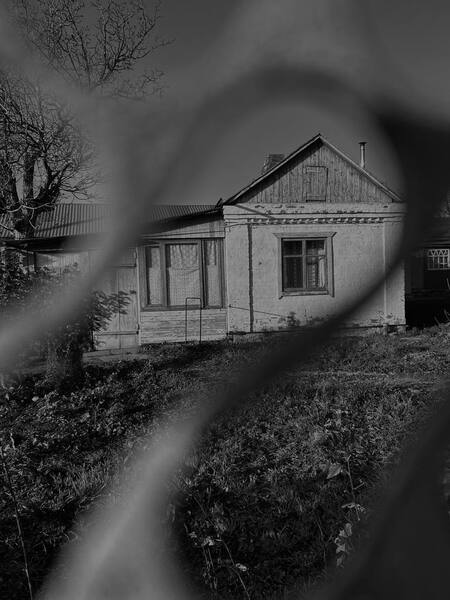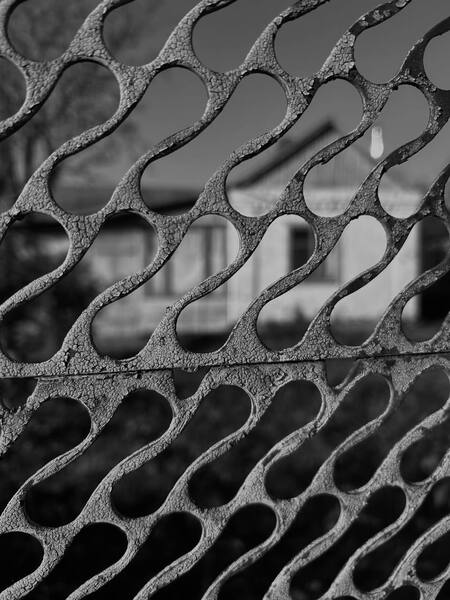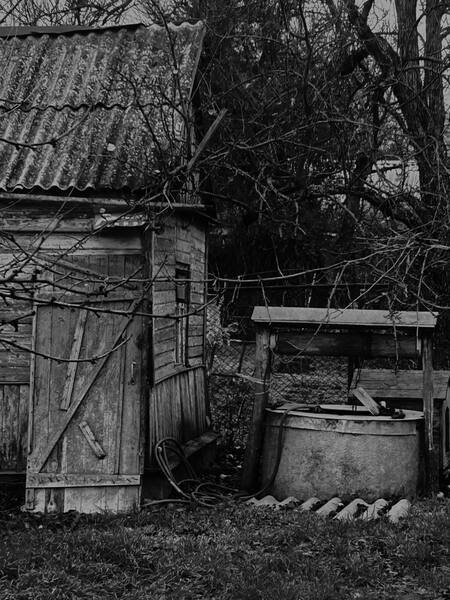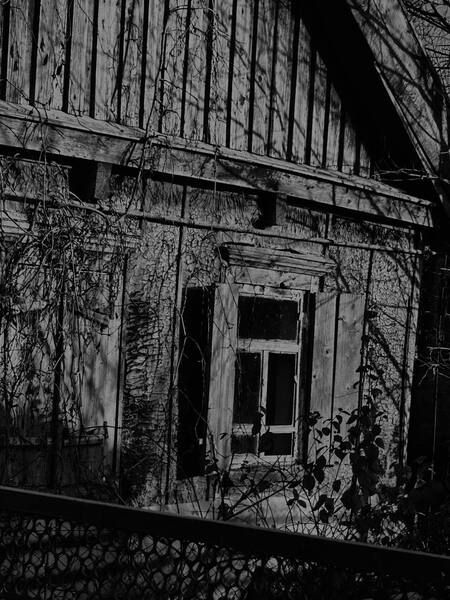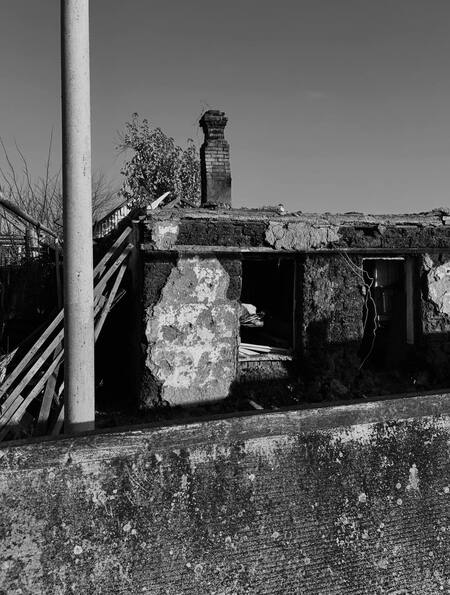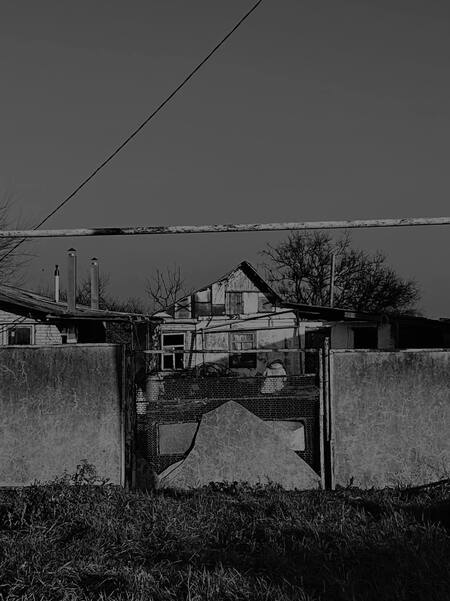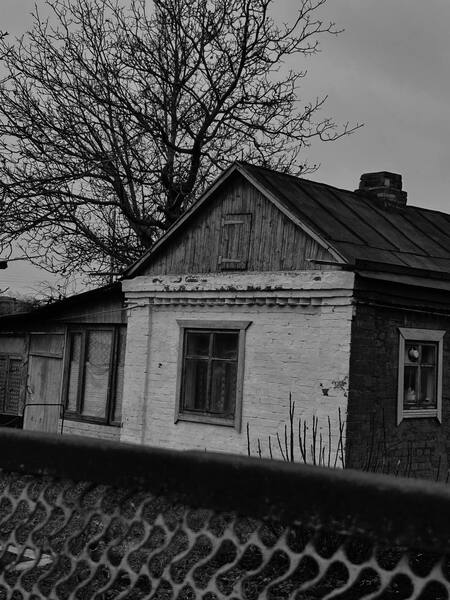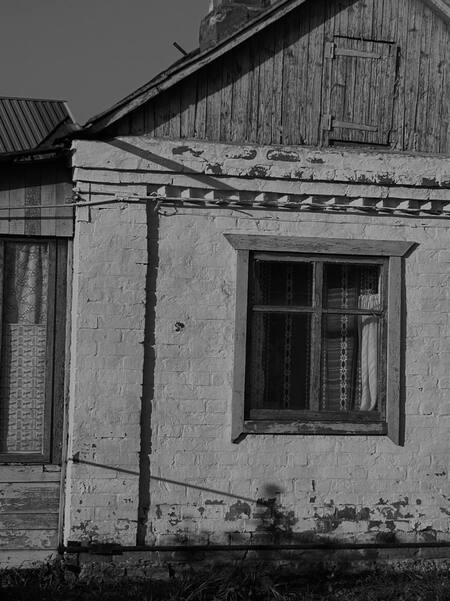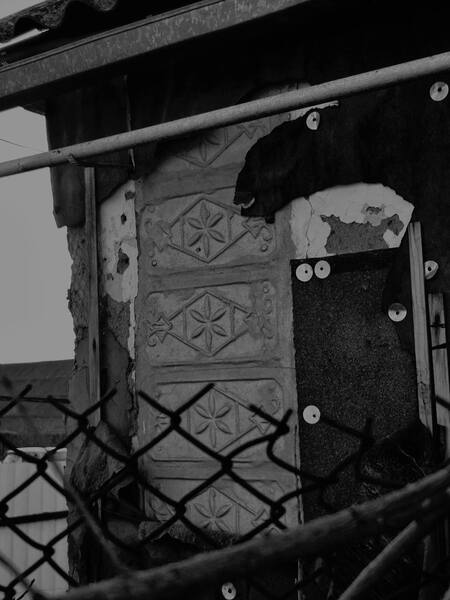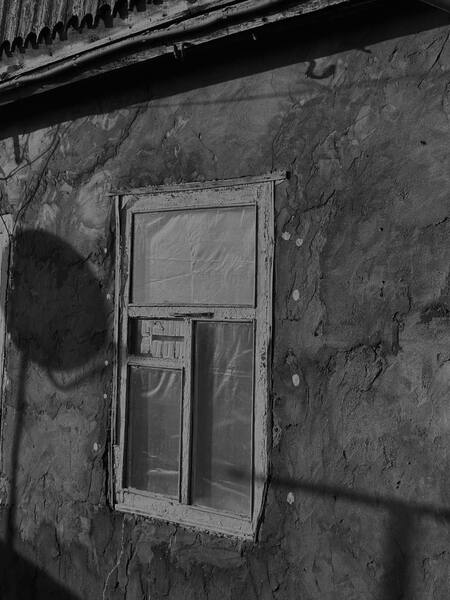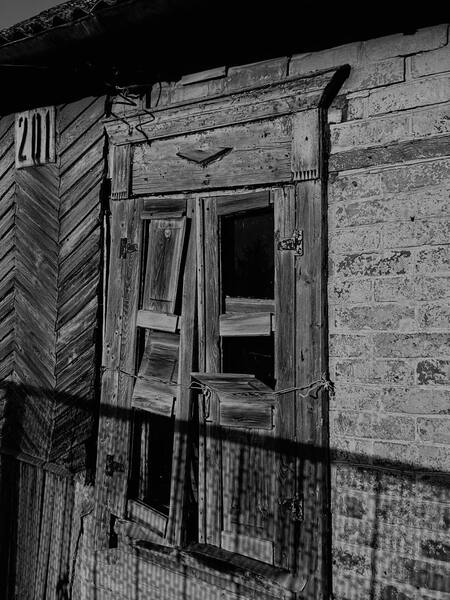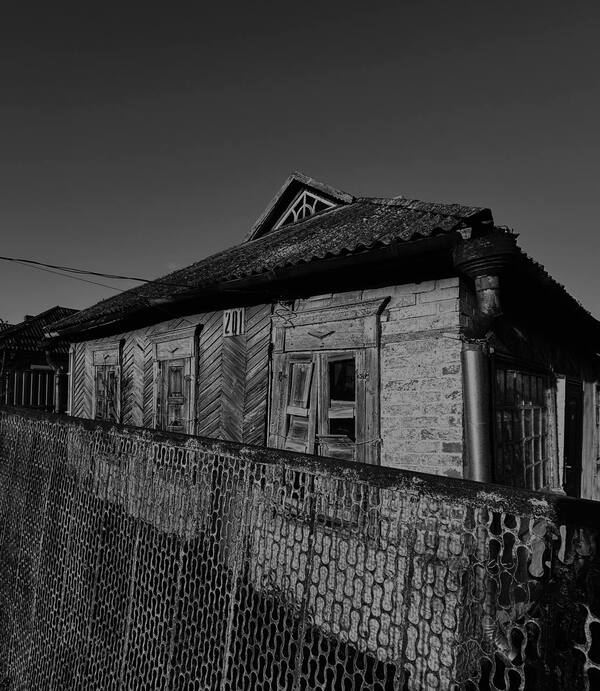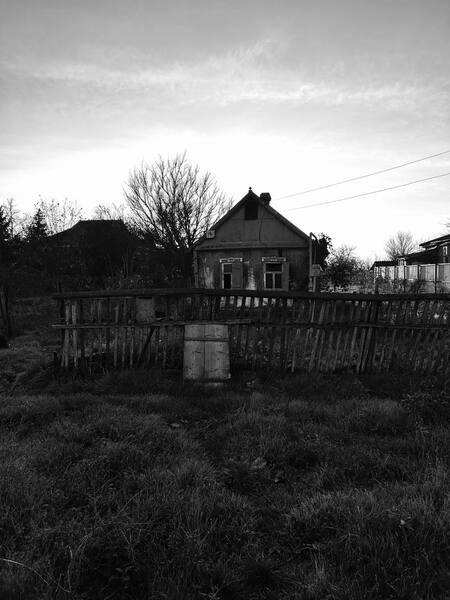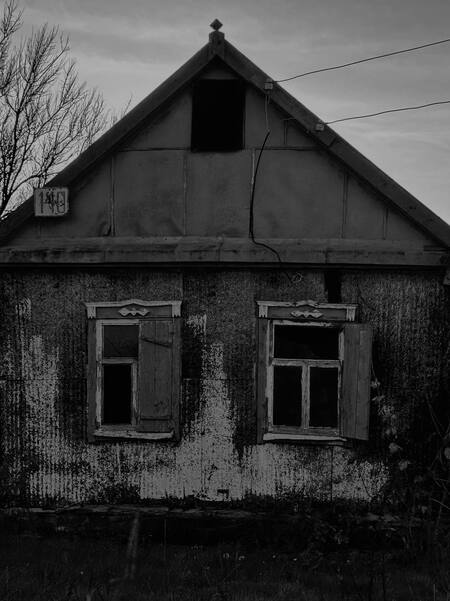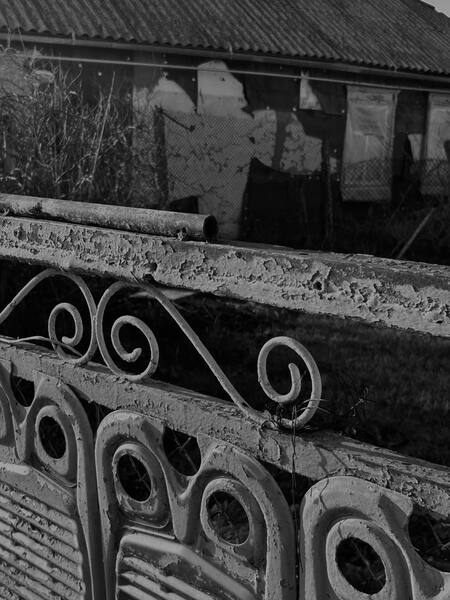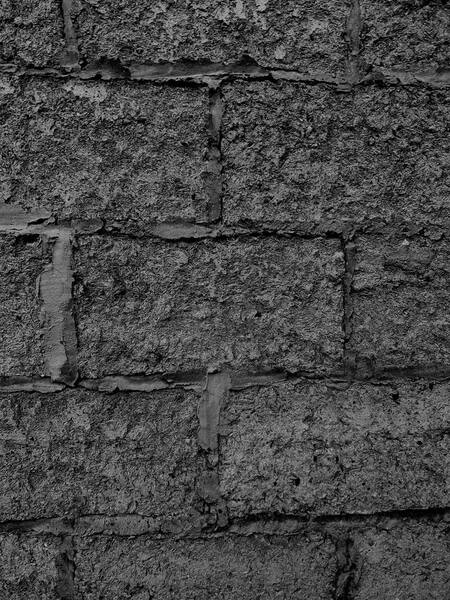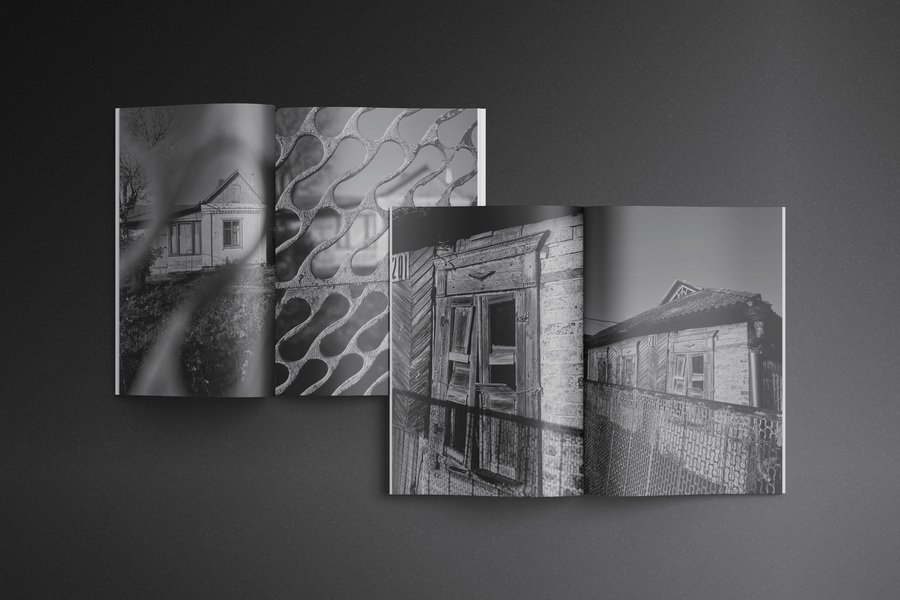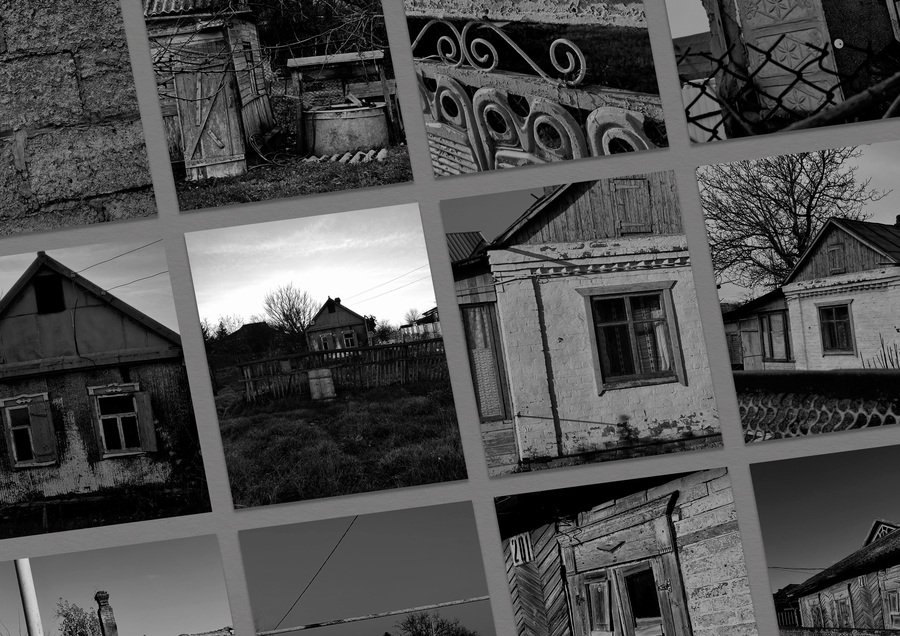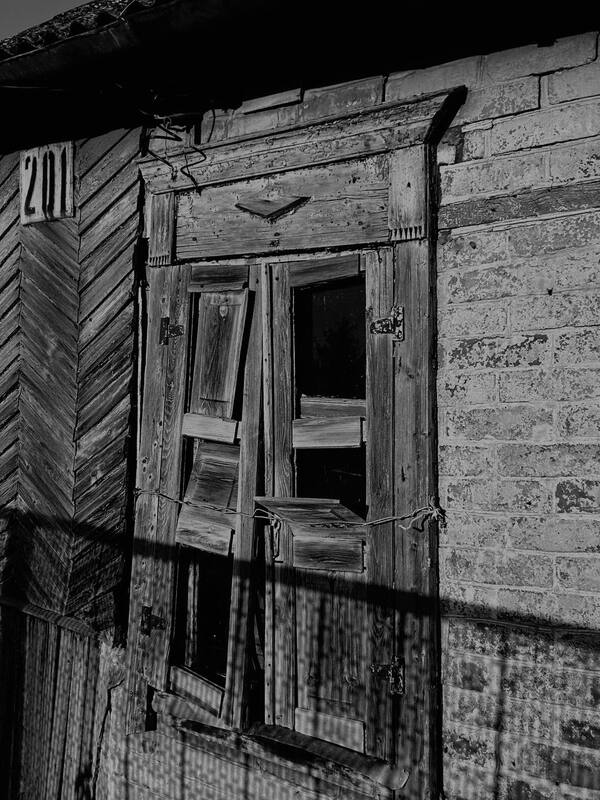
Мой предмет — это старые, заброшенные или полузаброшенные дома и хаты, в сельской местности. Меня интересует не просто архитектура в состоянии упадка, а то, как эти пространства становятся «телом» памяти — коллективной и личной. Я исследую материальные остатки ушедшей жизни: осыпающийся фасад, заросшие огороды, оставленные вещи, просевшие потолки. Это археология недавнего прошлого.
«Память» это проект о пространстве о на границе между существованием и разрушением — места, где ни одна из этих категорий не существует в чистом виде. Эти ландшафты не являются ни идиллическими, ни катастрофическими, они находятся в состоянии постоянного компромисса. Человек в этих пространствах присутствует опосредованно — через следы, инфраструктуру, вмешательства. Я намеренно избегаю событийности и драматургии, работая с нейтральным светом и дистанцией, позволяющей рассматривать происходящее как систему, а не как отдельный эпизод. Идя по своему обычному маршруту прогулки, изучаю старые хатки, которые хранят в себе историческую и личную память. Эти изображения не фиксируют трансформацию как процесс, но показывают состояние, когда дом практически не подлежит восстановлению, и несёт за собой память для хозяев.
Я утверждаю, что заброшенный дом — это не конец истории, а её переход в иное, более сложное состояние. Это не просто руины, а активное пространство диалога между культурой и природой, прошлым и настоящим. Я вижу в этом процессе не только трагедию утраты, но и своеобразную поэзию трансформации, где человеческая память становится частью экосистемы, «удобрением» для новых смыслов.