

Critical communication theory argues that messages are never neutral — they exist inside systems of power and culture. In design, this means that every symbol, material, and visual choice carries influence shaped by social structures. This questioning lens originated with the Institute for Social Research, which emphasized that media and culture can shape perceptions more strongly than logic alone. A designer must therefore understand not only aesthetics, but the mechanics of influence.
Interdependence theory shows that relational outcomes depend on mutual influence rather than individual intent. A brand message works only when outcomes align with expectations, or when identity rewards exceed perceived relational costs. This logic allows design communication to predict emotional investment and benchmarks for satisfaction.
Social identity theory states that people build their self-esteem through groups and shared symbols. A brand becomes part of someone’s identity when it provides distinctive membership signals that balance belonging and differentiation. For MÉTAL, metal functions as a visual language of confidence, urban belonging, and rebellion — making accessories not just products, but identity anchors.
Equity theory explains that relationships feel stable when rewards and contributions feel fair. This shifts the role of a brand from «selling objects» to maintaining fair meaning exchange — where emotional resonance, inclusiveness, durability, and personalization reduce distress and support loyalty.
Thus, communication-based design is a meaning architecture that balances power critique, identity rewards, relational expectations, and fairness. A strong brand communicates not by decoration, but by predictable cognitive and emotional systems, enabling genuine connection through design.
for a general audience
MÉTAL is not jewelry. It is identity.

outdoor advertising
• For rebels who break rules, explorers who seek meaning, and creatives who refuse to blend in. The brand’s communication is built using cognitive shortcuts from the Explorer Archetype and the Rebel Archetype, which help people instantly «feel» the brand rather than analyze it. • Urban metal accessories that are safe for your skin, strong enough for daily wear, and designed to evolve with you. They function like a visual signature in the city — subtle from afar, magnetic up close. • Sustainable production principles are expressed not through lectures, but through choices you can notice and trust: recyclable materials, minimal packaging, and a mindset that prefers longevity over replaceability.
The tone of MÉTAL isn’t about selling or convincing. It’s shaped like an internal dialogue many already recognize in themselves: a quiet resistance to templates, a curiosity toward what’s next, and the belief that even the smallest detail can say something real about a person.
outdoor advertising
Key message: «Your strength is your style. Wear it loud, wear it real.» Not because it’s trendy to say that, but because metal itself stands like proof — honest and unfiltered.
The brand aims to spark emotions that feel personal, not scripted. Confidence that isn’t loud, but solid. Curiosity that comes naturally when you see something you want to keep looking at. Inspiration that doesn’t demand attention, but earns it.

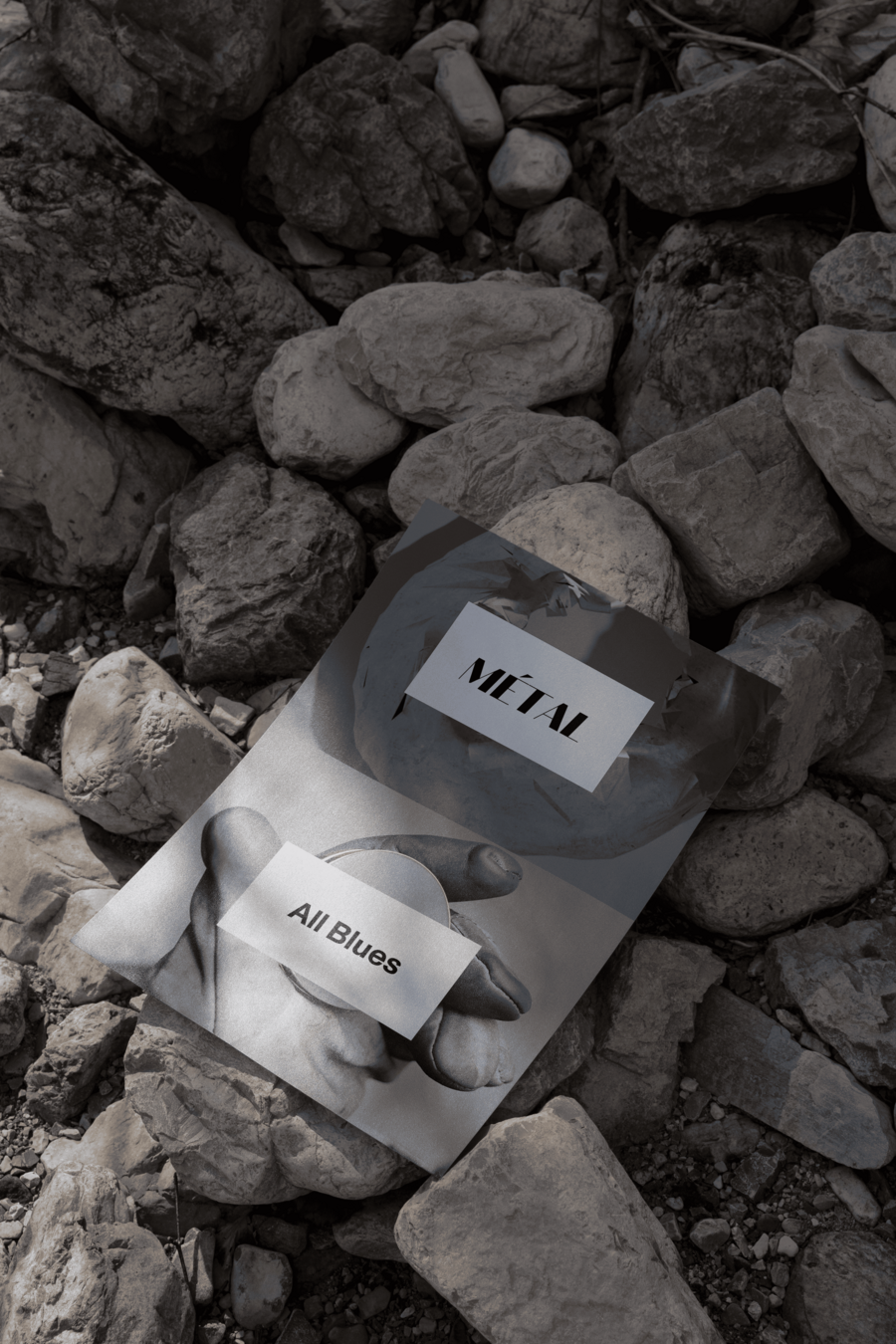
advertising of possible collaborations
Purpose: to build a natural connection between the brand and the viewer — one that feels effortless and intuitive. The message should sound as if it comes from someone who genuinely «gets» the audience, without extra explanations, while the visual presence remains bold, precise and confidently integrated into the rhythm of the city.
postcards
MÉTAL does not ask you to change yourself to fit a style. It suggests the opposite: in a world where communication often assigns roles, rules, and expectations, accessories can remain a self-chosen symbol of expression, free from hierarchies, labels, or permission.
for a professional audience
stickers
MÉTAL is a design-driven accessory brand built as a communication object, not a decorative add-on. Professionals understand that commitment to a brand rarely happens randomly: audiences weigh their expectations, the quality of interaction they receive, how well the brand aligns with their identity group, and whether the overall experience feels fair and justified.
Brand Positioning Logic • Metal is treated as a cultural and psychological signal — a stable identity code that communicates strength without linguistic noise (industrial minimalism as a modern luxury dialect). • We compete not only with jewelry brands, but with identity substitutes — fashion tribes, cultural symbols, lifestyle signals. • Loyalty is achieved when the emotional outcome delivered by the brand exceeds the audience’s internal «comparison benchmark» for self-projection and personal meaning.
MÉTAL Jewelry Assortment
Strategic Communication Architecture
A brand message is engineered with awareness of: • Mutual influence: the wearer and the brand affect each other’s perceived value — core assumption of Interdependence as relational design logic derived from Interdependence Theory. • Fair exchange: customers stay when they feel that their emotional and financial investment receives proportional identity rewards — principle inspired by Equity Theory. • Group-driven self-definition: accessories help individuals signal in-group belonging while maintaining distinctiveness, which follows the cognitive mechanism of Social Identity Theory and archetypal mapping through Explorer Archetype and Rebel Archetype.
Communication System • Outcome Engineering (brand delivers: emotional value + social distinction — lifestyle friction) • Expectation Benchmarking (brand monitors CL of audience via polls, comments, content behavior) • Alternatives Awareness (brand competes with substitute identity symbols, not only jewelry brands)
MÉTAL Jewelry Assortment
Why Our Communication Works in Design • The brand uses a non-instructional tone in content — it does not teach how to look, it provides decoding comfort, reducing cognitive load. • Messaging choices are deliberate identity triggers: inclusivity counters social hierarchy stress, durability counters relational cost perception, personalization increases emotional input, minimizing inequity distress. • Visual salience is treated as a persuasion alternative to words — a professional designer recognizes that symbolism often predicts connection faster than rational argument.
MÉTAL Website — Hero Screen
Channel Strategy • Telegram — ecosystem for direct exchange relationships, audience data collection, and support automation through bot mechanics. • YouTube — heuristic leadership communication (interviews, expert storytelling, educational micro-content). • OOH Media — spatial identity activation near lifestyle-based audience gatherings in real urban environments. • Collaborations operate as cross-identity borrowing systems, increasing attitudinal similarity with adjacent industries and cultural groups.
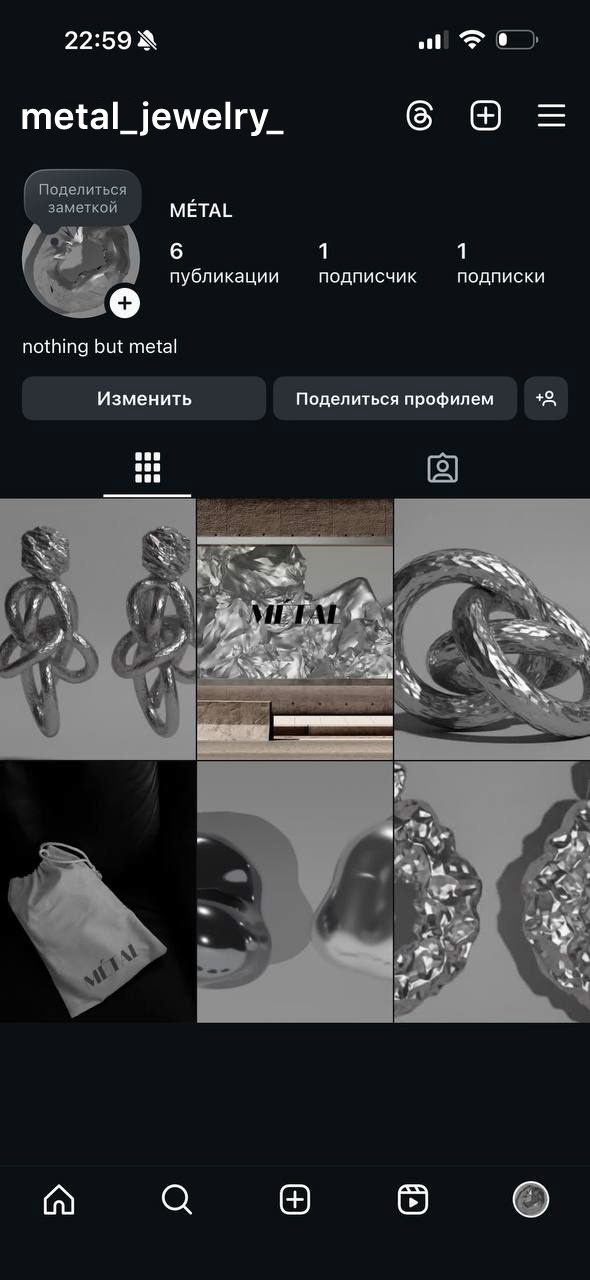
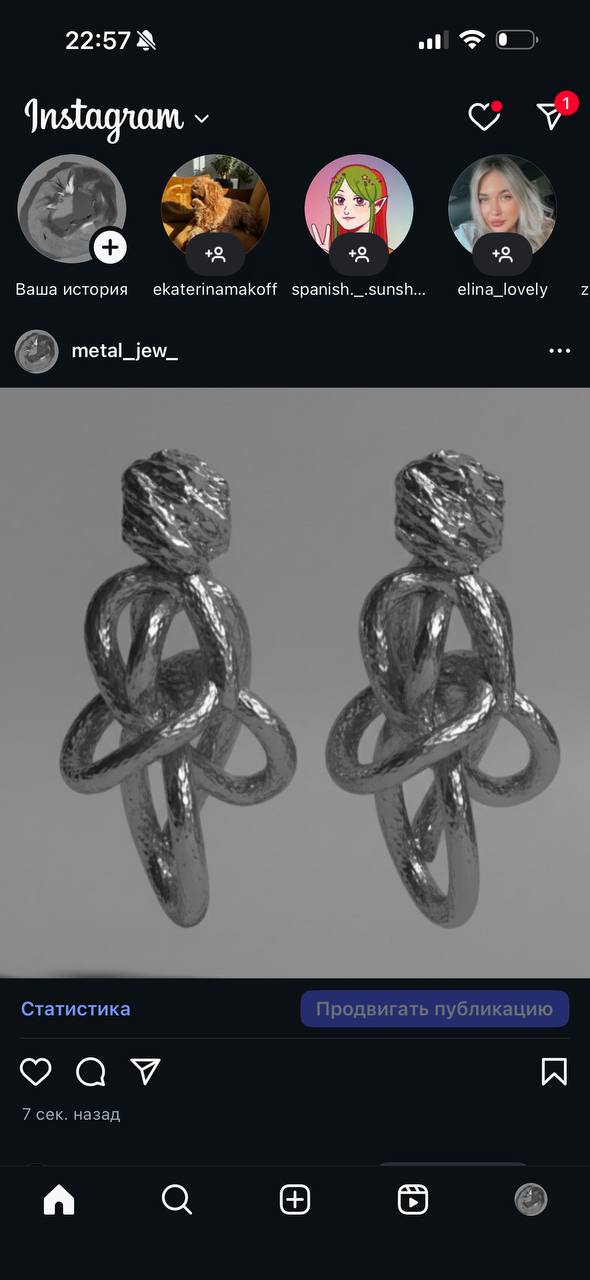
Instagram is a social network banned in Russia
MÉTAL designs connection and not simply creates objects. The product communicates because the system behind it reacts first.
A brand survives when communication becomes an equally-balanced and exchange system works as one unit, therefore enhances social distinction.

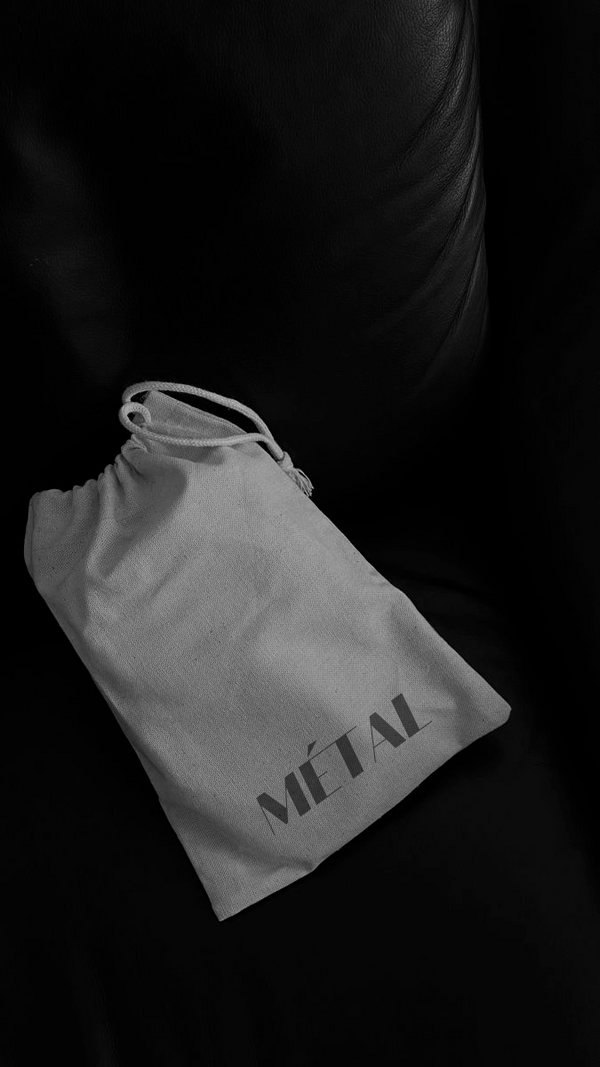
gift box/ anther
Expected Professional Outcome • 3% brand awareness growth target by April 2026 used as a measurable benchmark of communication reach and identity penetration. • Expansion through influencers is treated as source similarity engineering, reinforcing social comparison and group-anchored trust.
MÉTAL Brand Textures
moodboard for social media management