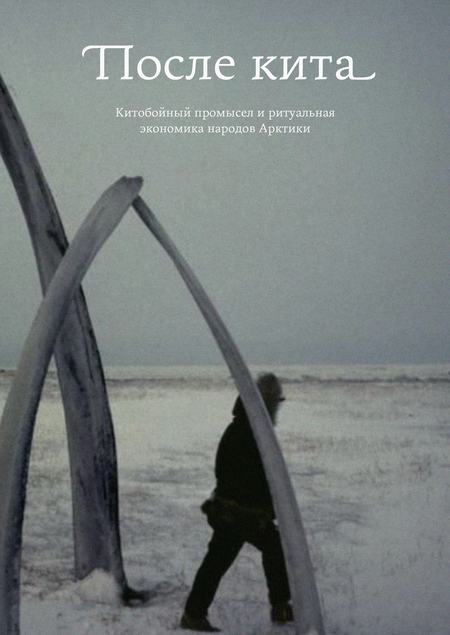
«После кита» исследует, как китобойный промысел народов севера формирует системы взаимности, которые радикально отличаются от капиталистической логики
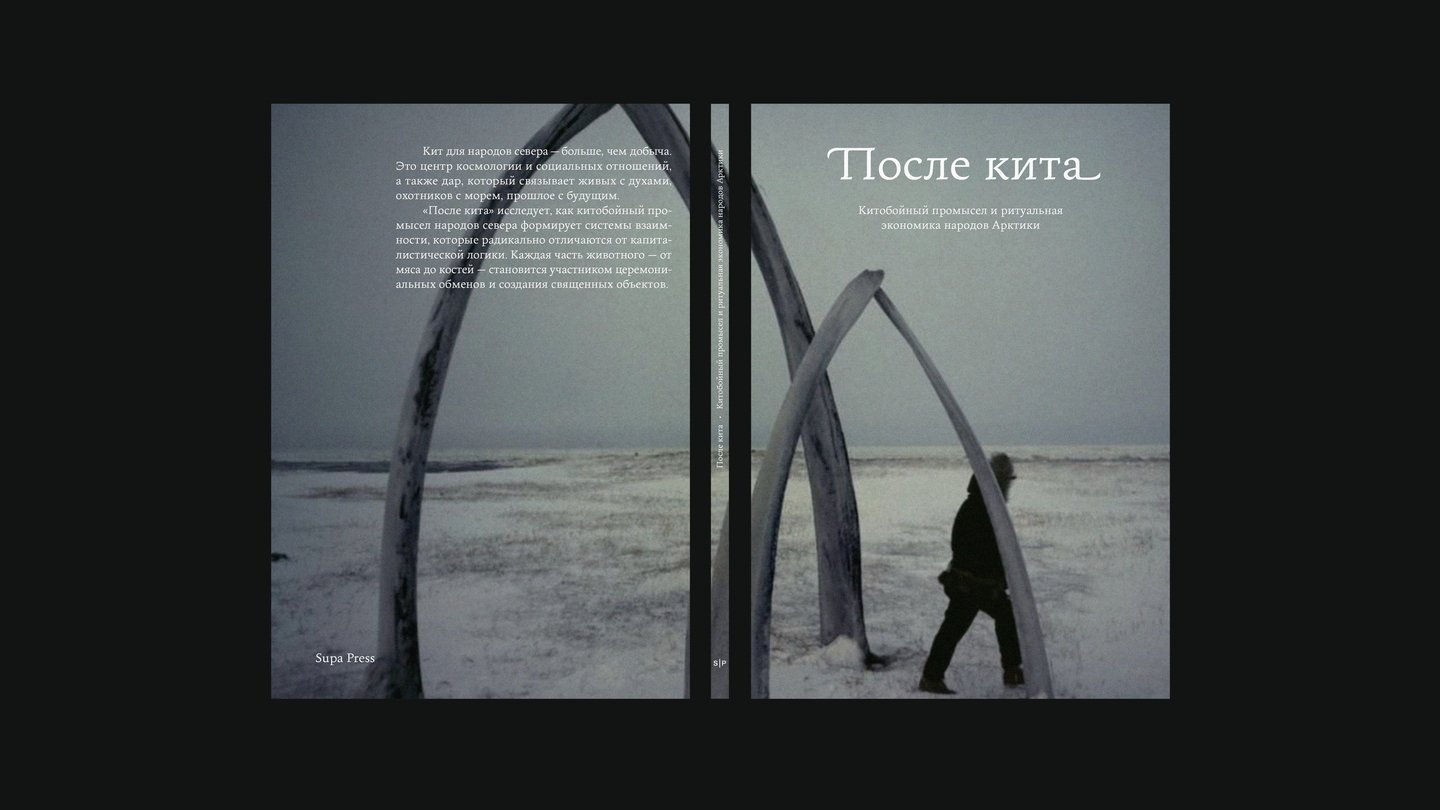
Формат: 140 × 200 мм.
Издание посвящёно китобойному промыслу северных народов Арктики и и их культурным обычаям. В обычаях инуитов, юпиков и прибрежных народов Чукотки кит занимает особое положение: он воспринимается не просто как источник пищи и выживания, а как одушевлённый агент, вступающий с человеком в отношения обмена и договора
Охота на кита предполагает соблюдение строгих этических и ритуальных норм. Добыча не завершает жизненный цикл животного, а переводит его в иное состояние.
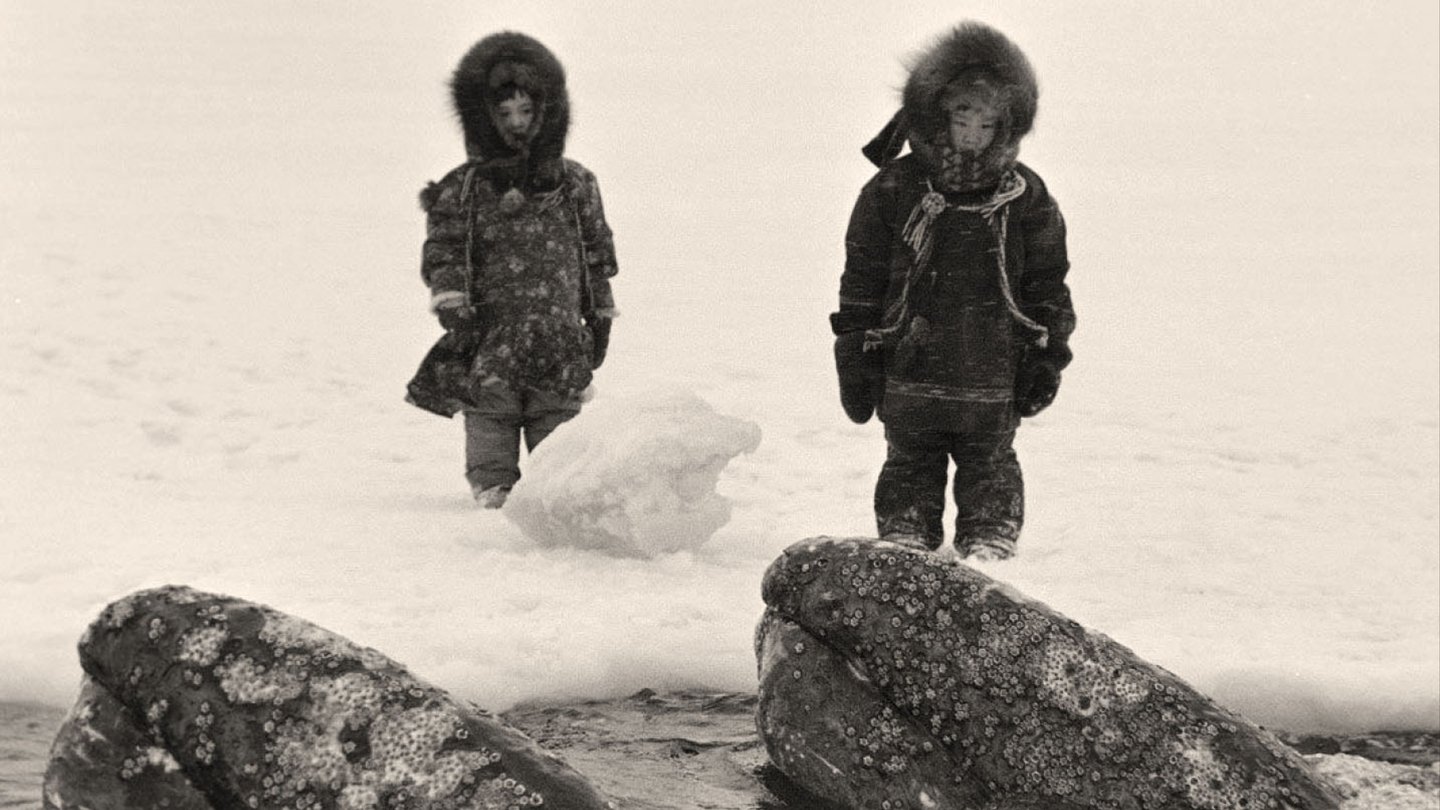
Освободительная операция трех серых кита, застрявших во льдах у берегов Аляски, 1988
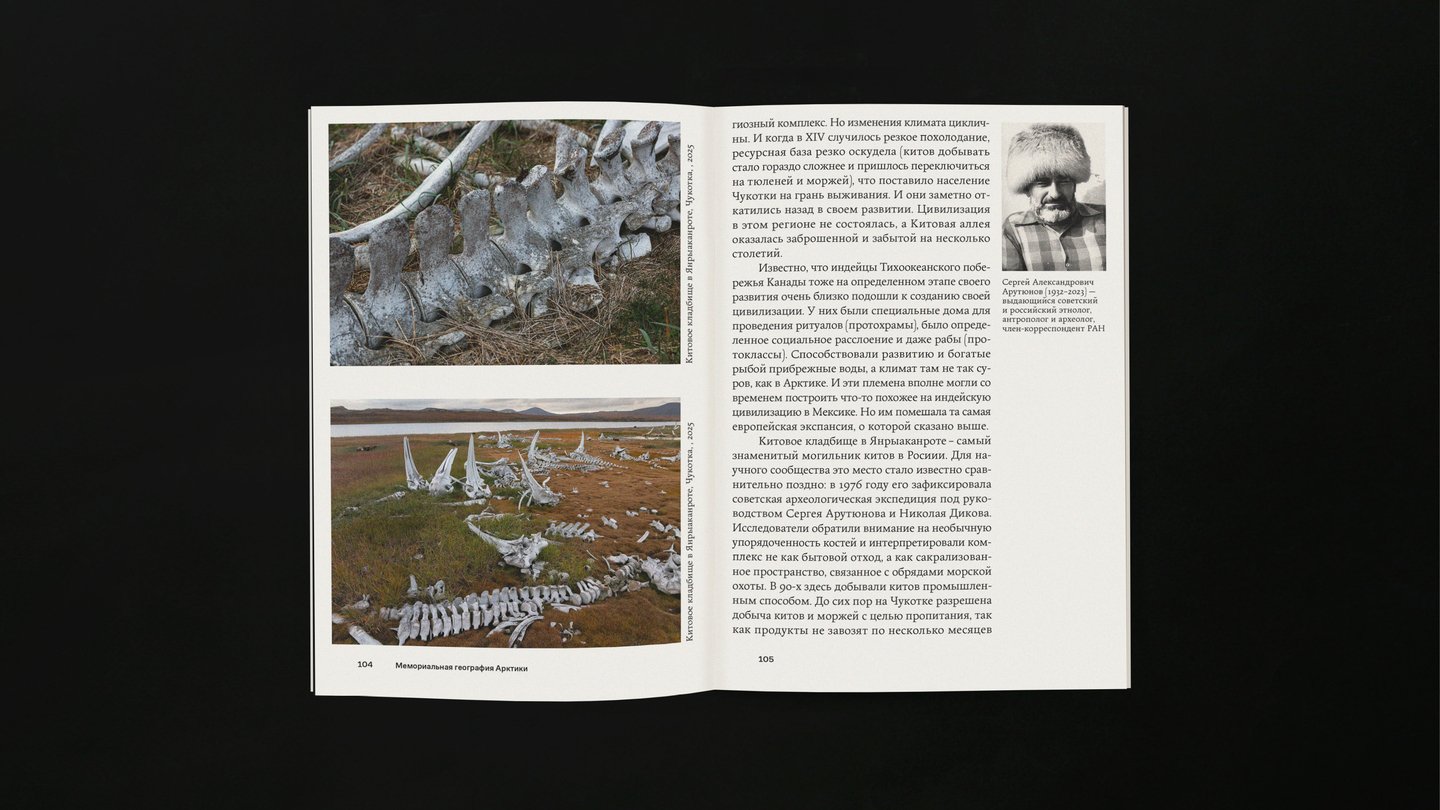
Шмуцтитул, отбивает главы в издании парой тематических фото
Система сносок на полях отсылает на на исследователя (или исследования), упоминающегося в основной линии повествования
Крупные сноски, дополняющие прочтение, разворачивают контекст основной линии повествования, применимы к основной полосе набора и изображениям
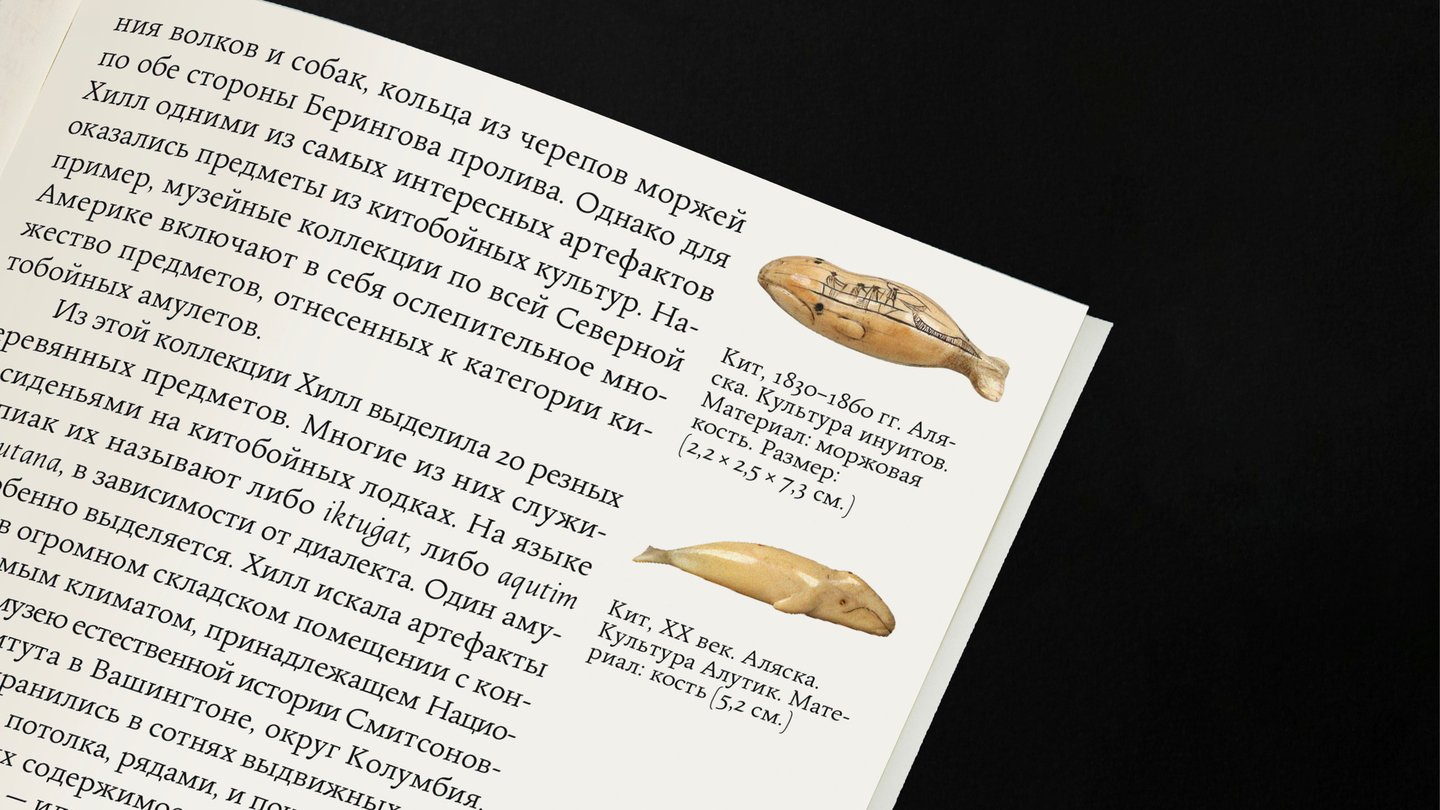
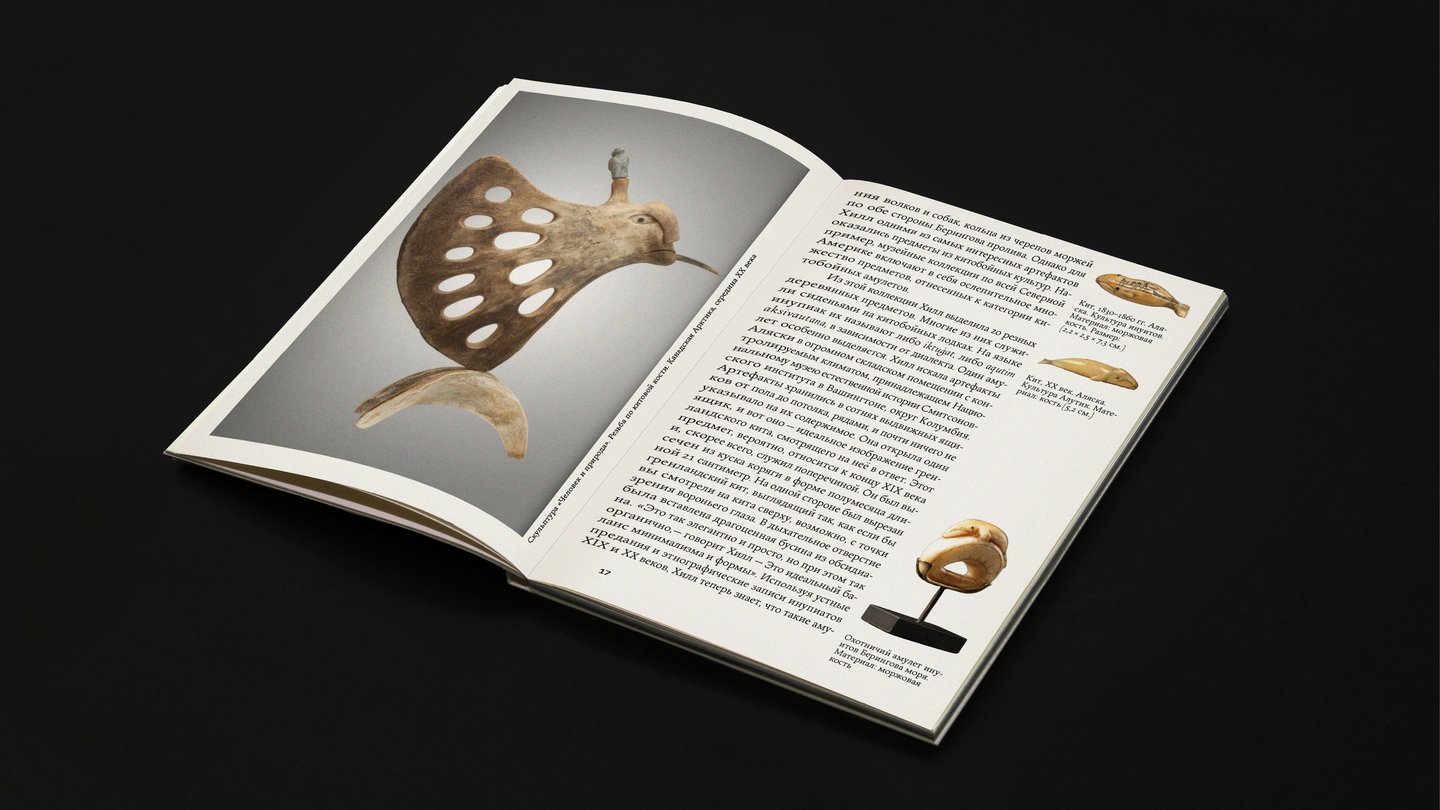
Интервью с бывшим гарпунёром китобойной команды Барроу (Аляска, США) — Джо Тауксджиа
Проект «Люди кита» фотографа Килийа Юяна (2018 — наше время) Слева — Бернадетт Адамс, первая женщина-гарпунёр, справа — старейшина инупиатского племени Фостер Симмондс
Раздел китового мяса и жира регулируется традициями инупиаков и строго соблюдается китобойными командами
Проект «Люди кита» фотографа Килийа Юяна (2018 — наше время)
Проект «Люди кита» фотографа Килийа Юяна (2018 — наше время) Слева — 16-летний Югу Нингеок, член китобойной команды инупиаков, справа — Томас Кингосак, член команды Югу
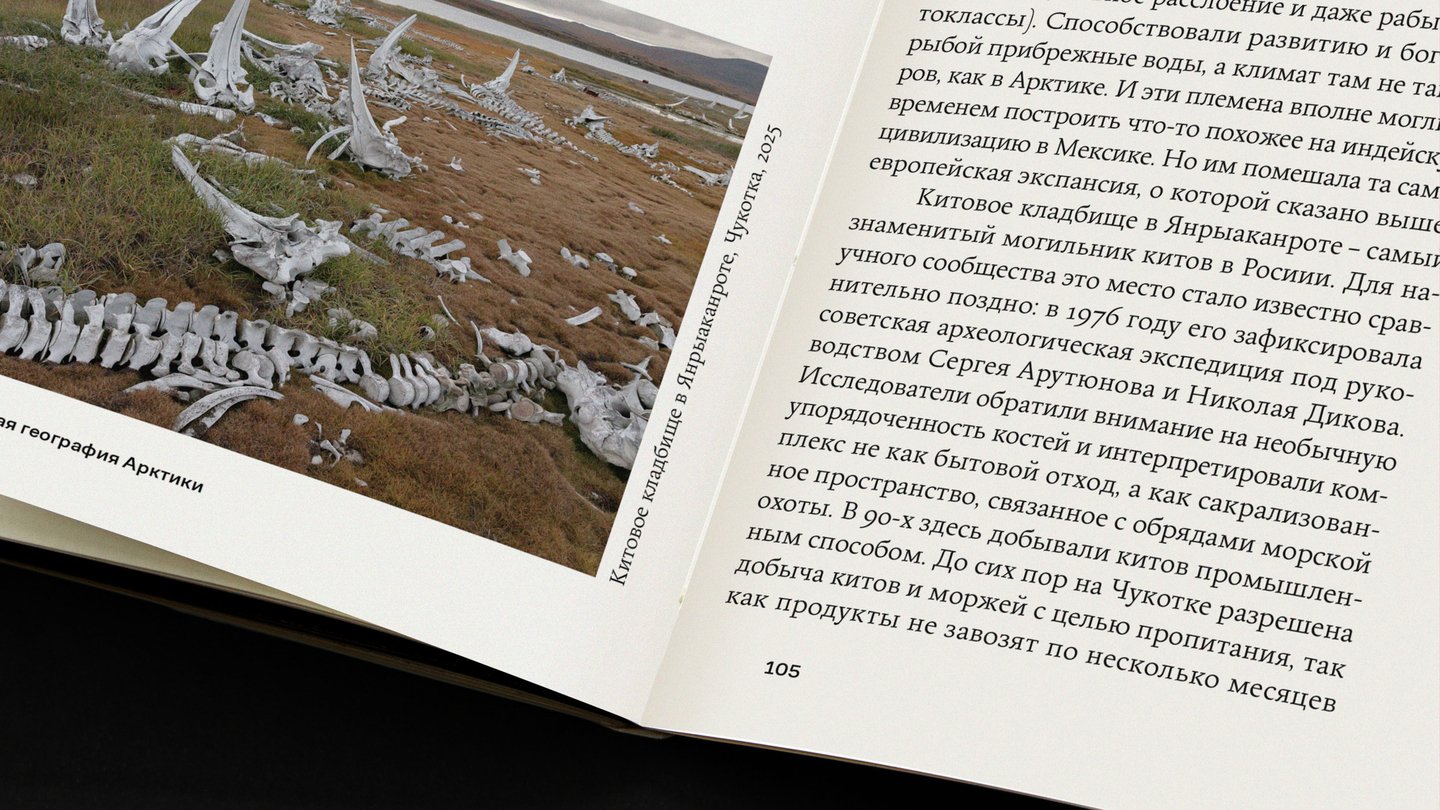
Интервью с председателем общины чукотского морзверобоя — Игорем Макортиком
Формат: 200 × 140 мм Бумага: Ozon Ivory / Ozon New 112 страниц
Выражаю благодарность за кураторство Дворянкиной Оксане, а также Скворцову Виктору за печать, переплет издания и предоставление шрифта Supa Rivalité