Сценография будущего: наследие Александры Экстер
Центральный выставочный зал «Манеж» в Москве — один из ключевых памятников столичной архитектуры начала XIX века. Построенный в 1817 году по проекту Августина Бетанкура как инженерное сооружение военного назначения, Манеж представляет собой уникальное пространство с протяжённым фасадом и монументальным ритмом, изначально рассчитанным на восприятие с большого расстояния. Лаконичность и масштаб здания, его строгая симметрия и нейтральность пластики сделали Манеж универсальной архитектурной оболочкой, способной вступать в диалог с различными выставочными сценариями, не теряя собственной идентичности.
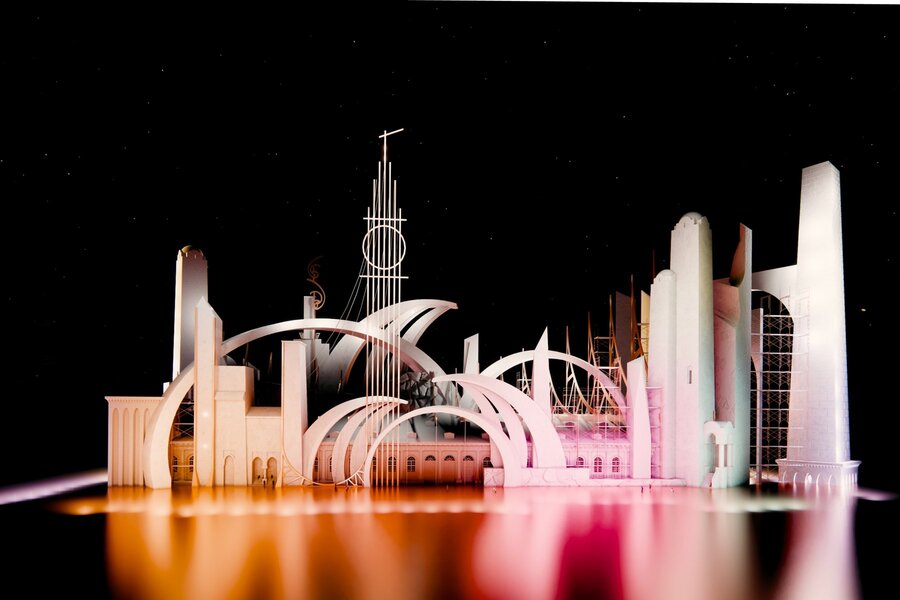
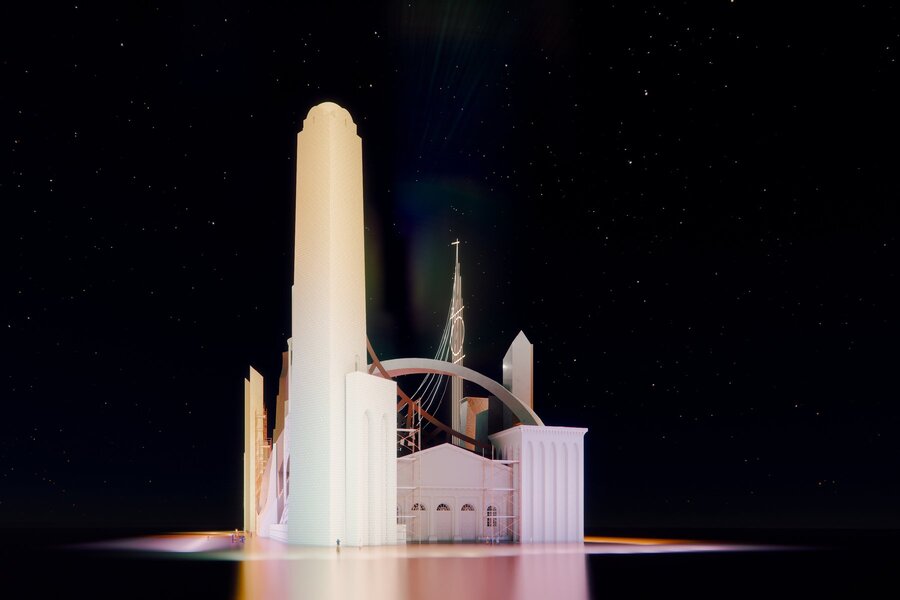
Выставочный проект «Сценография будущего: наследие Александры Экстер» посвящён одной из ключевых фигур русского и мирового авангарда XX века. Александра Экстер работала на стыке живописи, архитектуры, театра и кино, формируя новый язык пространственного мышления. Особое внимание в проекте уделено её сценографическим работам к фильму Якова Протазанова «Аэлита» (1924), где архитектура Марса предстает как утопическое конструктивистское пространство, собранное из различных геометрических форм, ритмов и цветовых акцентов.
Аэлита

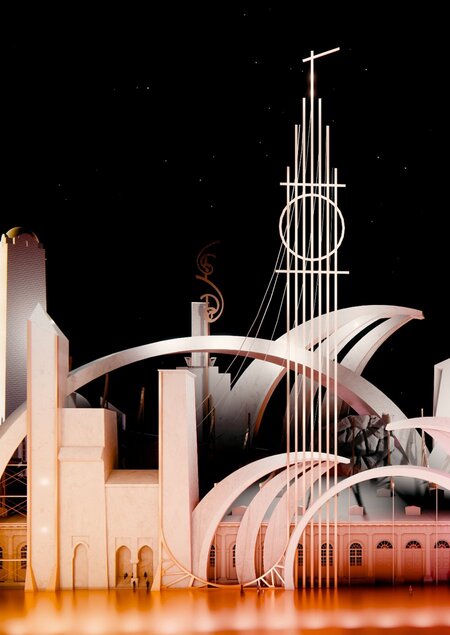
Добро пожаловать в мир советского авангарда, где кино становится архитектурной утопией! Сегодня мы рассмотрим сценографический фасад, вдохновленный культовым фильмом «Аэлита» (1924) — первым в истории советским научно-фантастическим кино.
(Реклама фильма «Аэлита» 1924 год)

Вырезка из журнала «Зрелища» Nº 83-84 1924 год
Этот фильм — не просто экранизация одноименного романа алексея толстого, а настоящее художественное видение космического будущего в духе конструктивизма. Режиссер Яков Протазанов создал не только историю о революции на марсе, но и визуальный феномен.
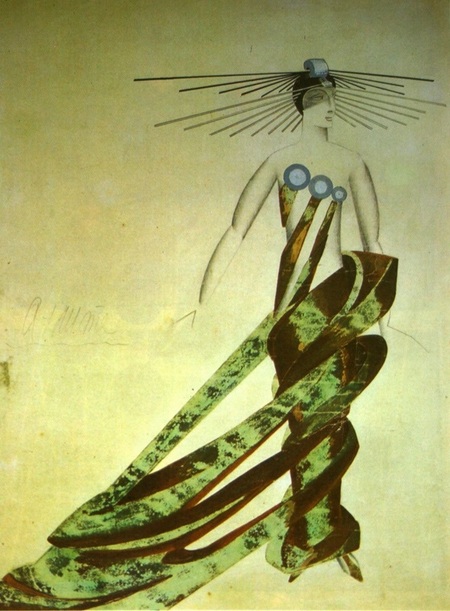
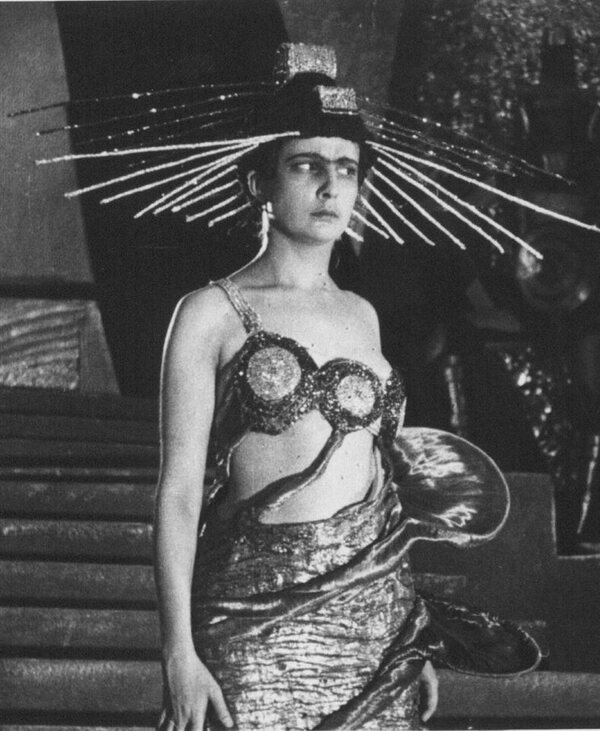
Аэлита эскиз и кадр из фильма «Аэлита» 1924 год
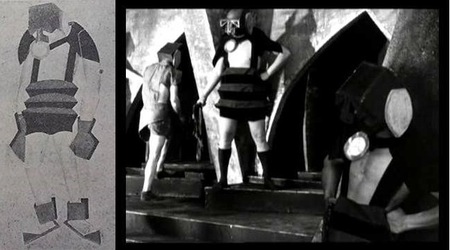
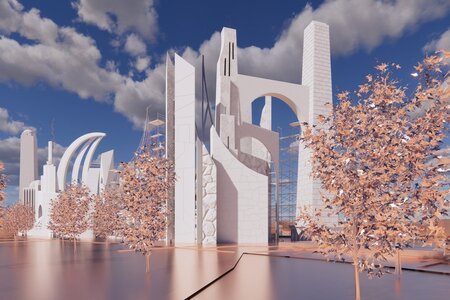
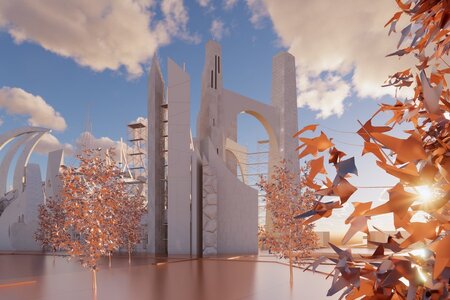
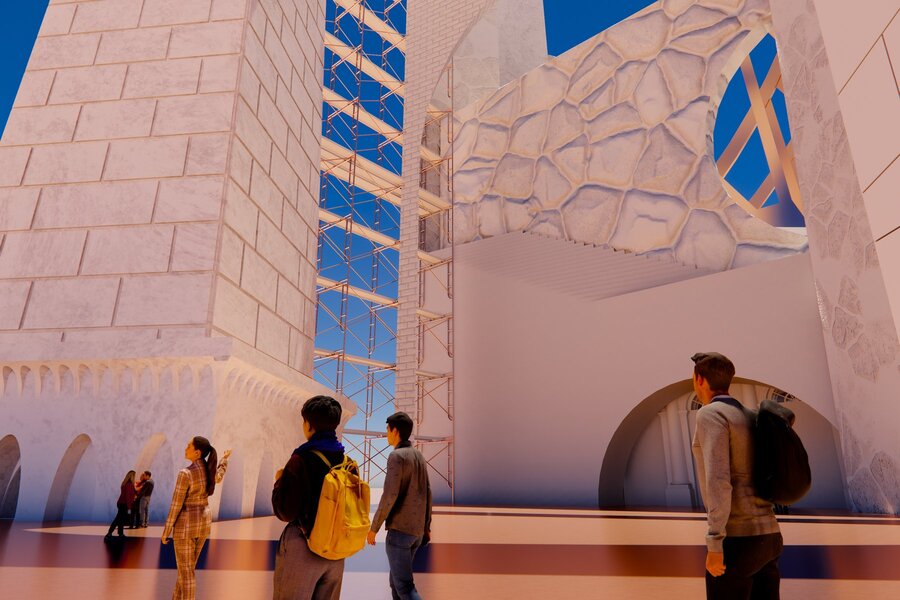
Влияние Экстер на «Аэлиту» нельзя недооценивать. Её работа стала ключевым вкладом в формирование эстетики киноавангарда и повлияла на дальнейшее развитие научно-фантастического жанра. Именно она разработала потрясающие декорации и костюмы, превратив марс в геометрическую симфонию кубов, лестниц и арок. Ее стиль — это слияние архитектуры и живописи, что отчетливо прослеживается в фасаде, что был вдохновлен её уникальным дизайном.
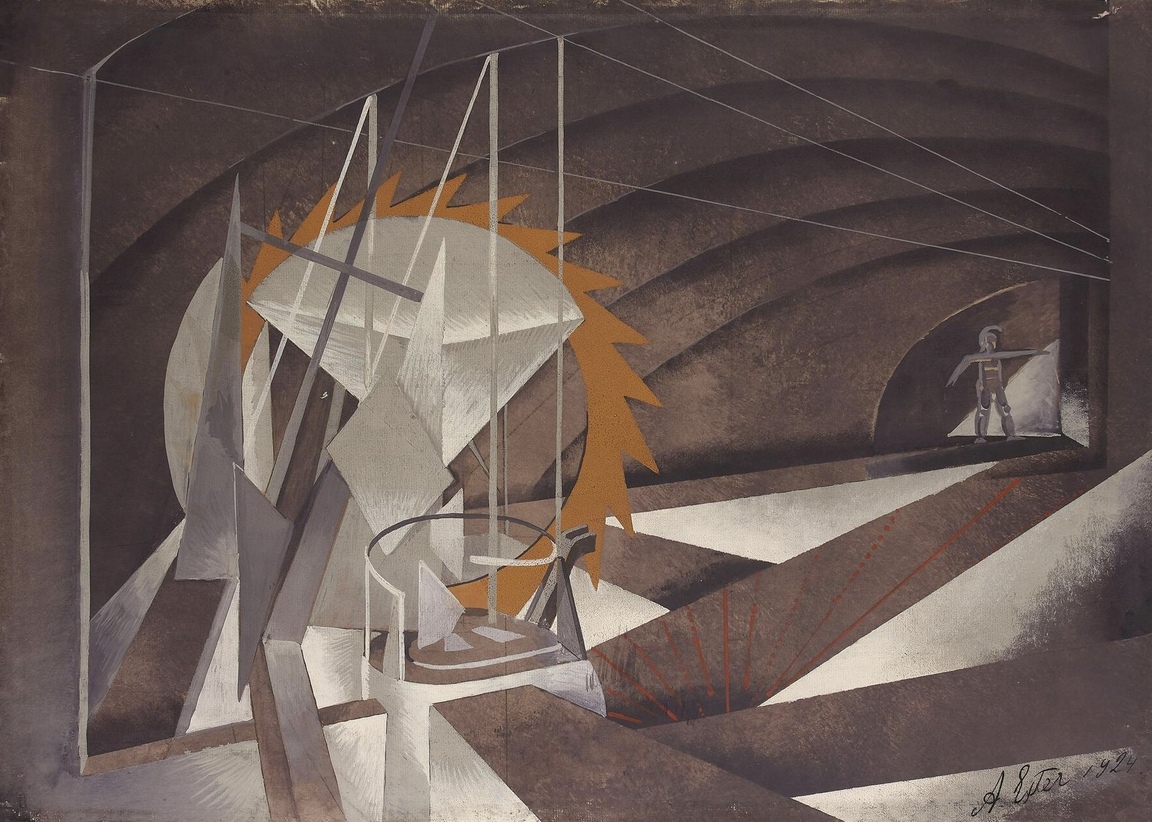
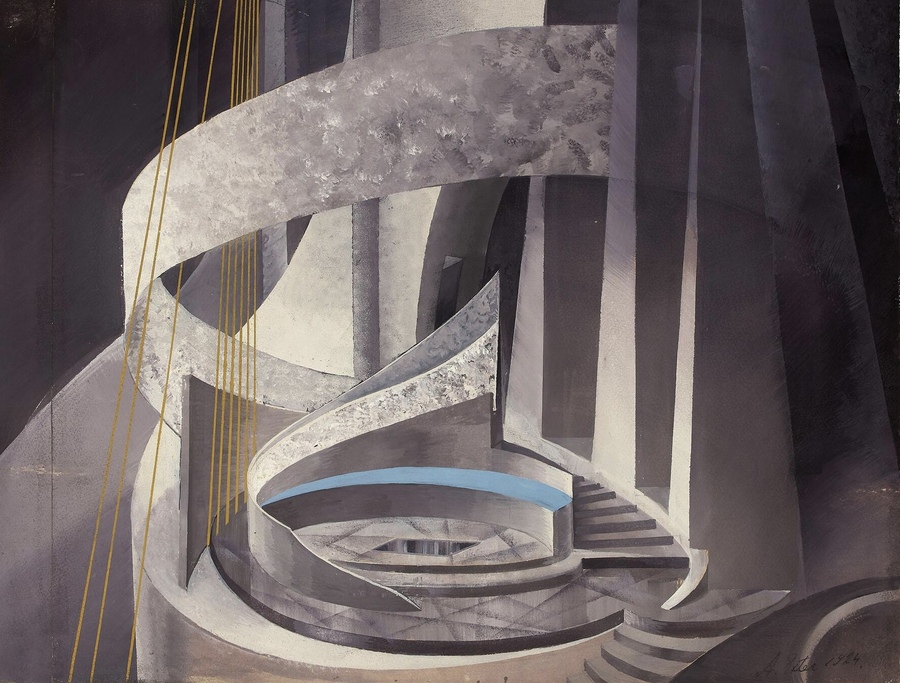
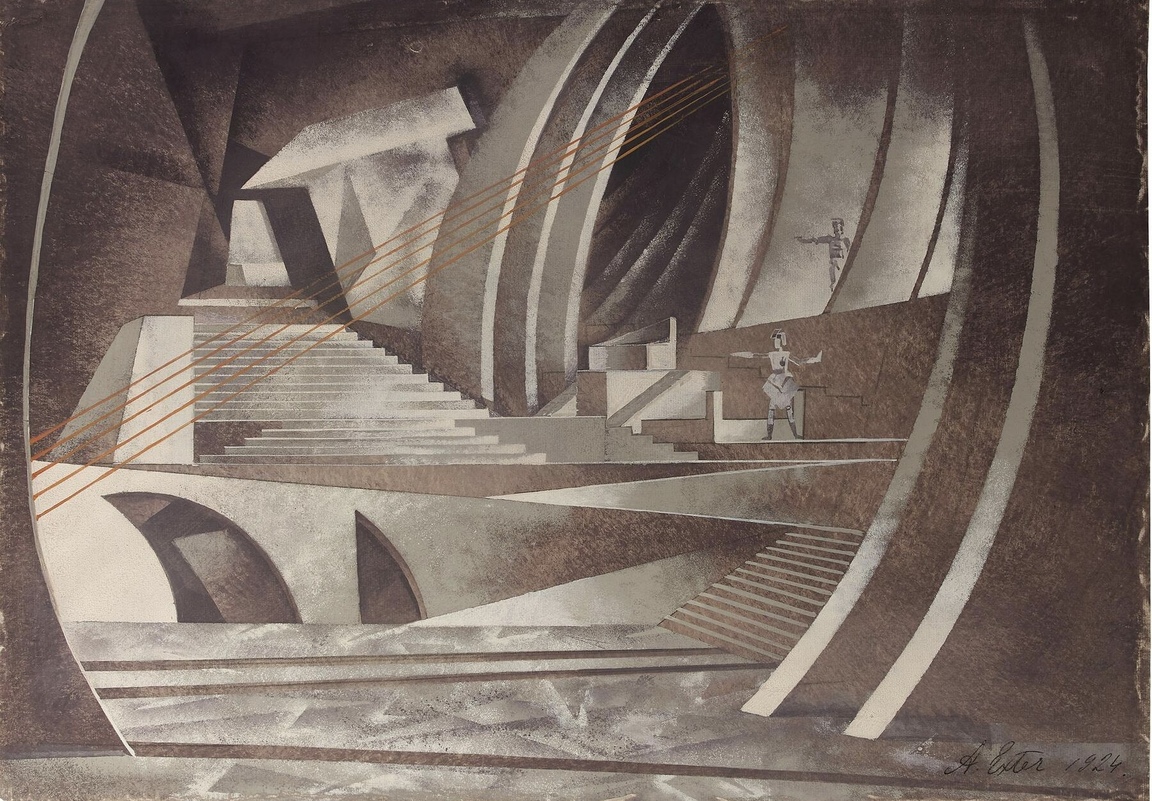
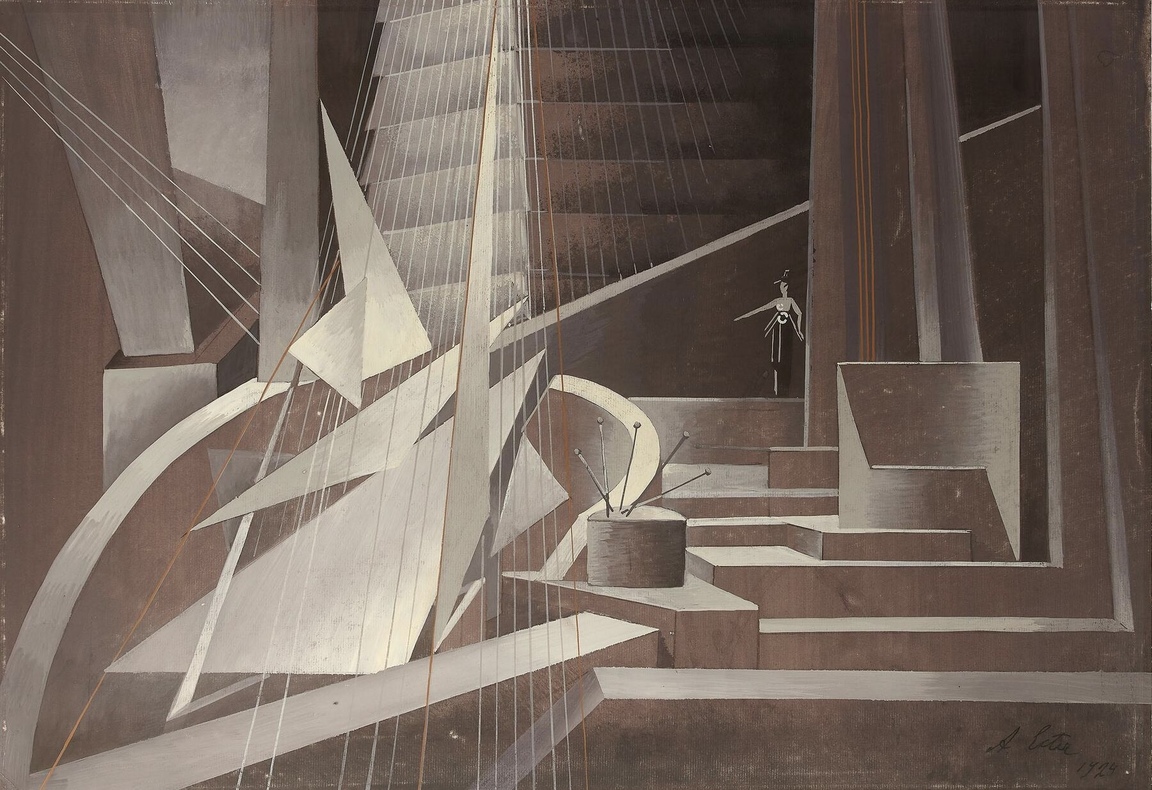
Эскизы декораций Марса
Референс для архитектурного фасада
Ортогональные проекции
Изометрия
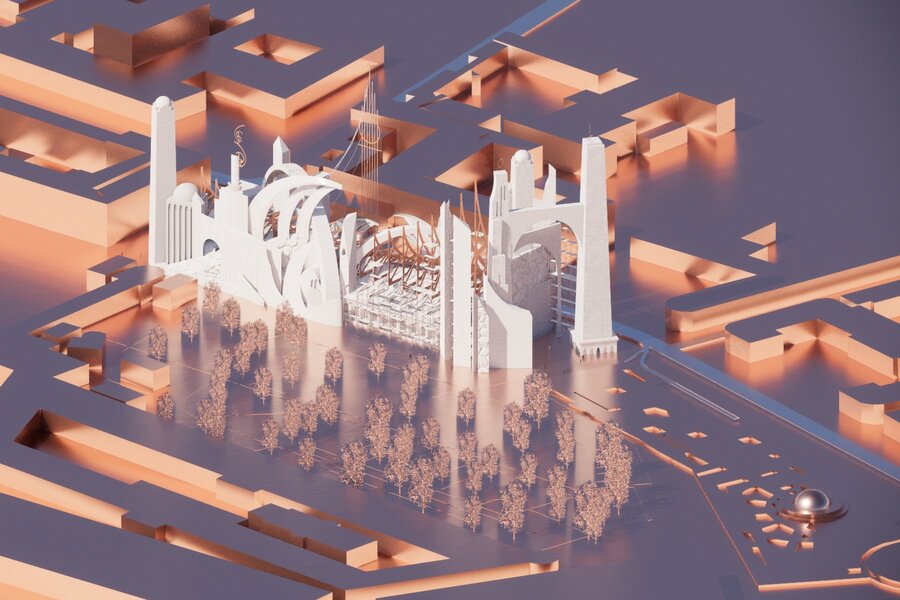
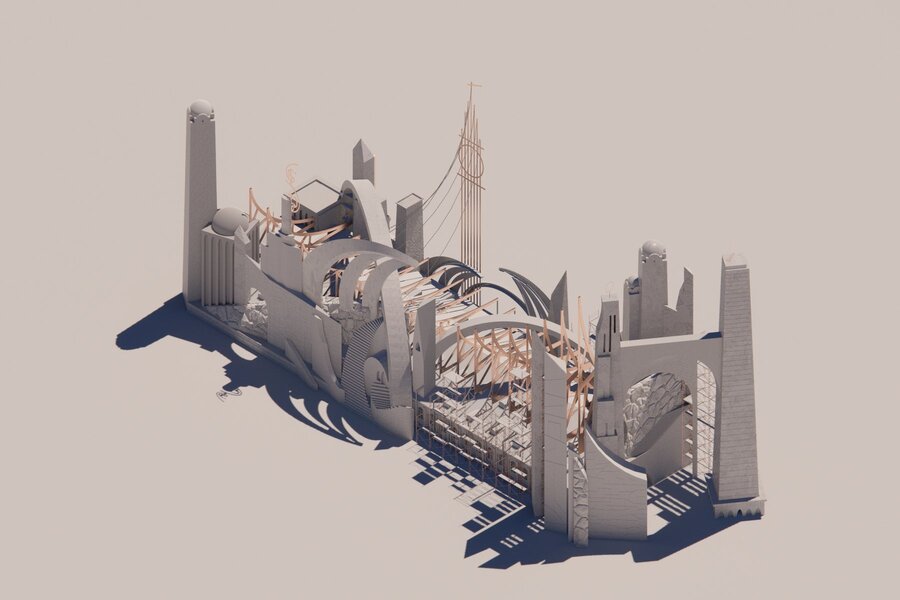
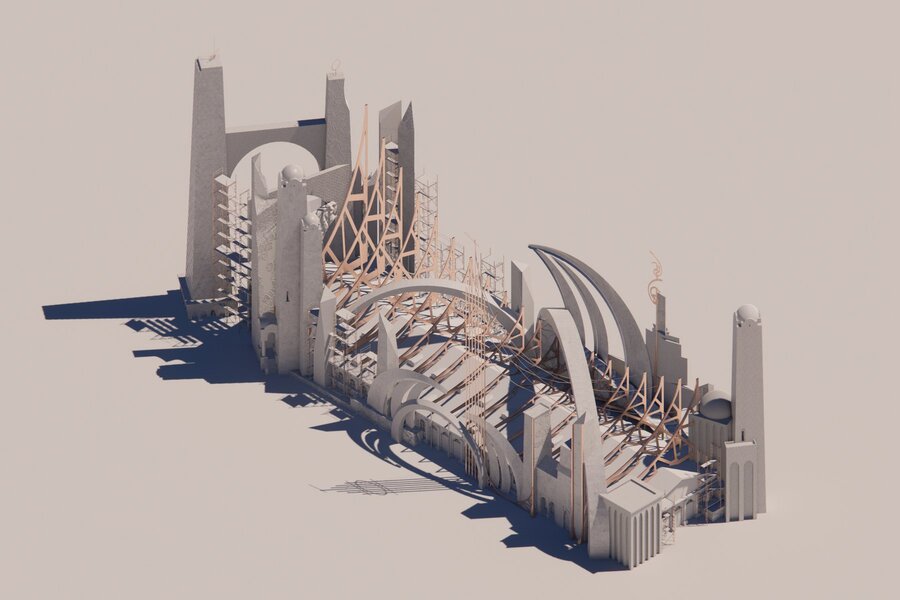
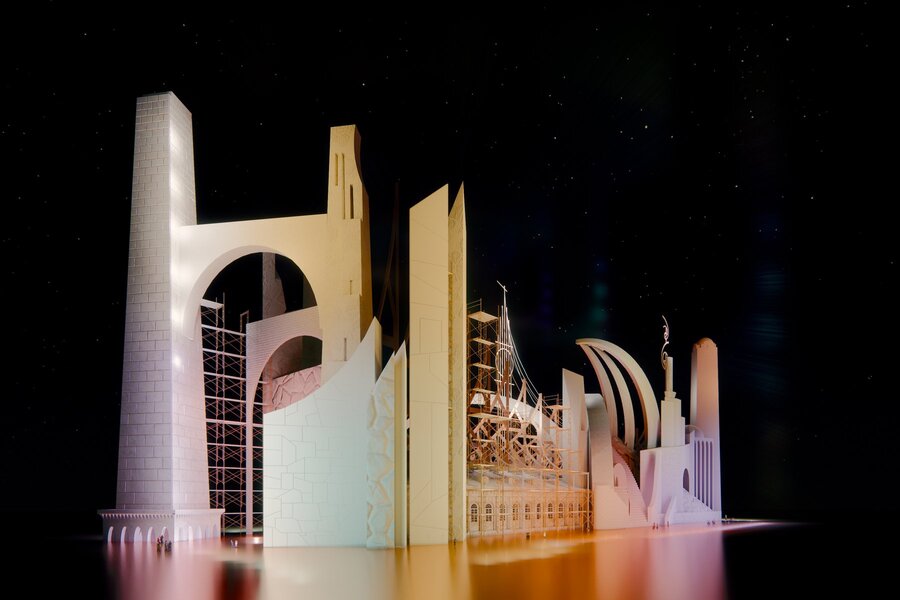
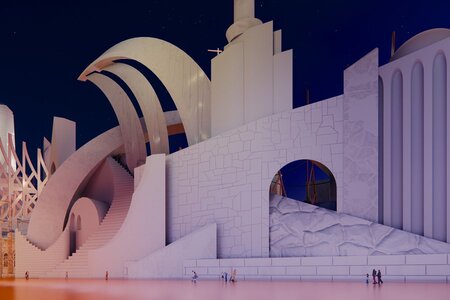
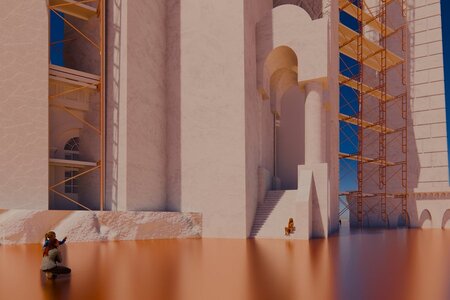
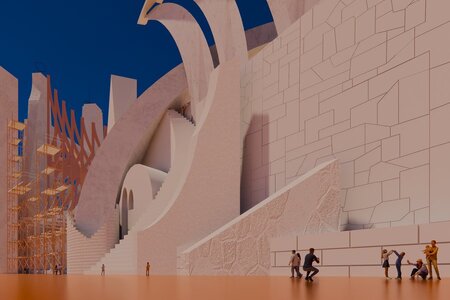
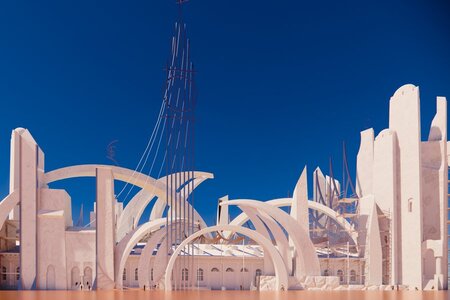
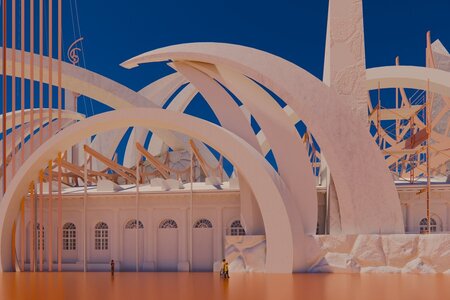
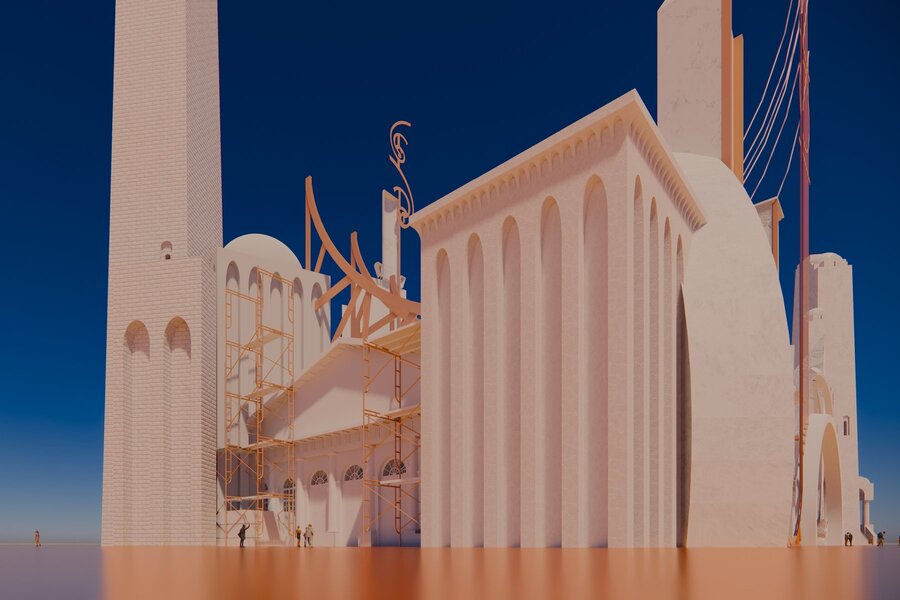
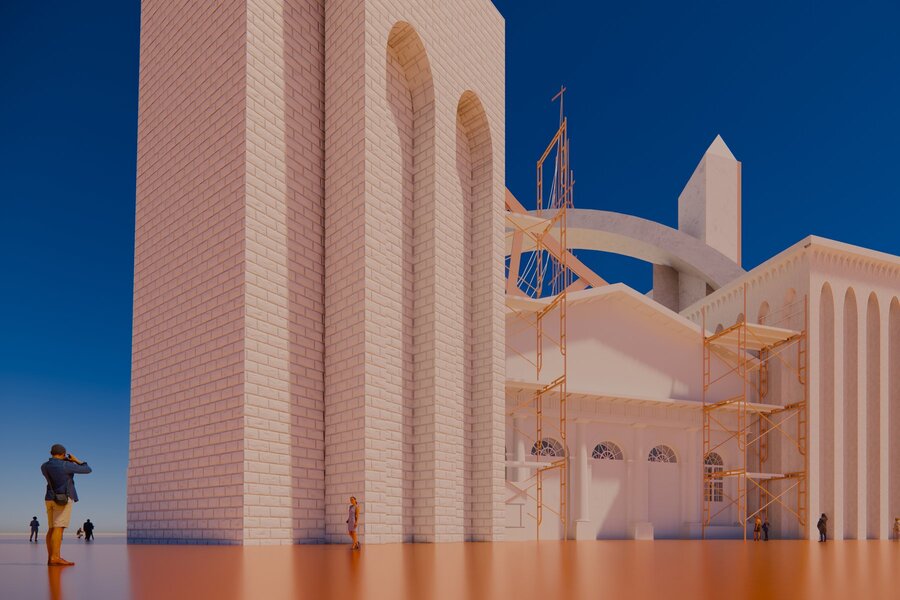
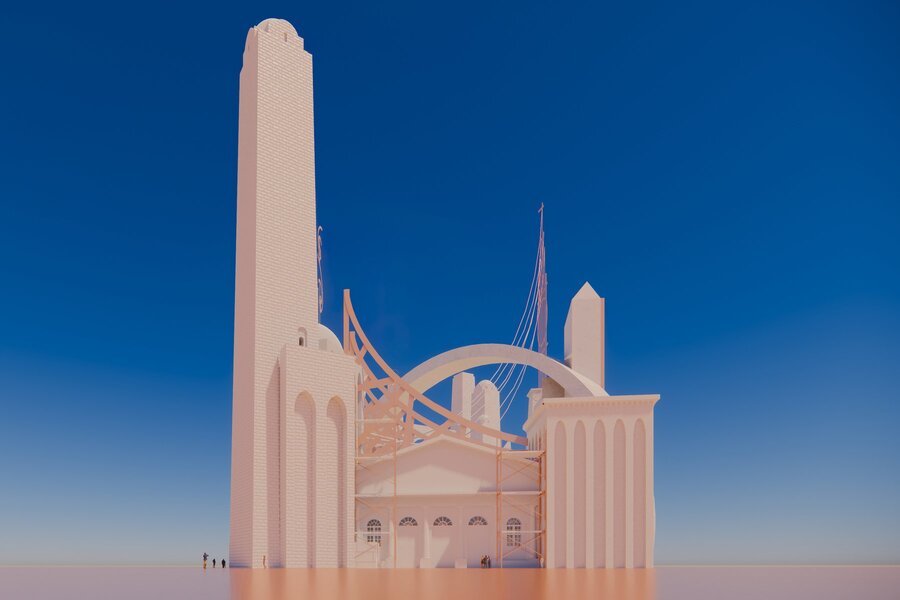
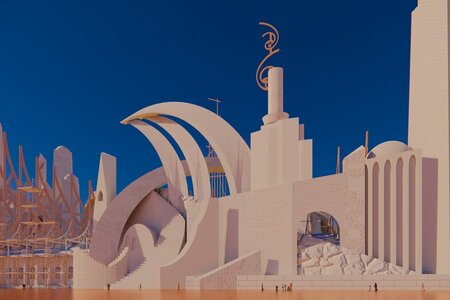
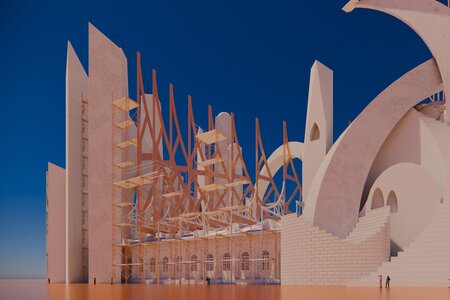
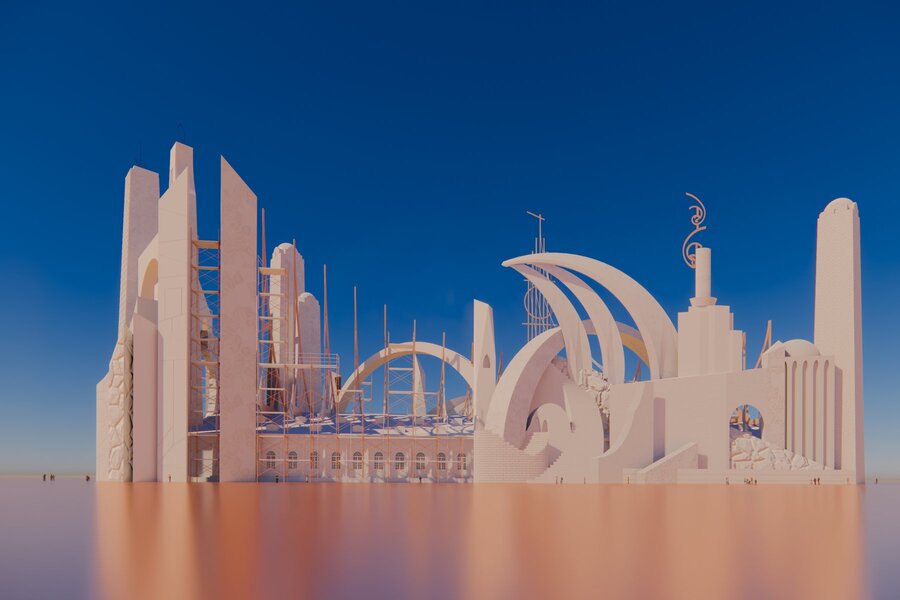
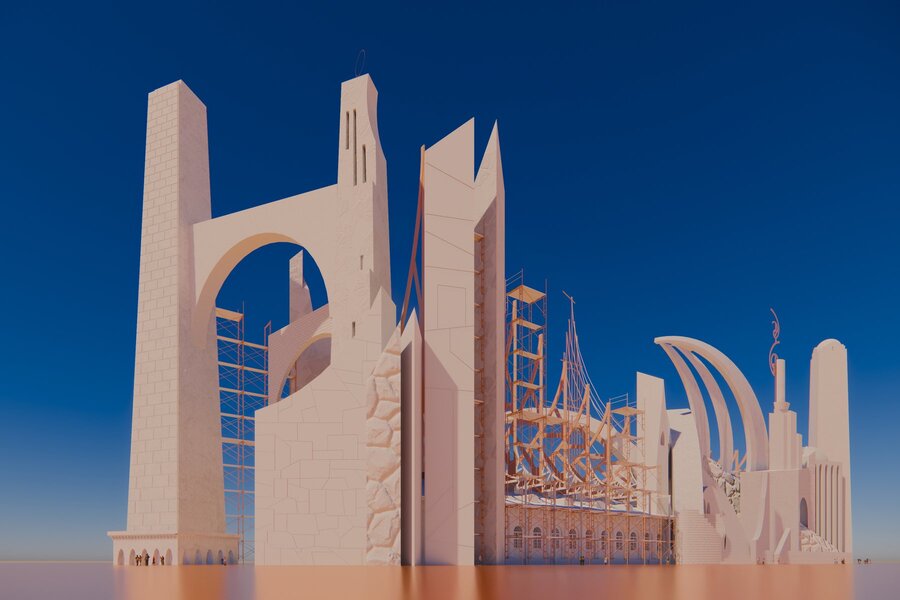
Визуализации (дневные)
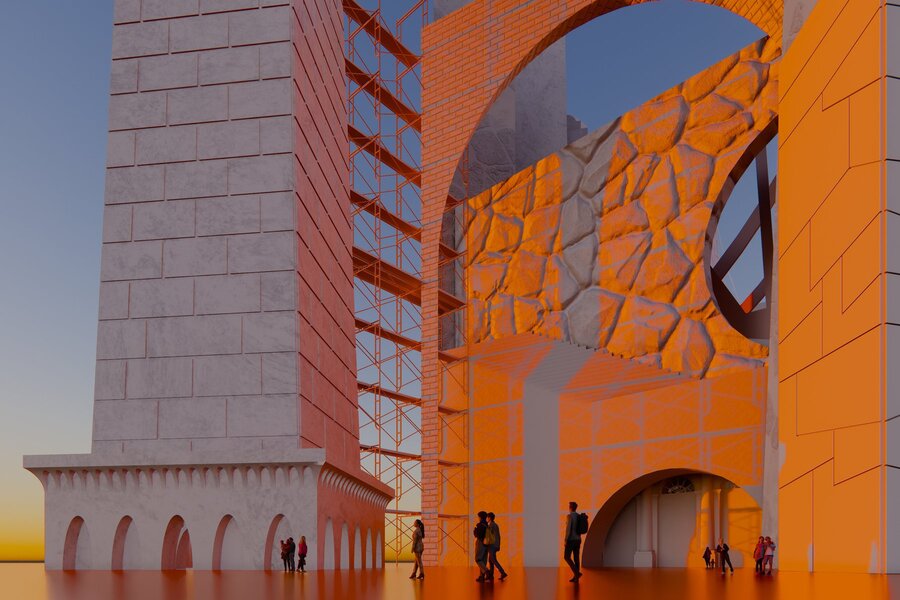
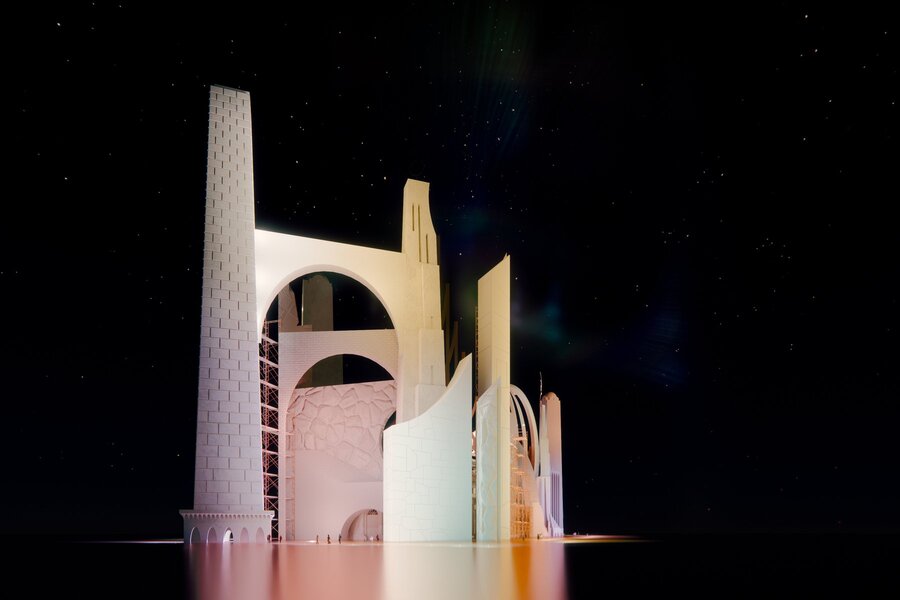
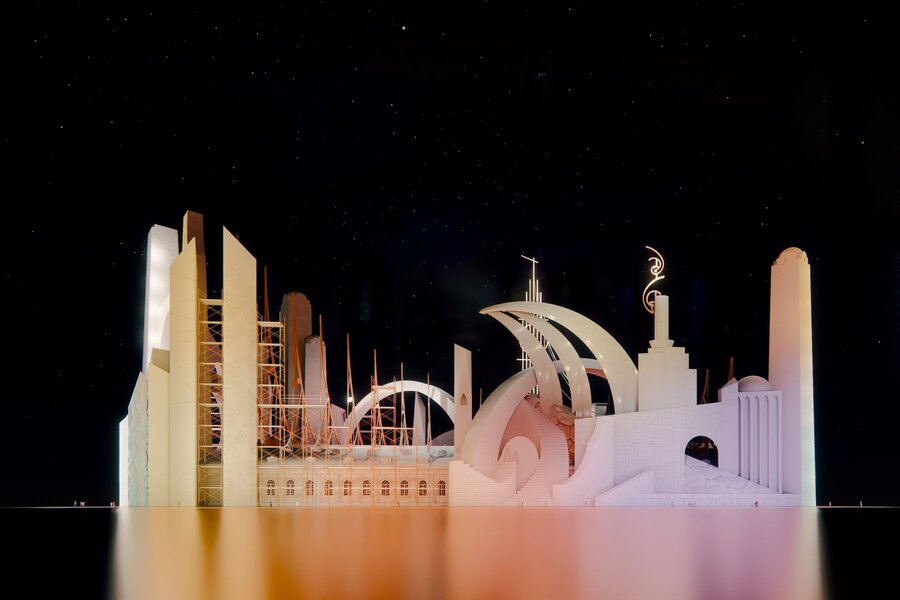
Визуализации (ночные)